How CaseLink works:
Identify a card, keep it organized and connect what happens to it next.

One card
Add, list, sell
Add and sell on your phone. Listing is done on the web, shown right below.
Add the card
Sell it
See the number


List it on the web
Between adding and selling: one sheet in the web workspace puts the card on your Storefront and on eBay.
- Three steps, on the webPick the item, choose channels and price, review. The phone app has no listing button; it shows the result.
- One title for bothBuilt from year, set, player, number and grade, and yours to edit. eBay allows 80 characters.
- What you keep, per channelAn estimate after the channel’s fee and shipping, before the card’s cost. CaseLink takes no sales fee.
- One button, two listingsBoth listings hang on the one card record. On the phone its rows Storefront and eBay then read Active.
Identify, organize, connect
Dealer or collector, every card goes the same way.
Identify it
Scan the slab, search player or set, or type a PSA, BGS, SGC or CGC cert. You confirm card and grade.
Keep it organized
Cost, asking price, quantity and storage spot sit on the card. A Vault card stays private.
Connect what comes next
Dealers list it, pack it for a show and sell it. Collectors watch its value or offer it to a dealer. Each step writes back to the same card.
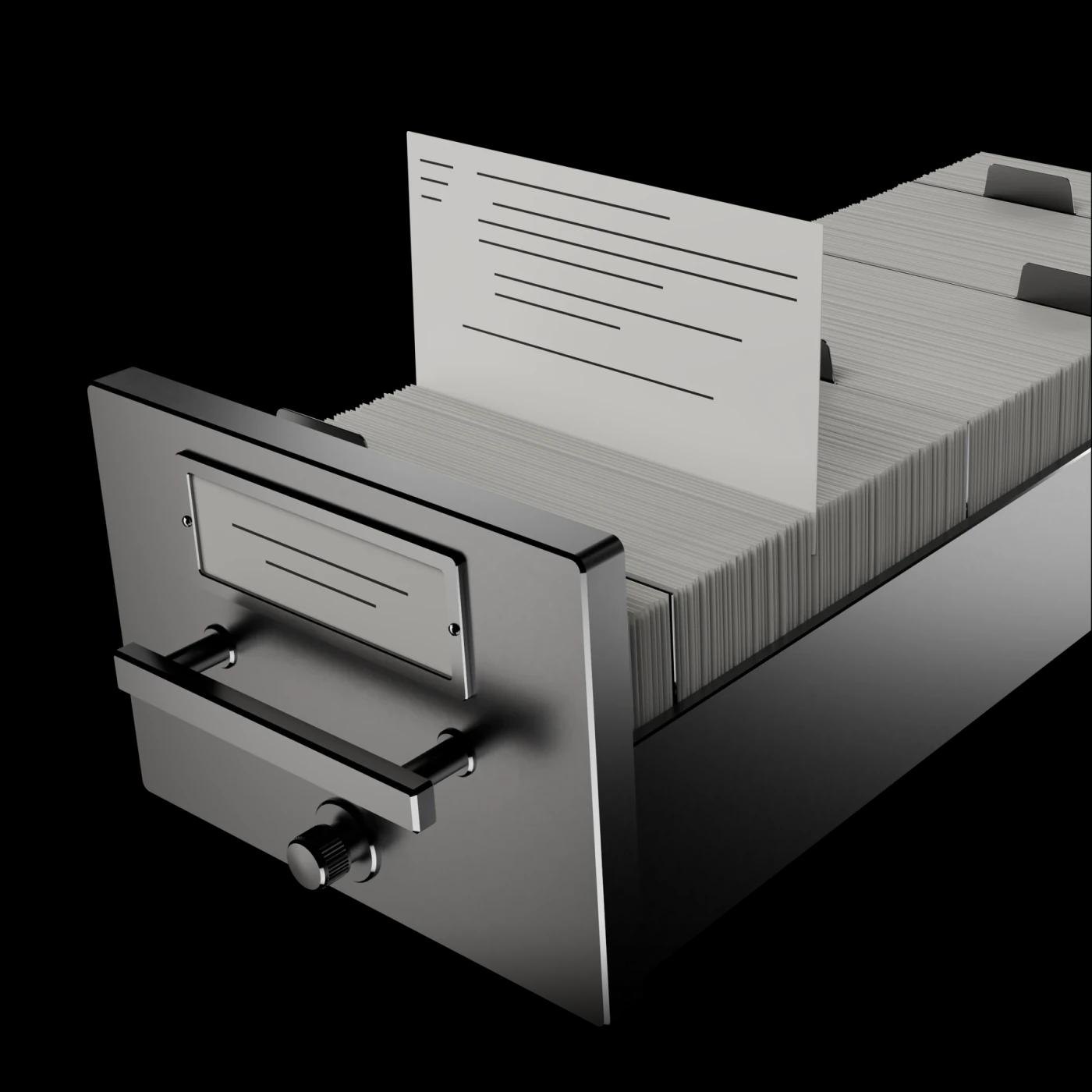
One card, one history.
From the first scan to the sale, each step stays linked to the card.
Joe Burrow, from scan to sale
The card from the top of the page, with its numbers.
Monday
Scanned in
2020 Optic Downtown, PSA 10, read off the slab. Cost recorded: $3,150.
Monday
Priced from its sales
Newest sale of the same card in PSA 10: $4,392. That becomes the ask.
Tuesday
Listed twice
Storefront and eBay, one card record behind both listings.
Saturday
Sold at the table
$4,392 recorded, both listings come down and +$1,242 margin lands in the month.
Tom Brady, from scan to offer
A collector’s card goes the same way, up to the offers.
Monday
Scanned in
2000 Bowman Chrome #236, PSA 10, read off the slab.
Monday
Kept in the Vault
This copy gets its own record. It stays private until you share it.
Tuesday
Value watched
Market value $20,740, from the newest sale of the same card in PSA 10.
Wednesday
Offered to dealers
Shared with three dealers you chose. The best offer on Deals: $19,500 from Trackside Slabs.
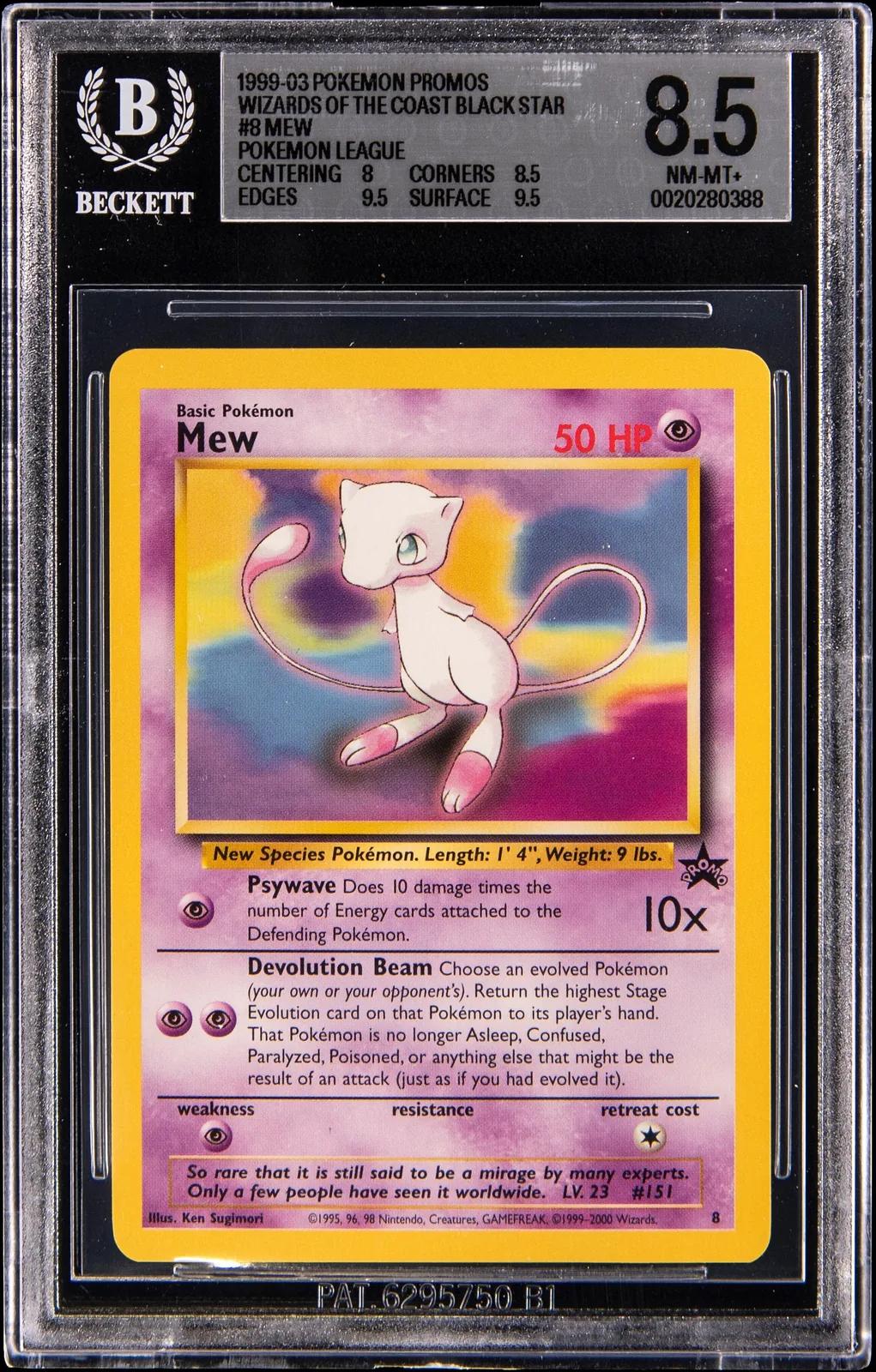
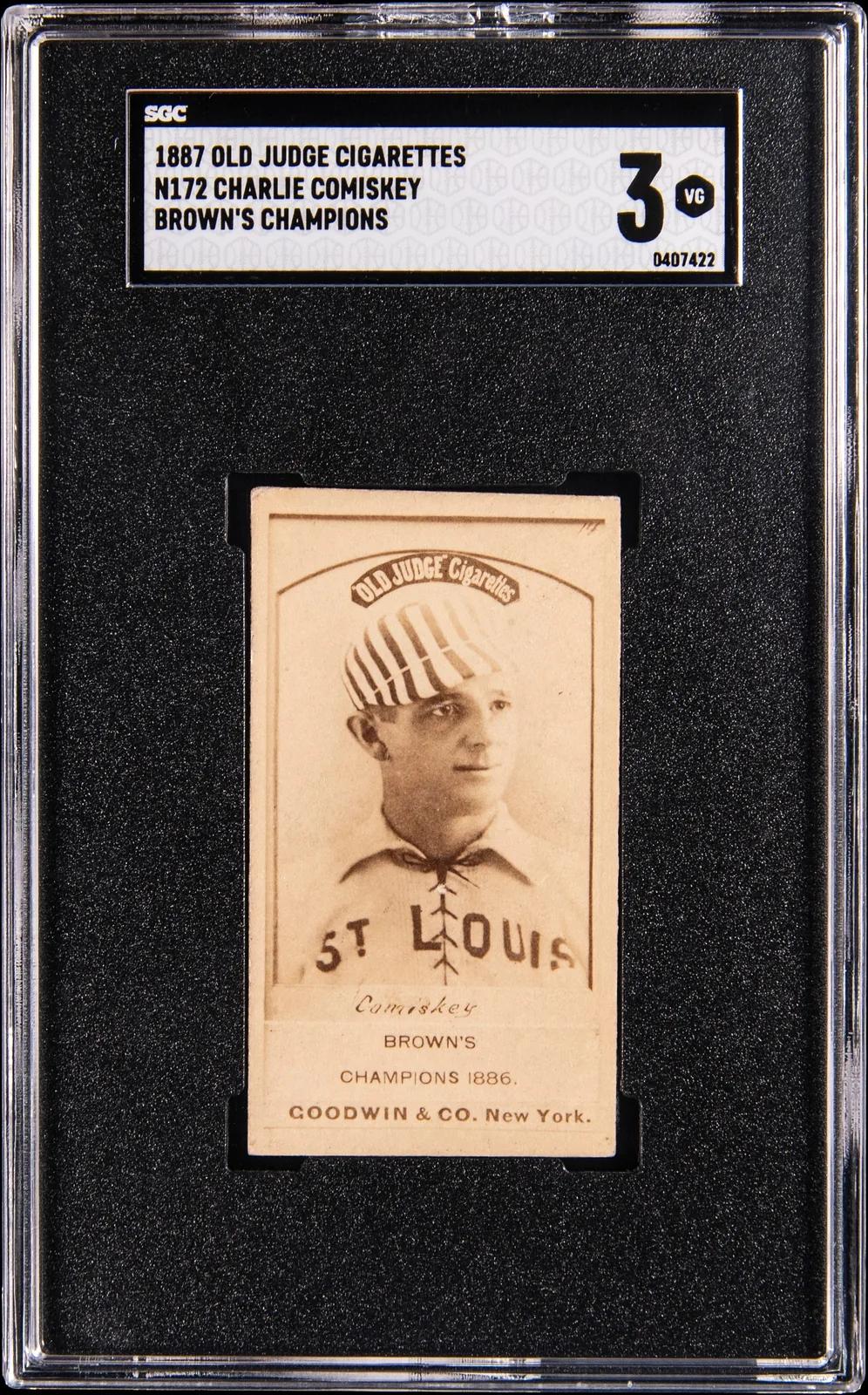
Graded cards
Every holder, one inventory
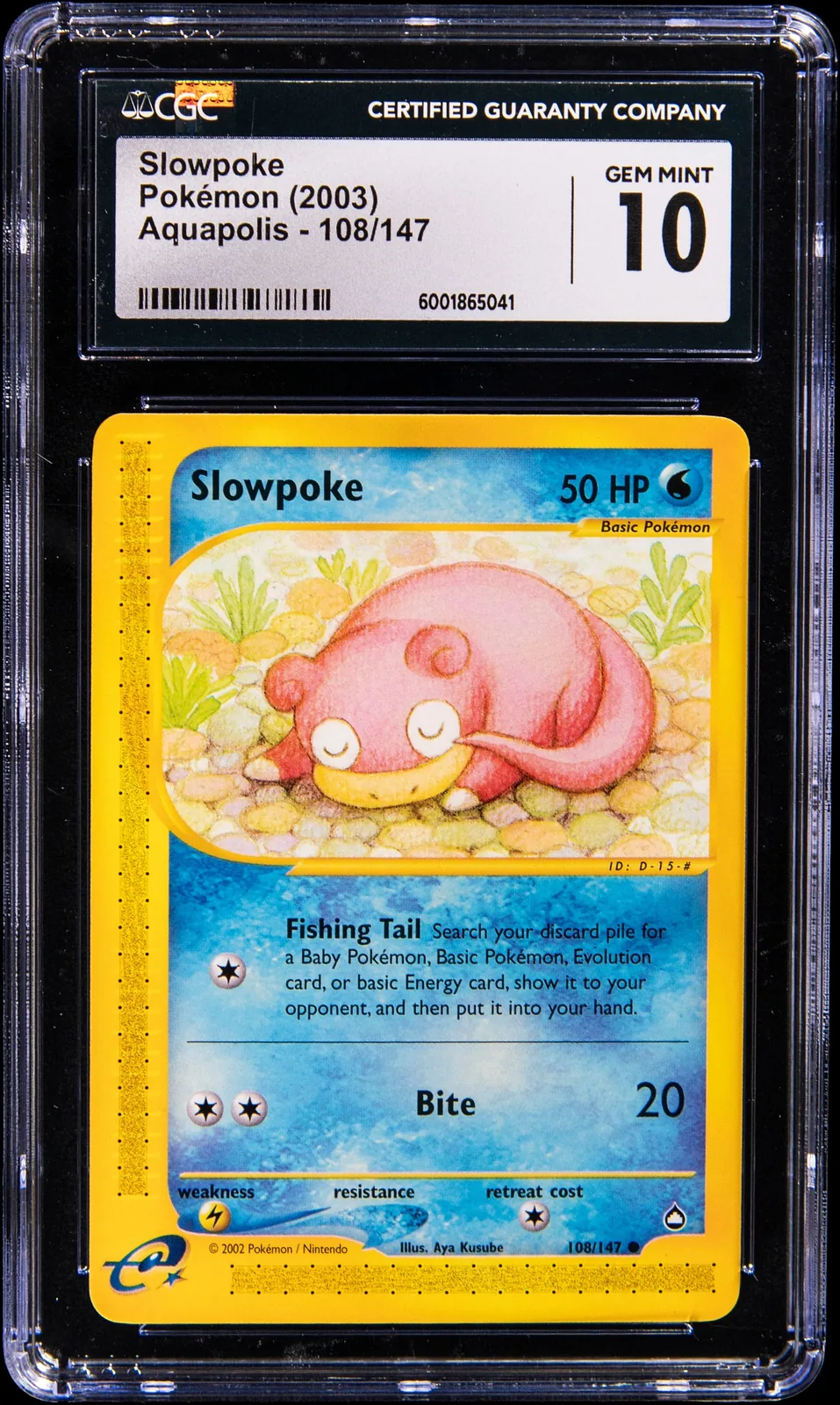
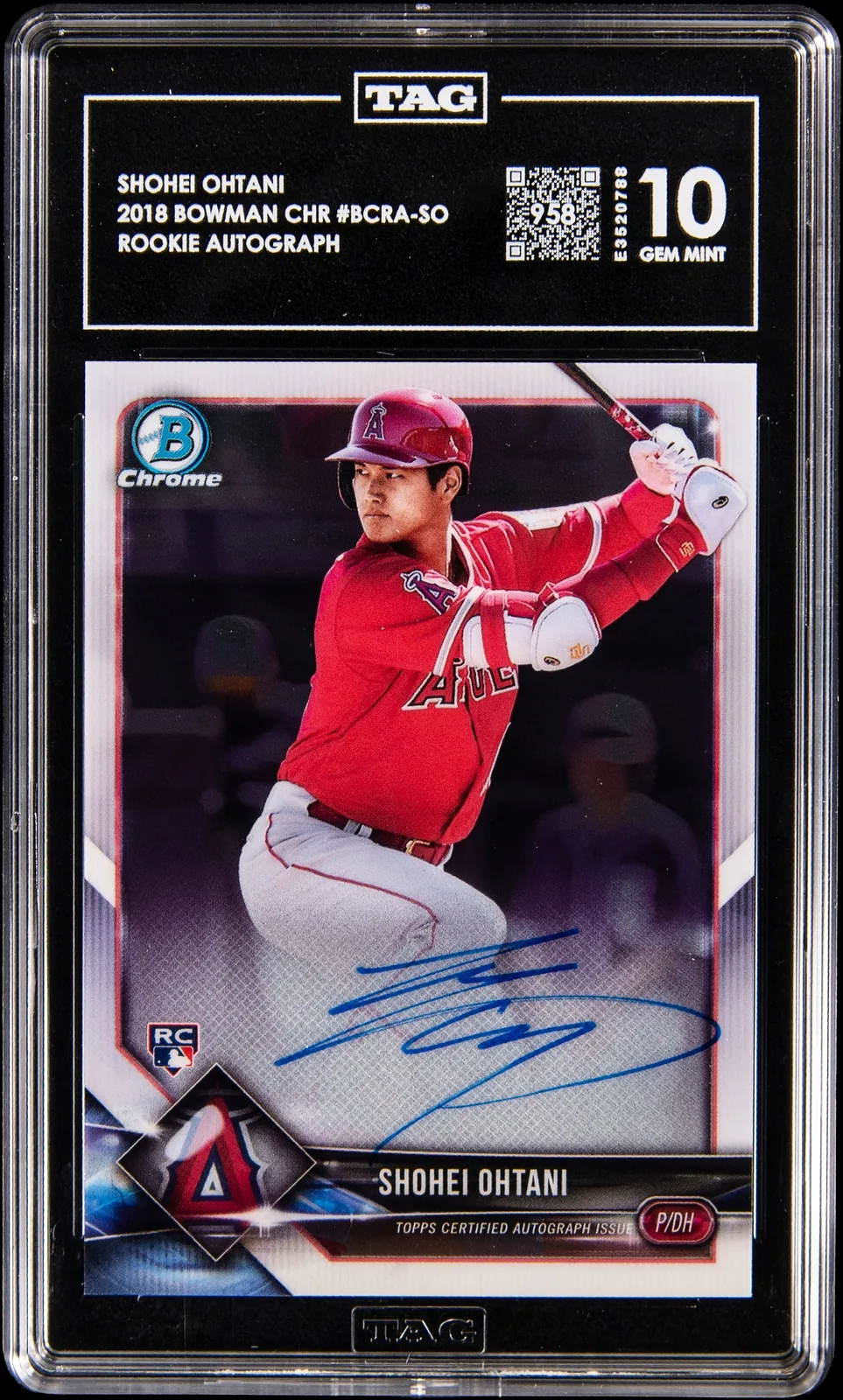
Each slab keeps its own grade and cert.
PSA 10
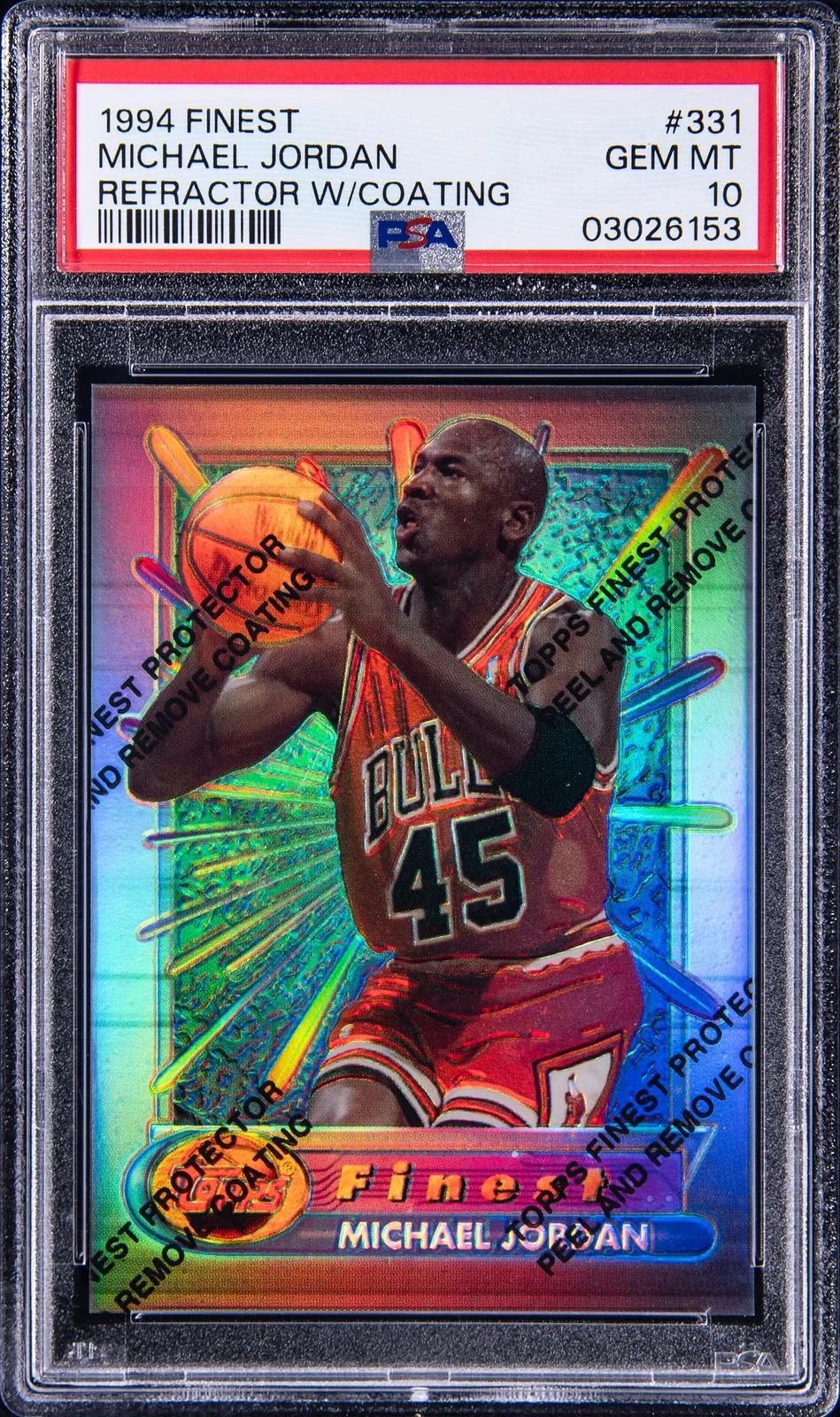
Michael Jordan
Dealer tools
Then go further
Six more tools, each with its own page.


How it works
Before your first card
Is my collection automatically public?
No. Private Vault records and dealer Inventory are separate from public listings and deliberate sharing. Review the audience before sharing selected information.
Who is Casey?
Casey is the AI agent in CaseLink. Ask about your cards or prepare a task, inspect the source records and review proposed changes before approving them. See what Casey does.
Does CaseLink handle payments?
Payments and physical handoffs happen outside CaseLink. Recording an amount or accepting terms does not process, verify or refund money.
How do I choose the right workspace?
Pick Dealer if you sell, Collector if you keep your cards. You can ask for both. Compare the two workspaces.
Where does your first card go?
Use both if you like. Collection and business stay separate.

Personal collection
Collector
A private Vault, plus sets, a watchlist and market research.
Explore Collector