Trades:
Track sports and Pokémon card trades: compare outgoing cards, incoming cards and the cash difference before recording what you agreed.

Both sides
See what leaves and what arrives
As many cards as the deal takes. Tap one to bring it forward.
Joe Montana
Two cards for two, worked through
A trade on the web app, with every number on the table.
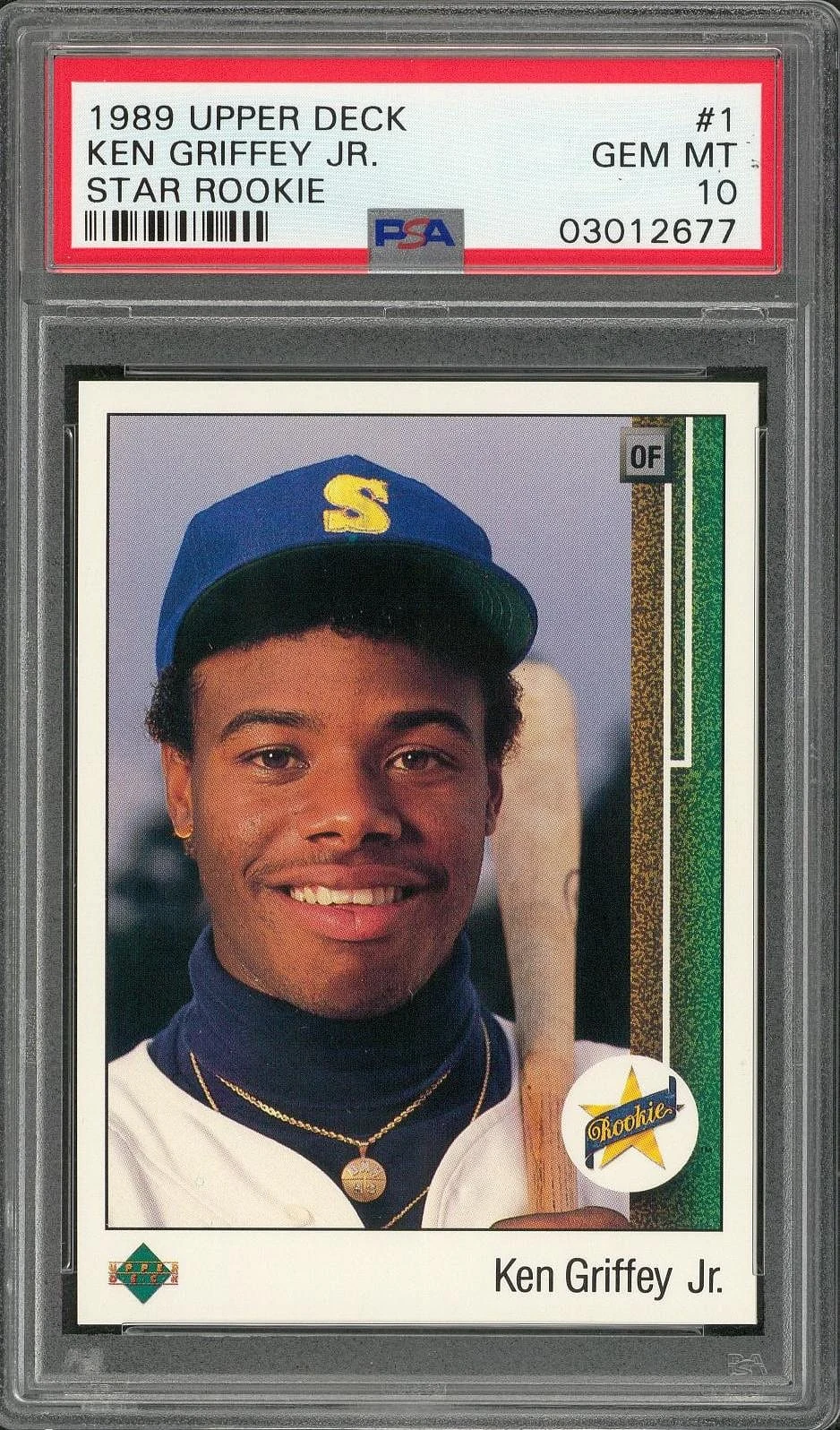
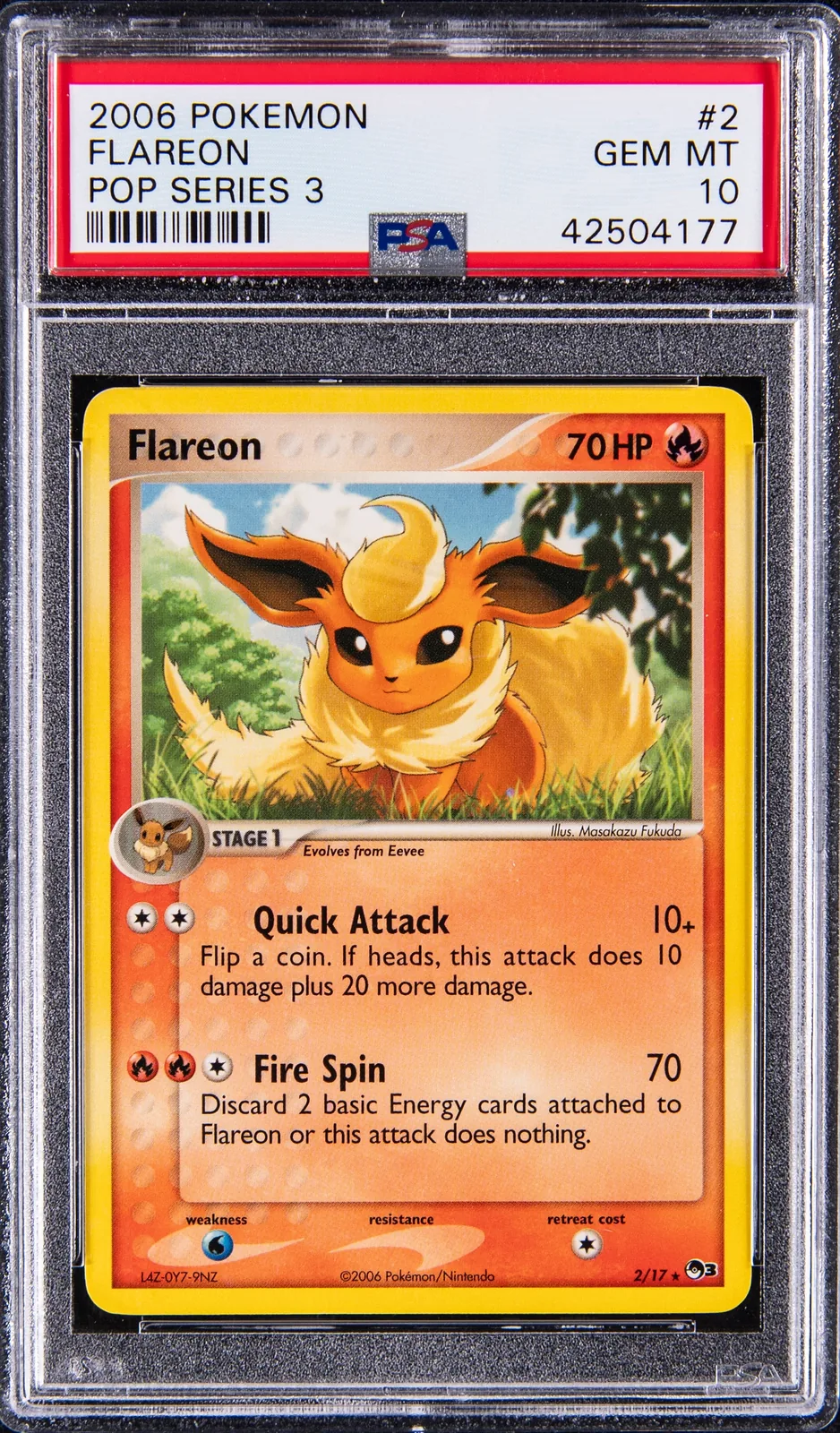
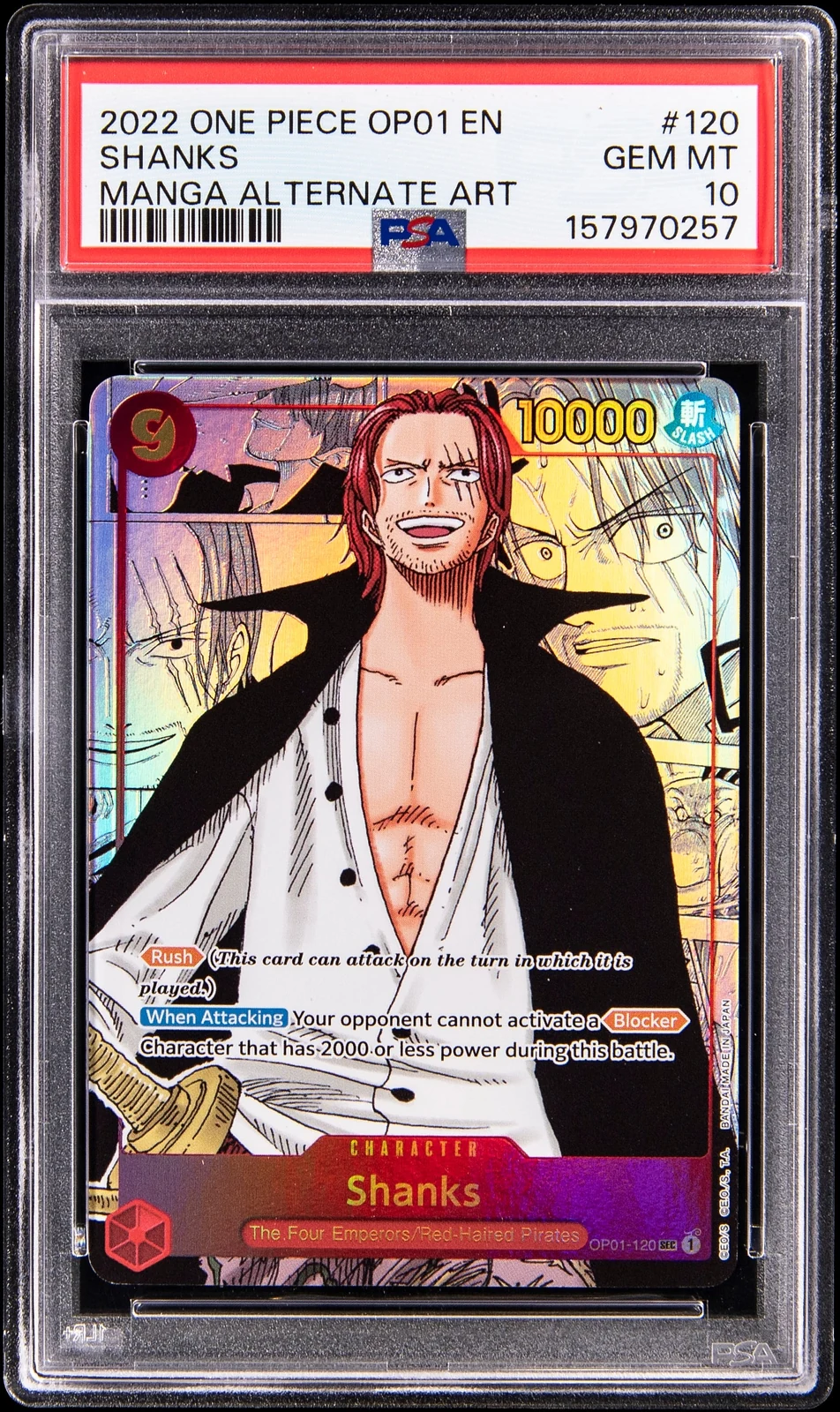
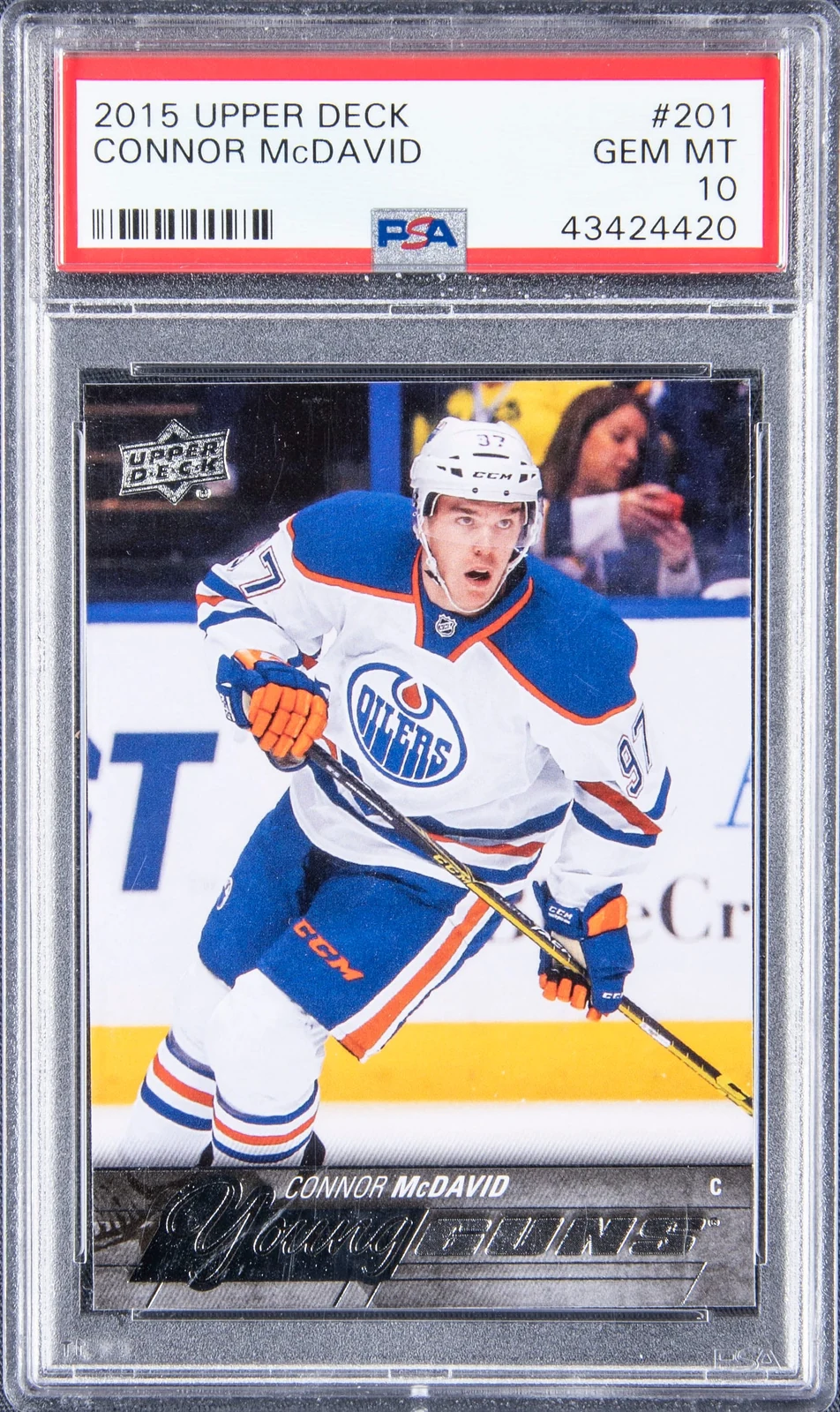
- Both sides, side by sideWhat you give and what you get, each card from your inventory or added by hand.
- Market and agreedThe newest sale is the reference. The value you agree can differ, and both are kept: the Flareon goes in at $1,400, not $1,464.
- Cash evens it out$8,756 out, $6,286 in: they pay $2,470. CaseLink notes it, the money moves outside.
- Your cost stays yoursMargin against your cost shows only in your view. Show customer hides it: switch to Customer view above.
How much cash evens it out?
Search your stock
You give this card
Add the card you get
The difference, offered as cash
Review and swipe
Trade recorded


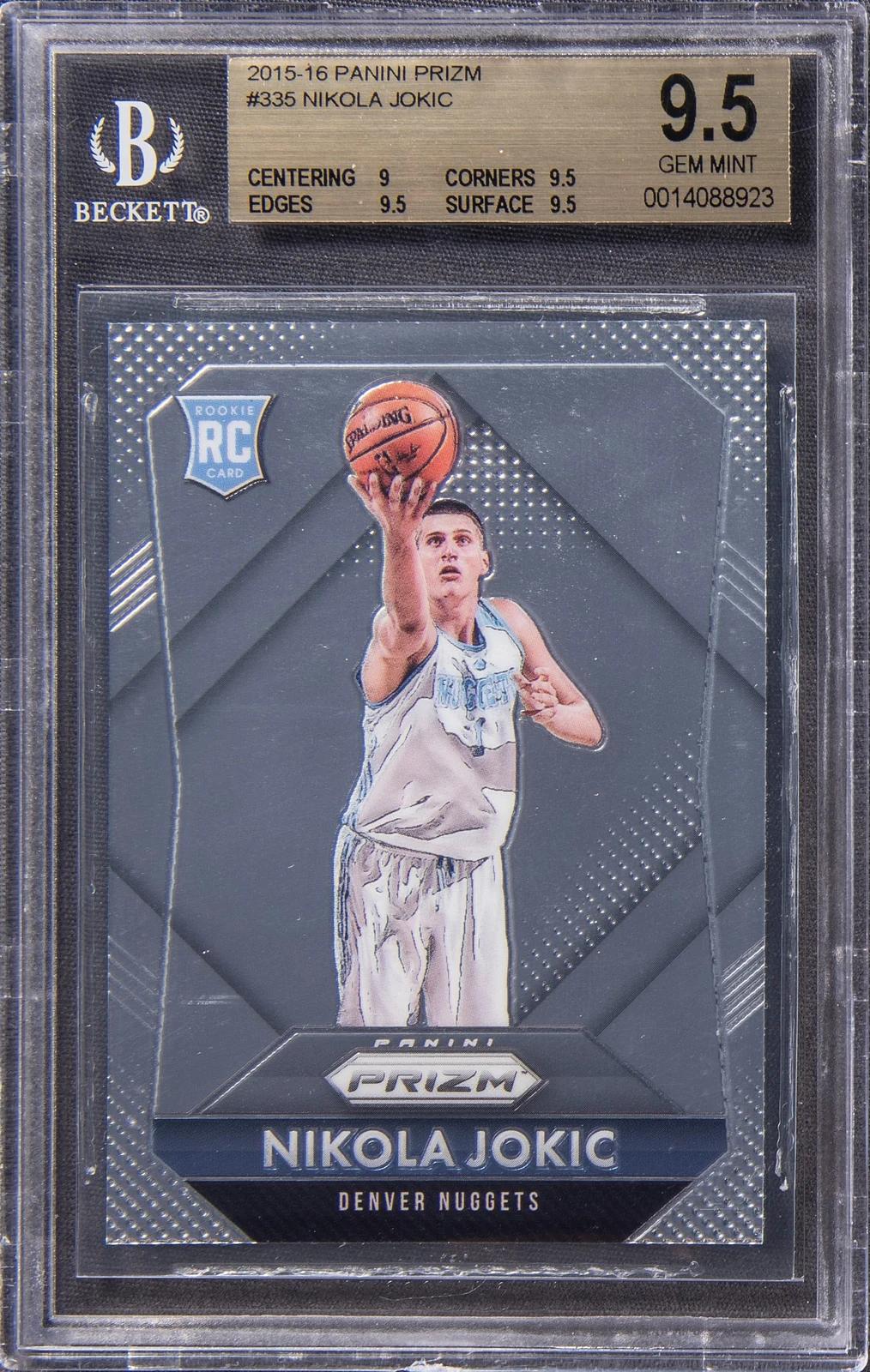


Handoffs, ticked
Both sides recorded together, once the cards change hands.
- Outgoing card leaves your Inventory
- Incoming card received into Inventory
- Cash difference noted, paid outside CaseLink
- Agreement saved with the trade
- History kept if it ever needs a reversal
After the handshake
Where the cards you got go next.
Not every deal is a trade
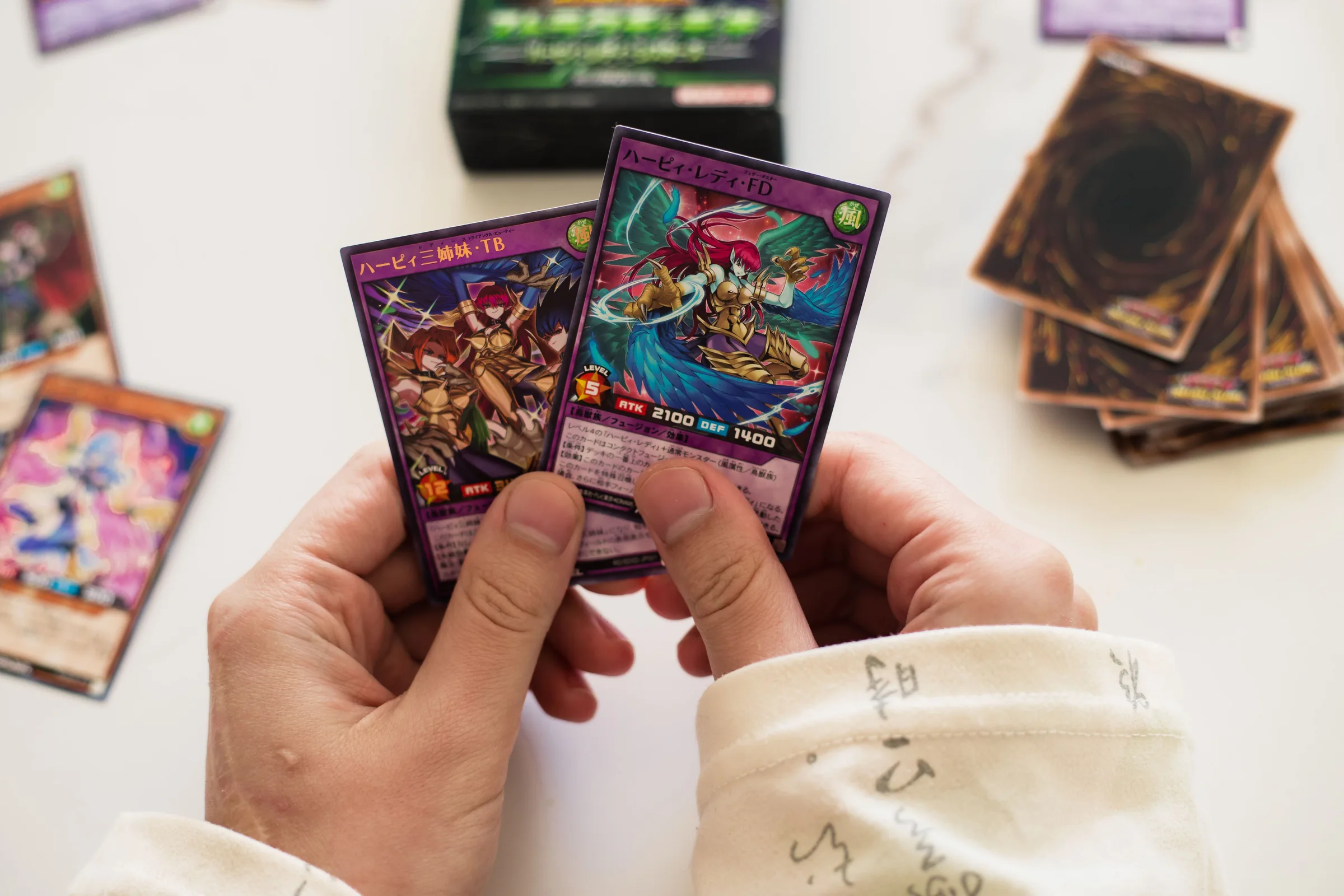
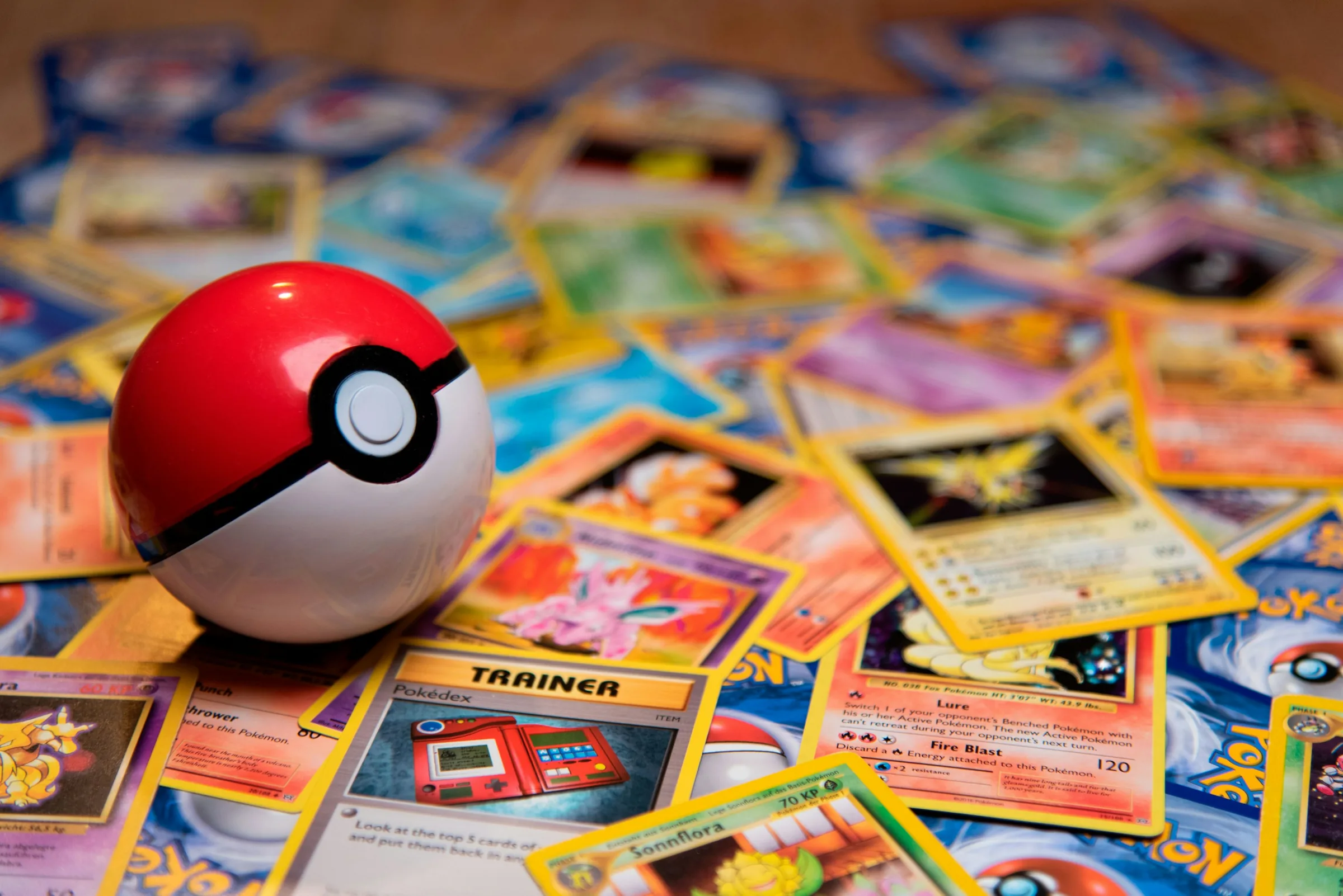
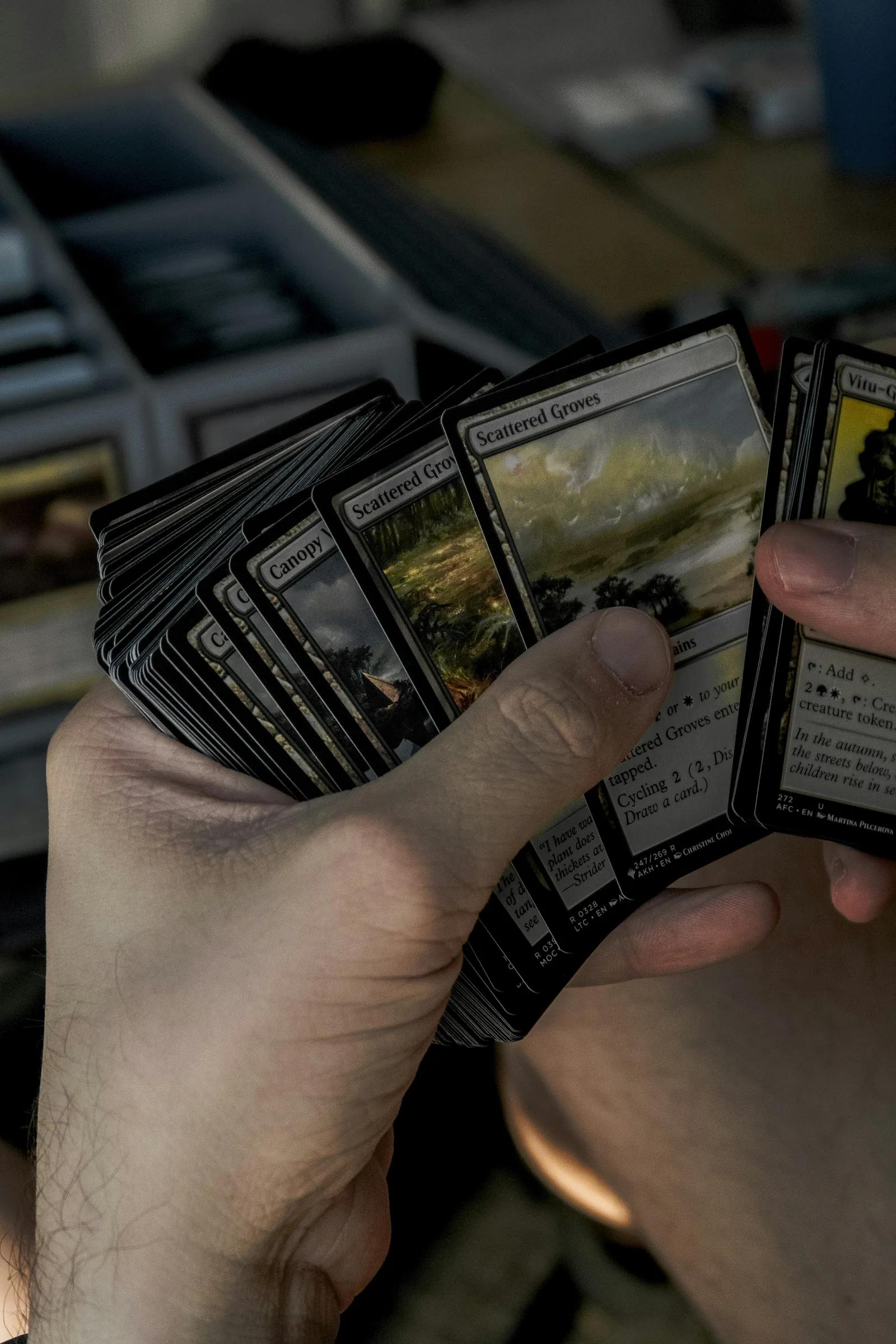
It all lands in one inventory.
Trades
Before you shake on it
How does CaseLink record a dealer trade?
Build the incoming and outgoing sides with the cards and agreed values in view. Add any cash adjustment, review the exchange and confirm both inventory movements together. You can park a trade and pick it up again before you complete it.
Are the values in a trade an appraisal?
No. Agreed values help both sides review the exchange. They are not an appraisal or a guaranteed resale value, and the collector-safe review keeps your private costs out of the shared view.
Does CaseLink broker or settle trades?
No. CaseLink records the agreement and what it does to your inventory. The two parties agree the terms and handle any cash outside CaseLink. An uneven trade is fine when both sides agree to it.
What happens if a completed trade needs correcting?
The completed trade keeps its original agreement and history. A correction needs an explicit reversal, and it has to respect later sales, holds or other inventory activity on those cards.
Can the collector see what I paid for my cards?
No. The review you show the collector lists the cards, market references, agreed values and the cash adjustment. Your cost stays in your own records.
What happens to my inventory when I record a trade?
The cards you receive are added to your inventory. The cards you give are marked traded and hidden from public show inventory, and every other copy stays as it was. Inventory management