Portfolio & reports:
See the mix, recorded costs and dated estimates. Missing costs stay visible.

Your estimate, over any stretch
Each point is a dated snapshot, not a sale.
$541,800
Estimated value, Nov 2, 2026

Valuation, insurance, ownership
Prepare each record from your Vault. A report is not a certified appraisal.
Check the evidence, then prepare the PDF
Reports, under More in the app, shows what a record will contain before you make it.
1 · Pick the record
Collection valuation, insurance dossier or ownership ledger, each from the same Vault.
2 · What it covers
Active holdings: all 212 cards. The ownership ledger also takes in archived ones.
3 · Evidence coverage
Market evidence for 203 cards, purchase data for 188. Missing details are marked in the document, never filled in.
4 · A private PDF
It holds purchase details and values. Not a certified appraisal: your insurer decides what it accepts.

The PDF you get
The Collection valuation of the sample Vault: 212 cards, each on its own line. Here are the first four.
- 1One line per cardName, year, set, number and grade, as your Vault has them.
- 2What you paid, or nothingA missing cost reads “Not recorded”. It is never filled in.
- 3A value with its dateEach estimate carries the day it was last updated. It is not an offer.
- 4The day it was madeA report is a dated record of your Vault, not a certified appraisal.
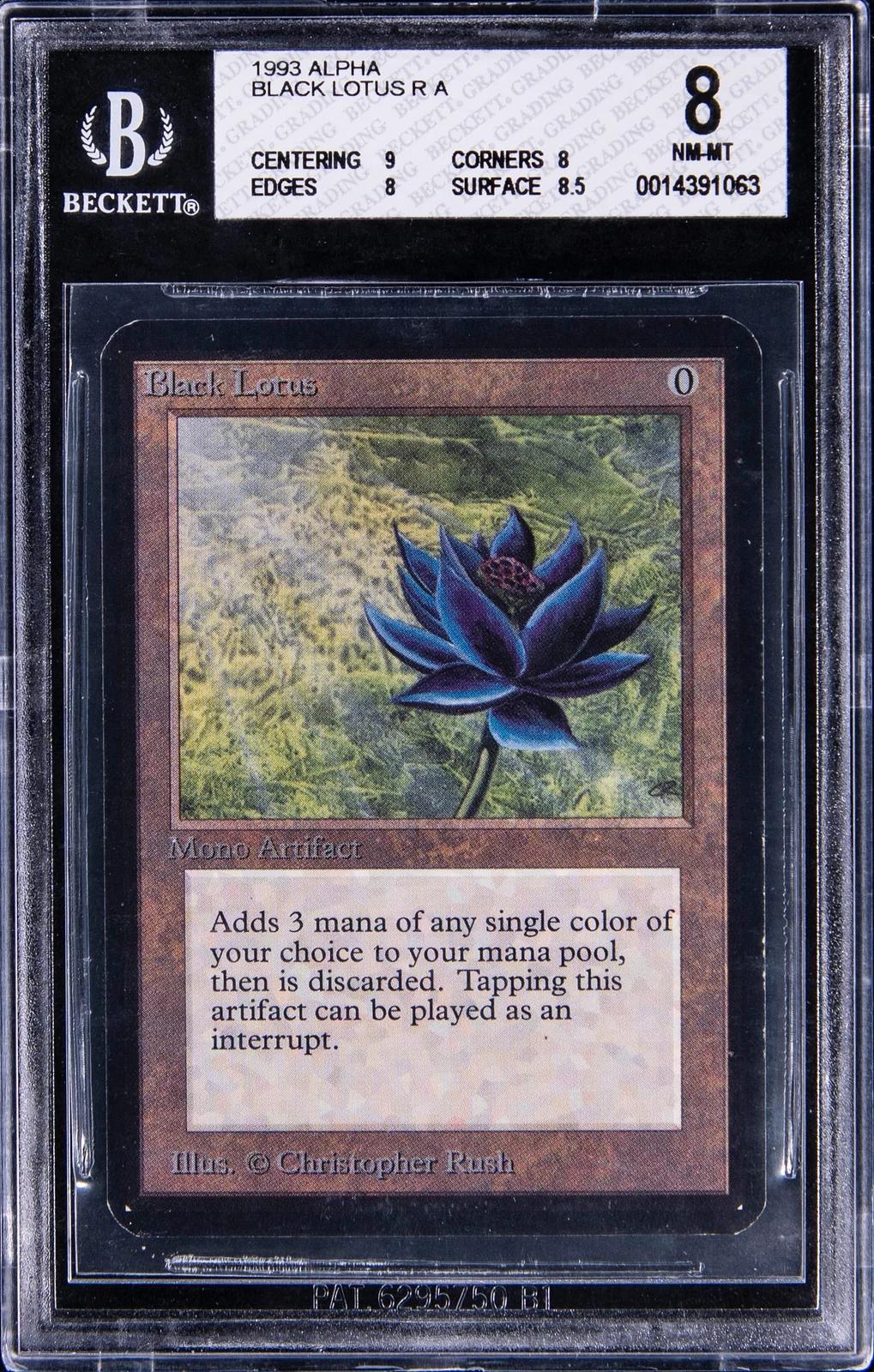
Your largest position is 39% of the value
Shares count estimated value, not copies.
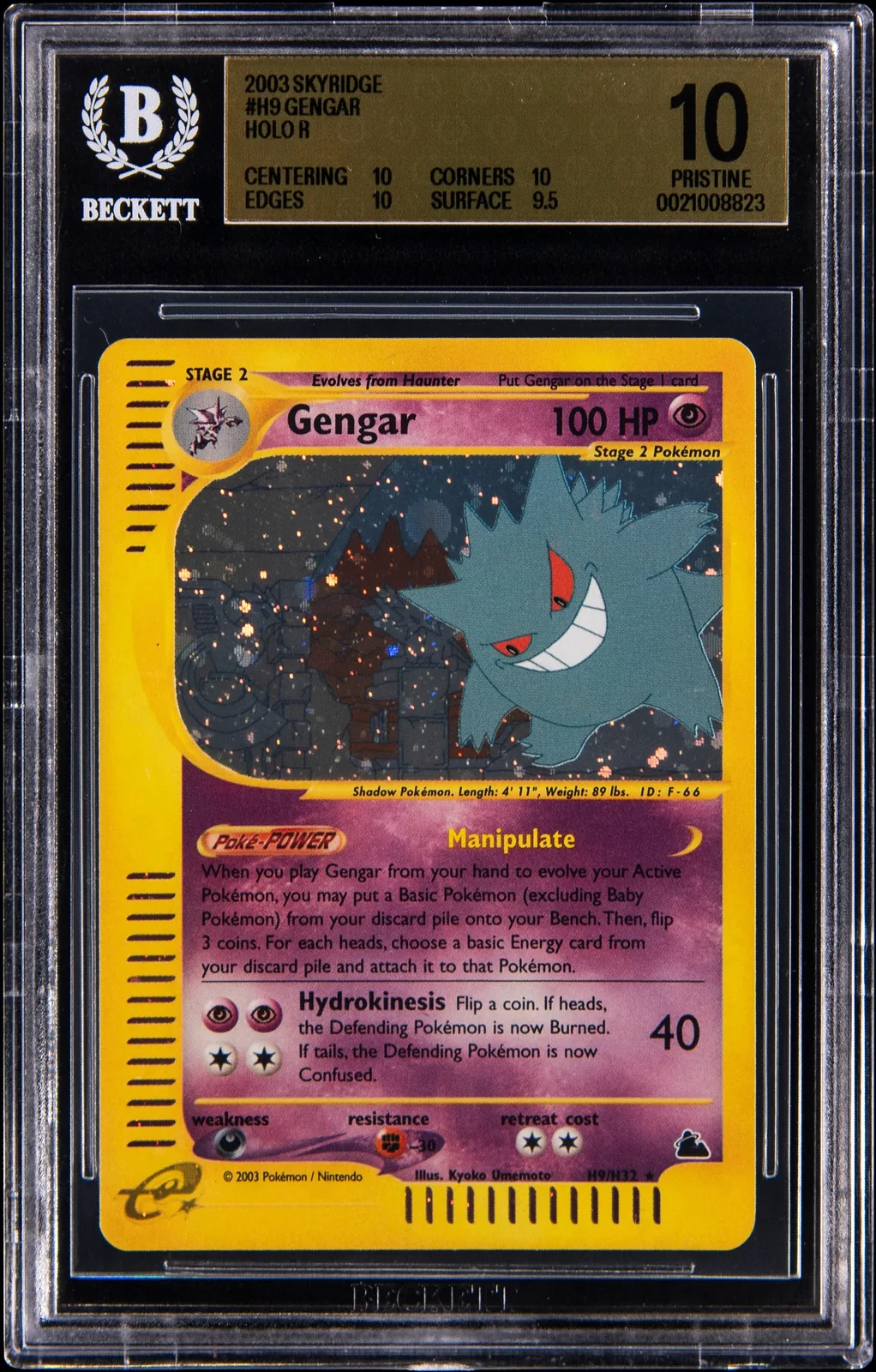 Gengar
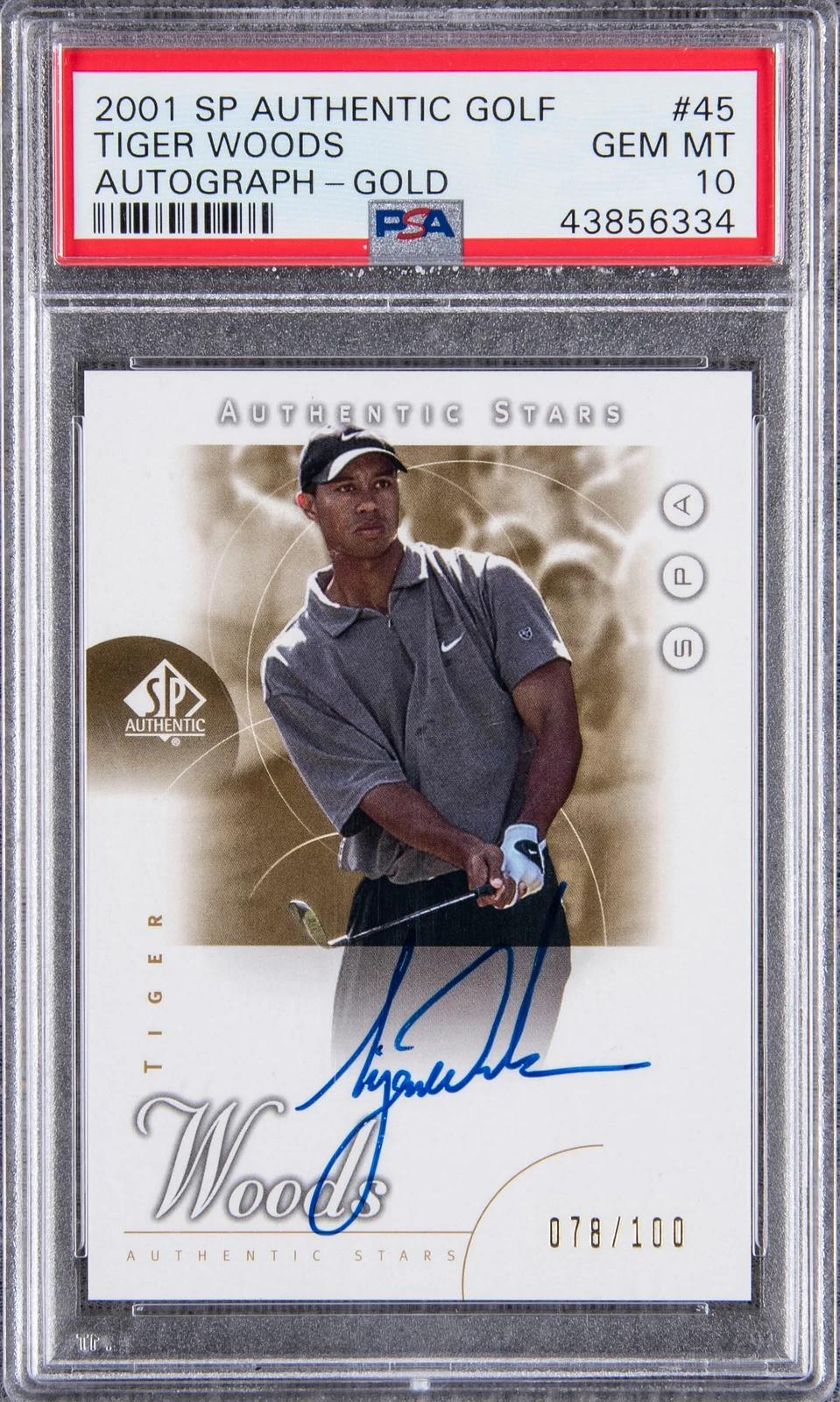 Tiger Woods
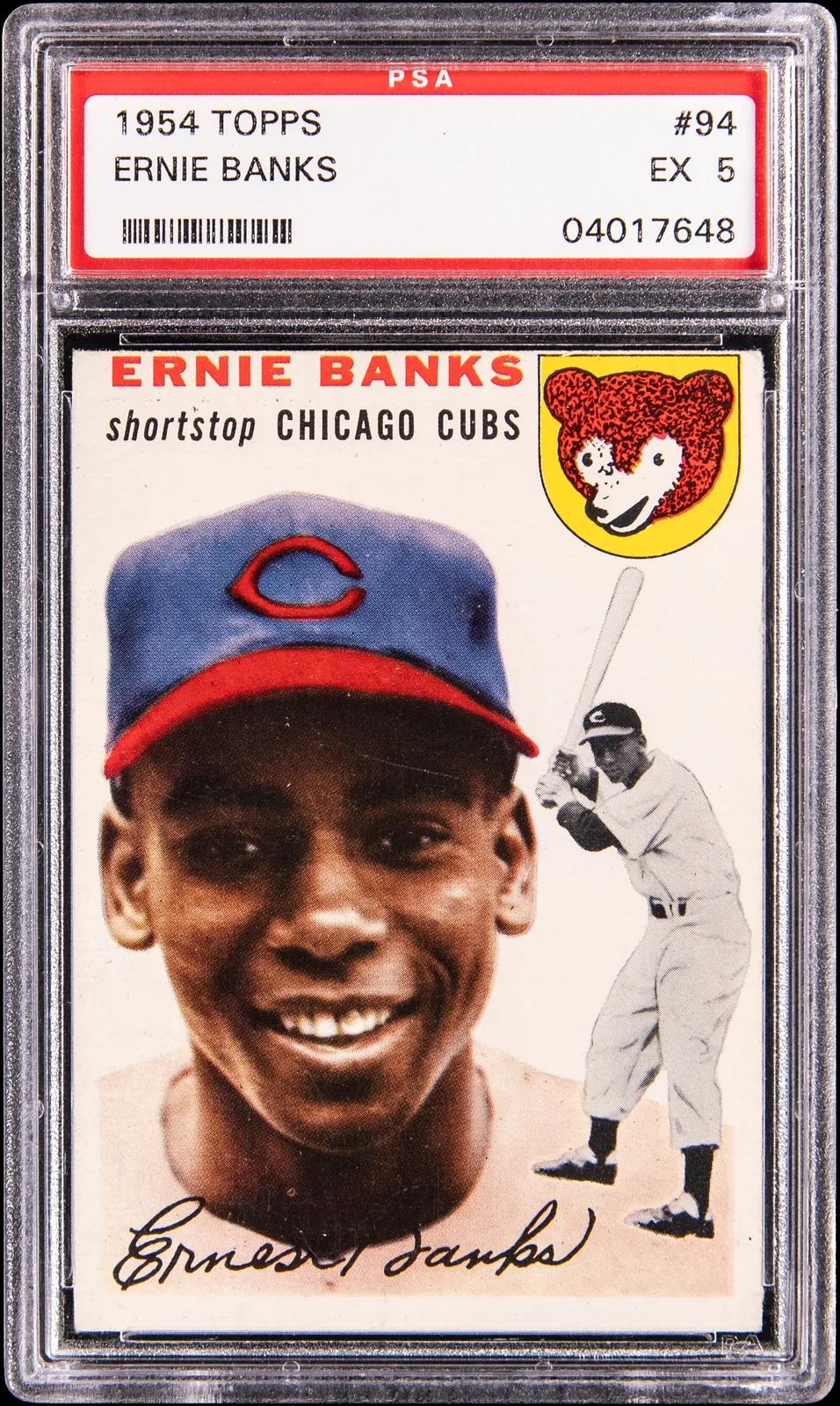 Ernie Banks
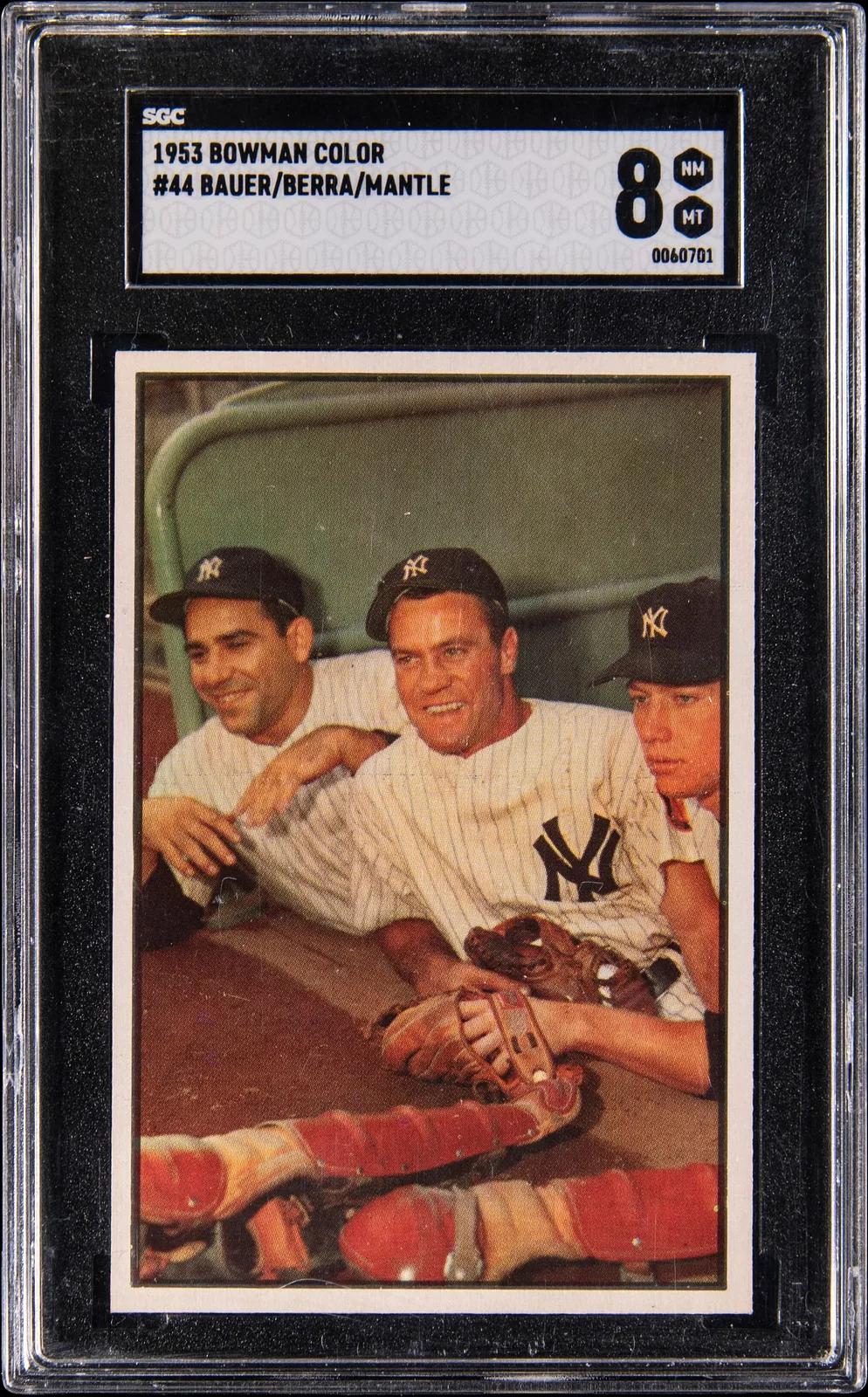 Bauer, Berra, Mantle
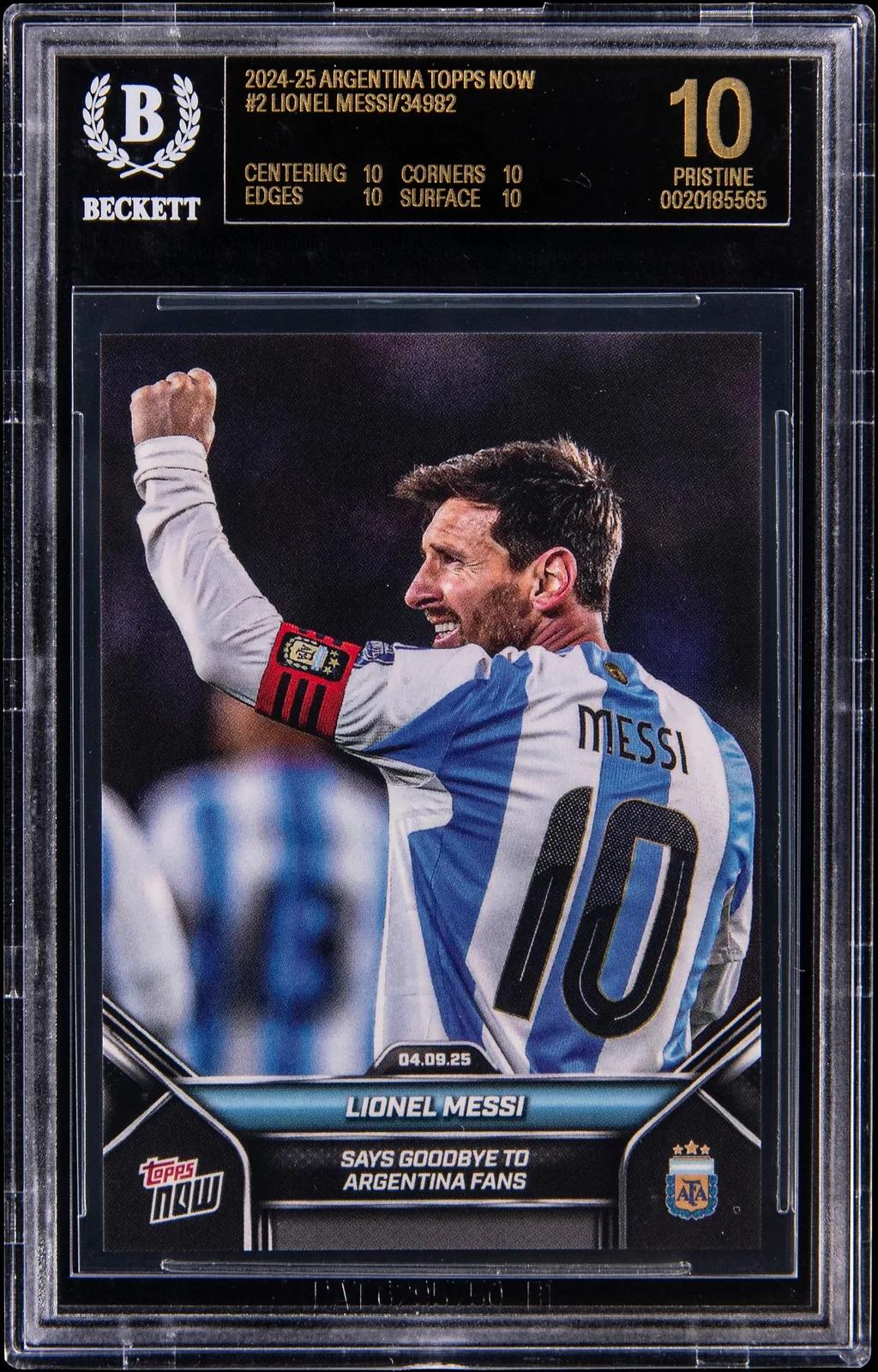 Lionel Messi
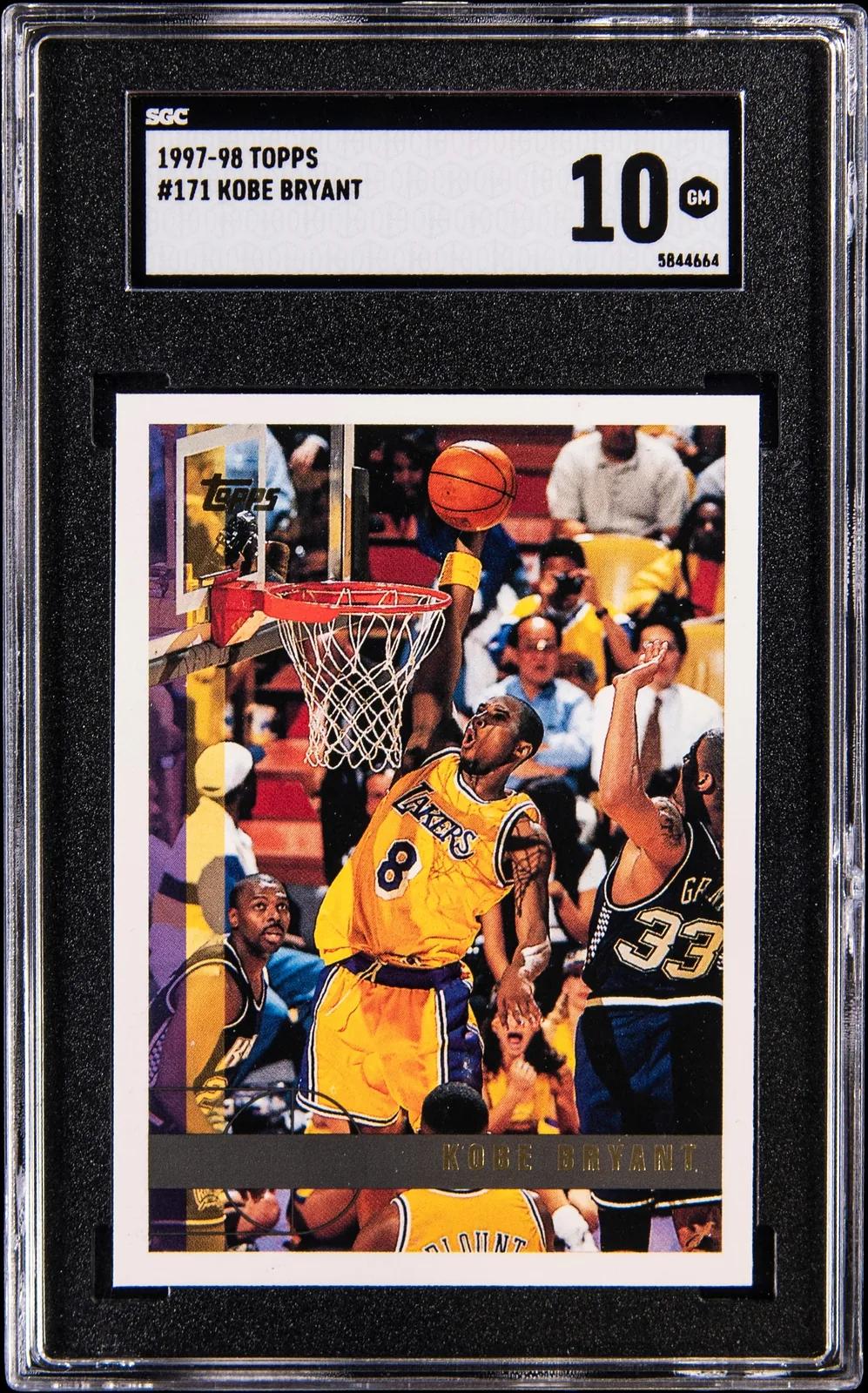 Kobe Bryant
Paid then, estimated now
Compared only where you recorded a cost. 24 of 212 cards have none, and a missing cost is not zero.
Scroll to your top cards
Rank them by gain
Open the biggest gain

The same comparison, whole Vault
- estimated from 203 of 212 cards
- $541,800
- estimated, 188 with cost
- $340,400
- paid for those 188
- $275,180
- the difference on them
- +$65,220
Behind the report
A report reads what you already keep in CaseLink.
Portfolio
What your estimate does and does not say
What does Portfolio show?
Portfolio summarizes the owned records in your Vault: collection mix, largest positions, recorded acquisition costs, dated estimates and their coverage. Wanted cards and saved dealer listings are separate from your owned collection.
Why is the total estimate different from the cost comparison?
The collection total includes the available estimates. The unrealized difference compares estimates and acquisition costs on the same copies with a known cost. A missing cost is not zero and stays outside that calculation.
Does a higher total mean my cards increased in value?
Not necessarily. Adding a copy changes the total and the collection’s scope. Updating an estimate changes an existing position. Review the dated snapshots, included records, currencies and evidence to understand the cause. Neither movement is a realized sale result.
Which report should I choose?
Use a collection valuation for a dated estimate and its sources, an ownership ledger for acquisition, grading and disposition history, and an insurance dossier for identity, certification, images and ownership evidence. Review the private appendices before exporting from your account.
Is the estimate or insurance dossier an appraisal?
No. An estimate is a reference based on the available evidence, not a guaranteed selling price. An insurance dossier organizes your documentation; it is not a certified appraisal. Your insurer decides what documents and valuations it accepts.

Start your Vault with one card
Valuation, insurance and ownership reports come from your Vault.