Buys:
Buying a sports card collection? Review the seller’s cards, agree the price and receive each item with what you actually paid.

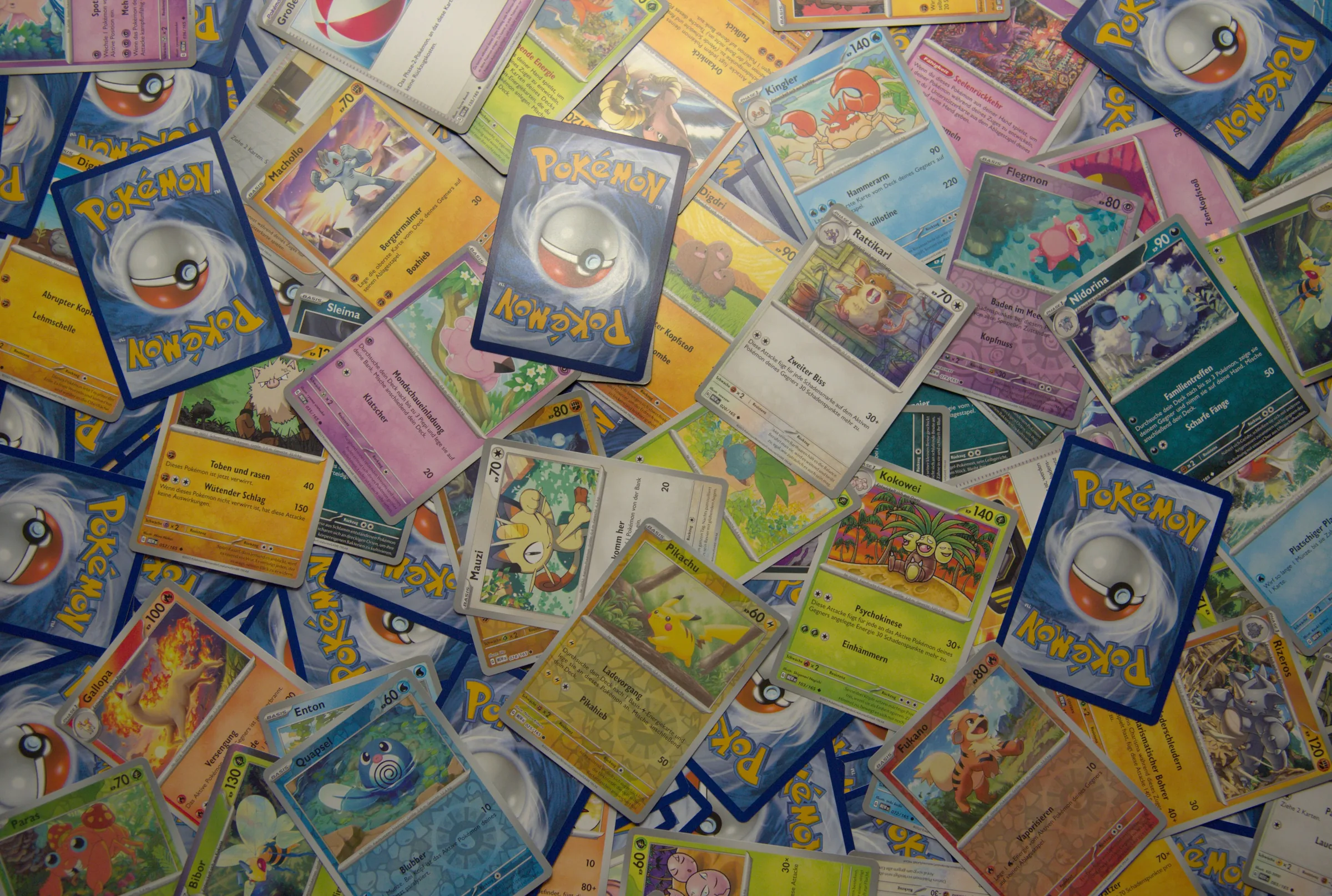
Loose cardsMatched one by one
Start with everything the seller brought
Binders, loose cards, sealed boxes.
Every item gets its identity and its evidence
Receive and verify each one, then hand it off to Inventory.
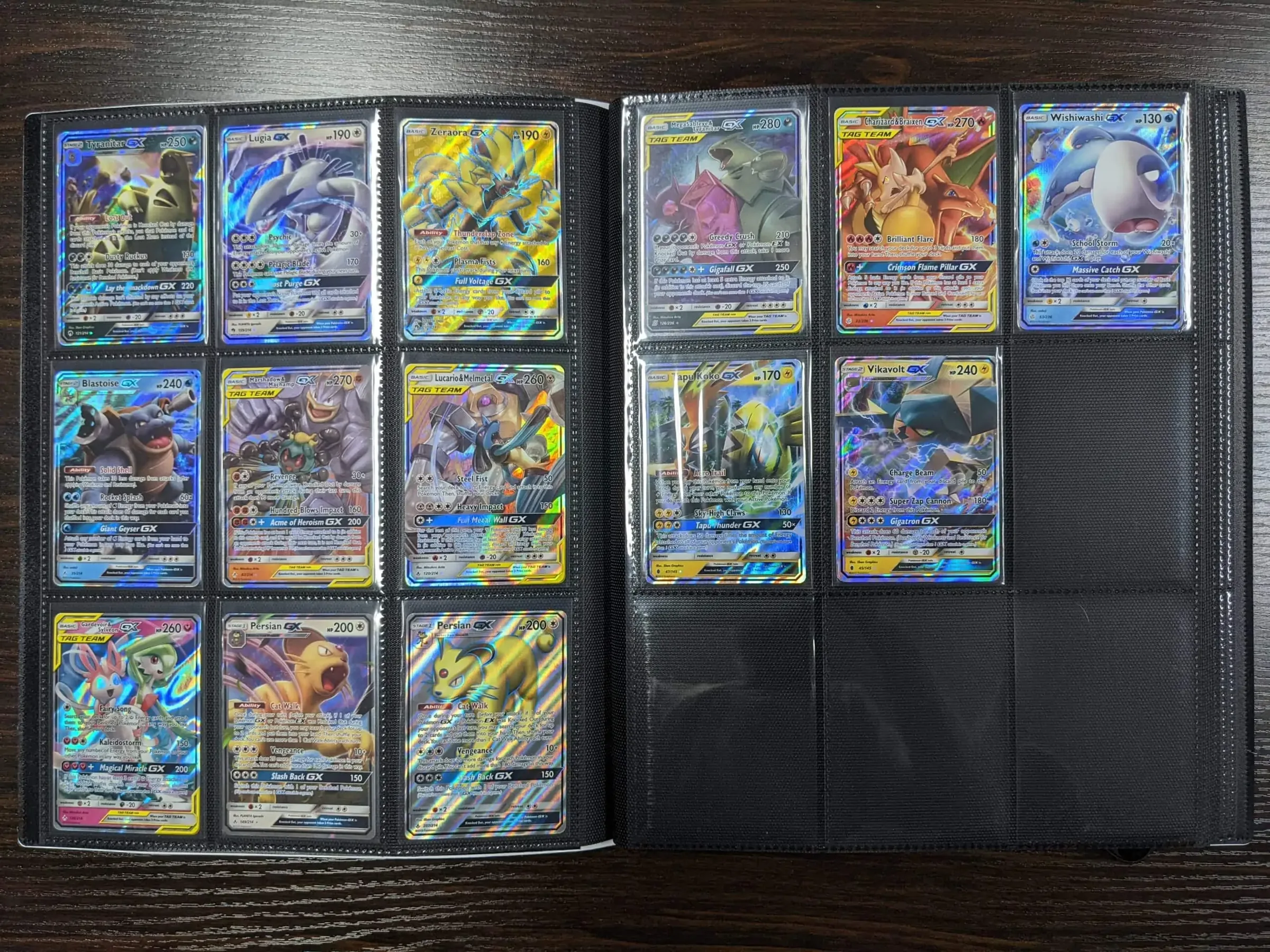
Binder pagesReviewed pocket by pocket
Loose cardsMatched one by one
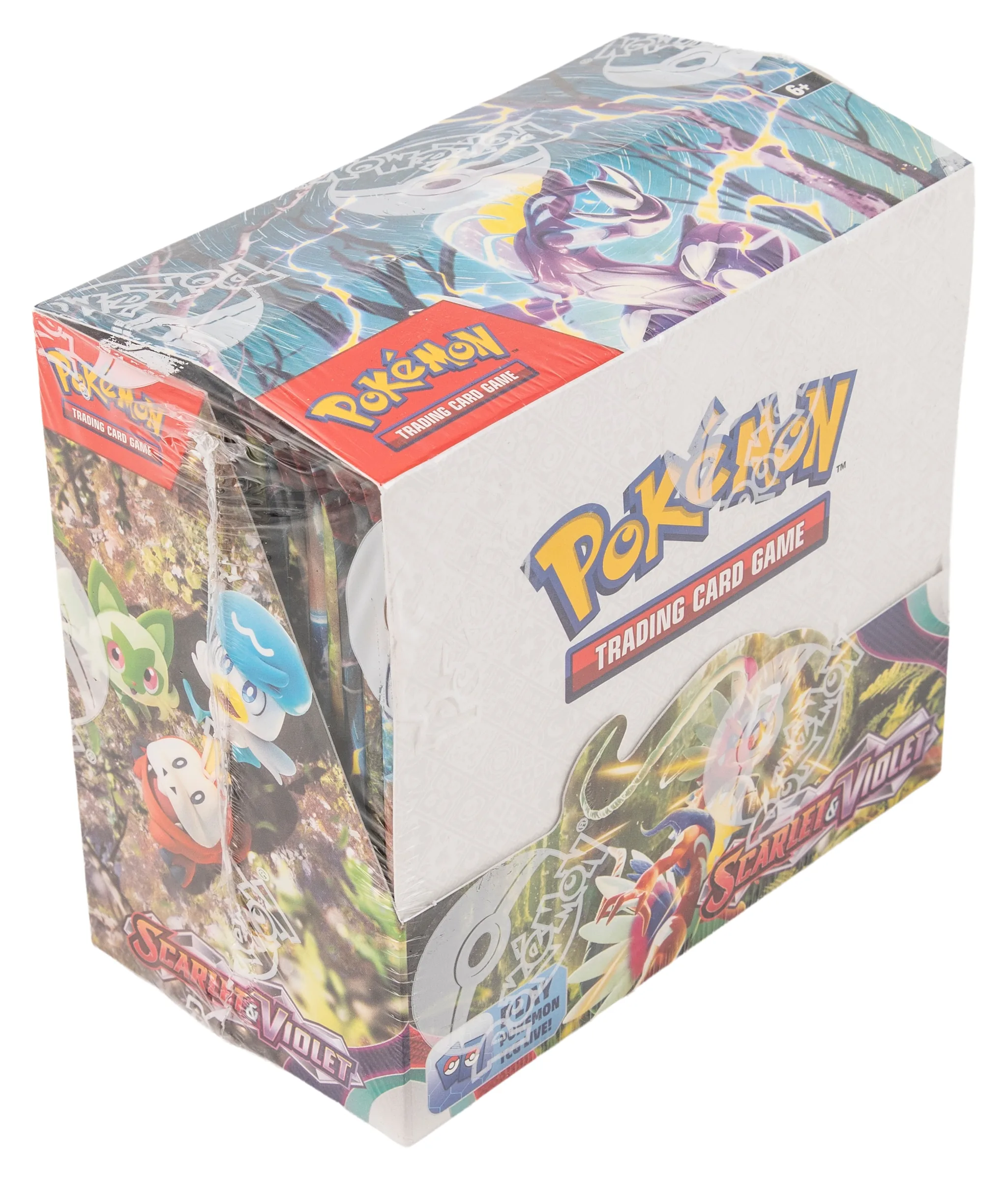
Sealed boxesCounted as items
Three numbers, never mixed
A market reference is not your cost
- The market reference is evidence: $16,000 for this 120-item collection.
- Your offer is its own number: $12,000, agreed with the seller.
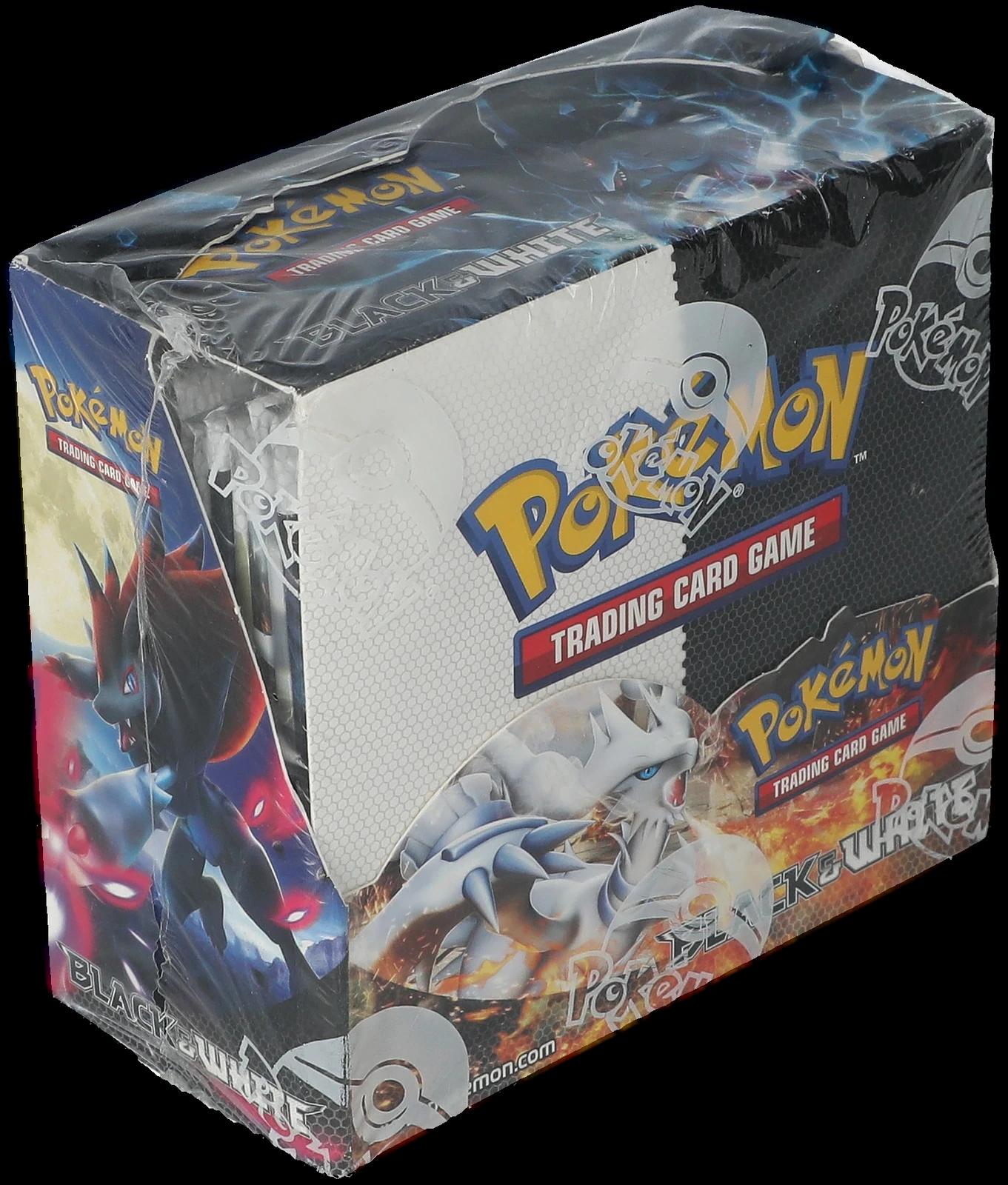
- Each item carries its share of what you paid, not of its comp: $8,698 lands on the 2011 Black & White booster box.
- Stats build on what you paid.
What it is worth, what you paid
Type the lot price
Cost lands per card
Review and record: all six in Buys
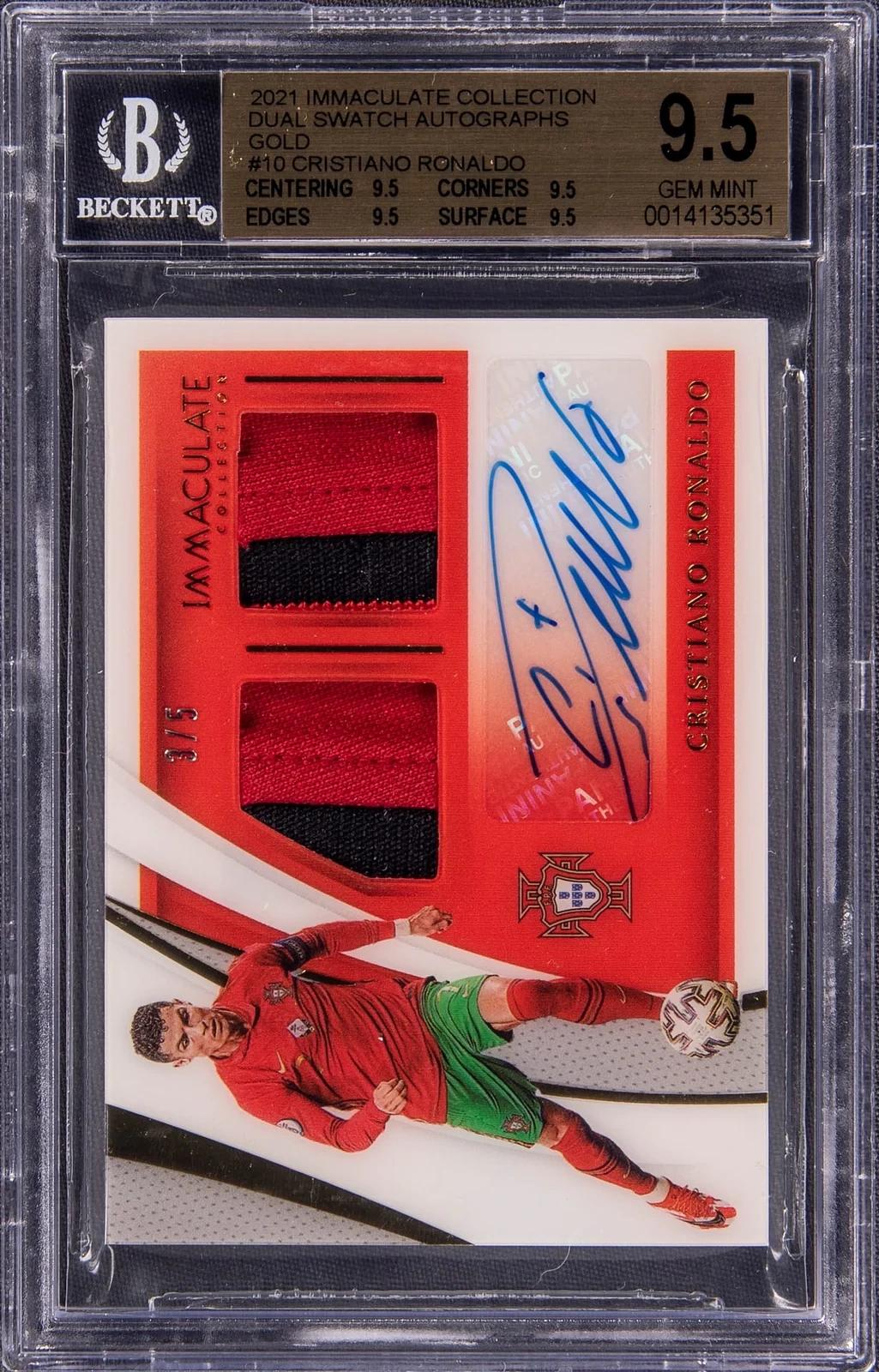

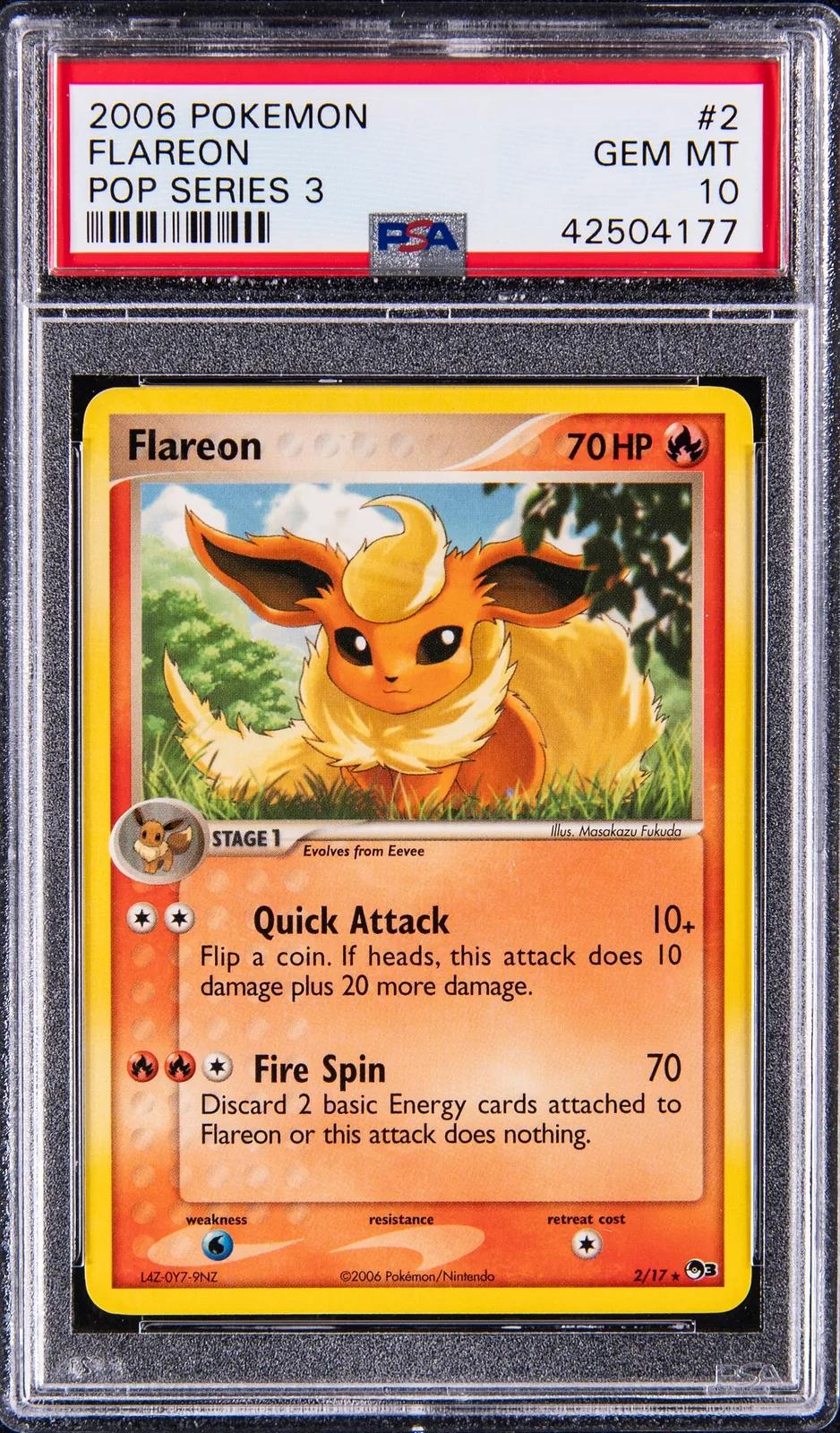


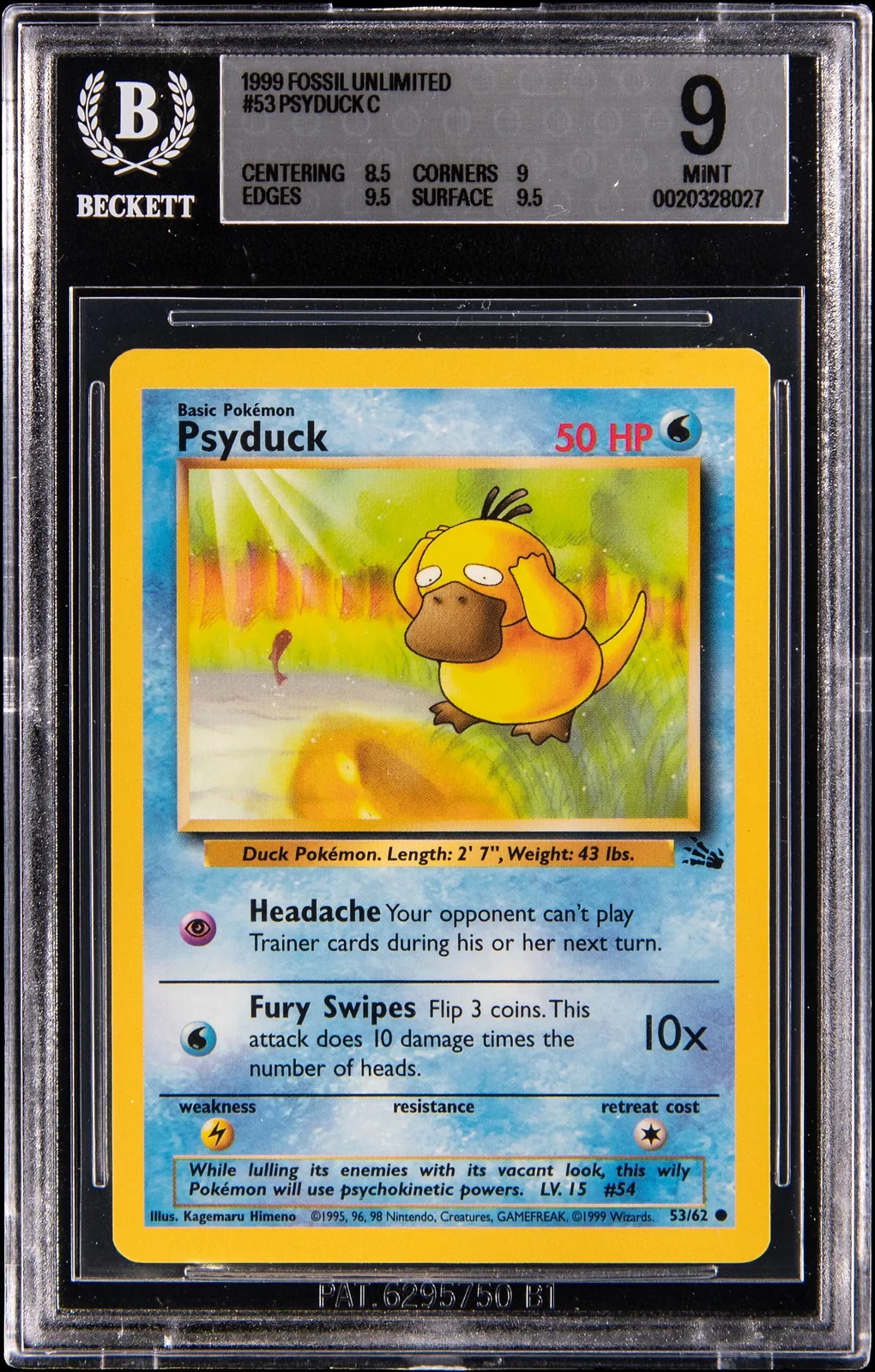


One item from the collection
What each item remembers
The 120-item collection, one item later: the booster box and what it really cost you.
1 · Its share of what you paid
$8,698 of the $12,000, split by market reference, not by guesswork.
2 · Cost, price, potential profit
The cost feeds show profit. The price is what you ask.
3 · Where it came from
The seller, the day, and the shelf it went onto.
4 · Paid outside the app
The buy is on record. CaseLink did not move the money.
Receive and verify, item by item
The 120-item collection on the web app: what has arrived and what is still on its way.
- Received so far100 of 120 items are in. The count stands in the summary and over the list.
- One row per line of the dealA sealed box, six retail boxes, a binder of singles: each with what you pay per item beside its estimate.
- A state for every itemAwaiting receipt until it is in your hands, Received once it is. Match and condition were verified in the review.
- Confirm receiptTick what arrived and confirm. That creates no inventory and moves no money; the handoff stays locked until everything is in.
Review, agree, receive
CaseLink records the buy. It does not move money or verify the seller.
- Capture the seller and where the collection comes from
- Check each card with its market evidence
- Agree the offer and keep it as its own number
- Receive each item and confirm it matches
- Resolve every exception before the handoff
- Hand the items off to Inventory with what you paid
Buys
Buying a collection, and what it costs
What is sports card acquisition tracking?
Keep a buy connected from intake to Inventory. Capture the seller and collection, review the cards, build an offer, verify what arrives and preserve the agreed cost and decision history.
Can I work through an entire collection?
Yes. Buys covers walk-ins, mail-ins and collection intakes. Review the individual cards, track accepted and received items, and settle any item that needs a decision before handing the buy into Inventory.
Does market value become the cost of a buy?
No. Market references, the offer you make and the cost assigned to Inventory stay separate. The buy record preserves what you agreed and received rather than treating an estimate as an expense.
Does CaseLink process the payment for a buy?
No. CaseLink records the buy and its external settlement context. The dealer remains responsible for paying the seller, verifying identity and keeping the required business records.