Market comps:
Comps for sports and Pokémon cards: choose the exact card and grade, then read the median, the range and every sale behind them.

Follow the card, not the noise
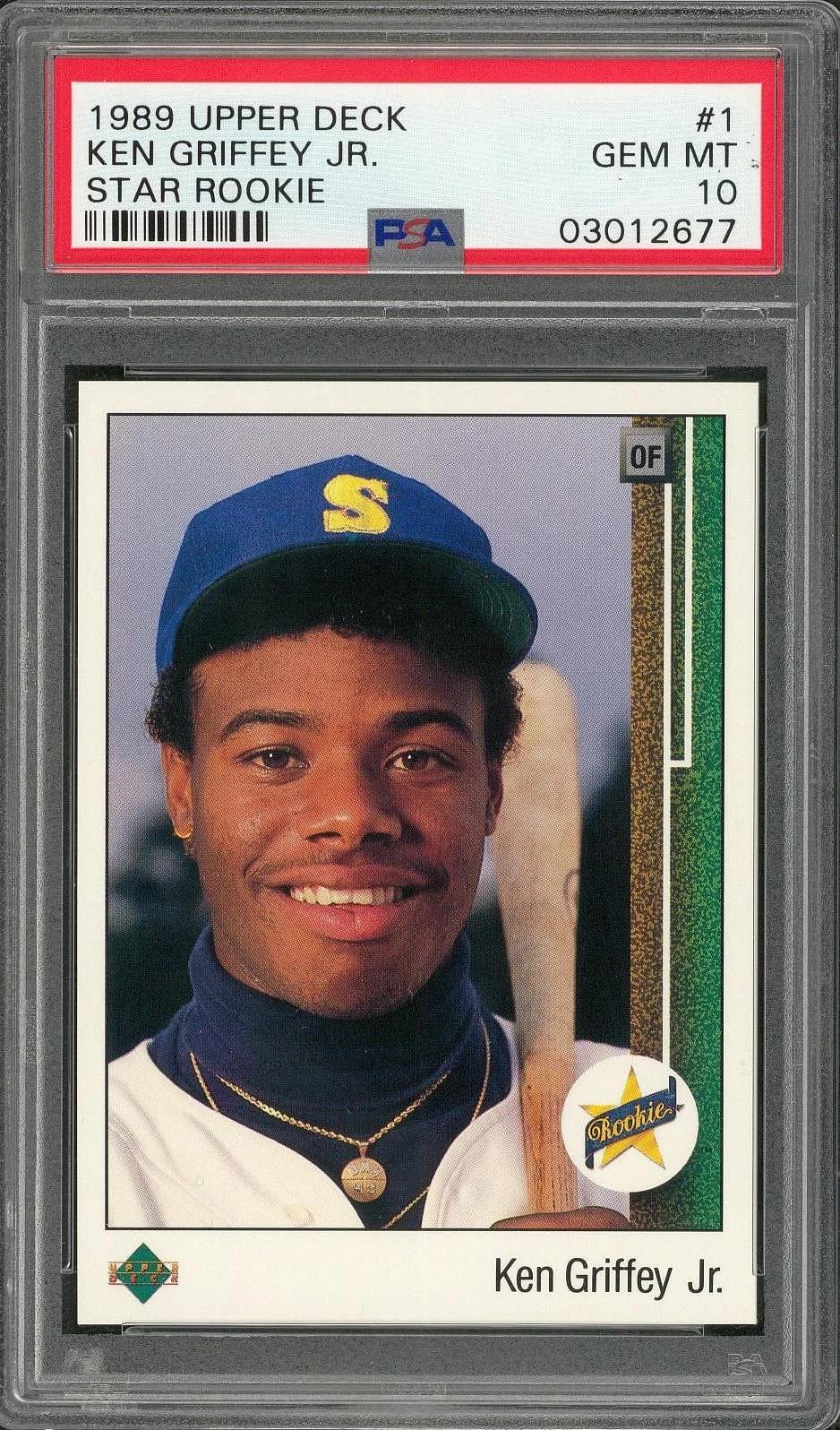
One 1989 Upper Deck Griffey in PSA 10: the median of its last five sales, sale by sale.
Exact card, exact grade
Set, number and grade match before any price counts.
The market view, up close
The Griffey from above, on the web app: every number and where it comes from.
- Exact grade firstPick PSA 10. Each grade shows its own 90-day median, and every number below follows the choice.
- Price statsMedian, average, low, high, sales and change for 30 days, 90 days and a year. Too few sales and it says so.
- Each dot is a saleThe line is the running median, so one odd sale does not swing it. Period and sale type narrow the dots.
- The sales behind itDate, source, sale type and cert for each, with a link to the record where there is one.
Every sale behind the number
Open Market on the card
Type the market value
It is your price
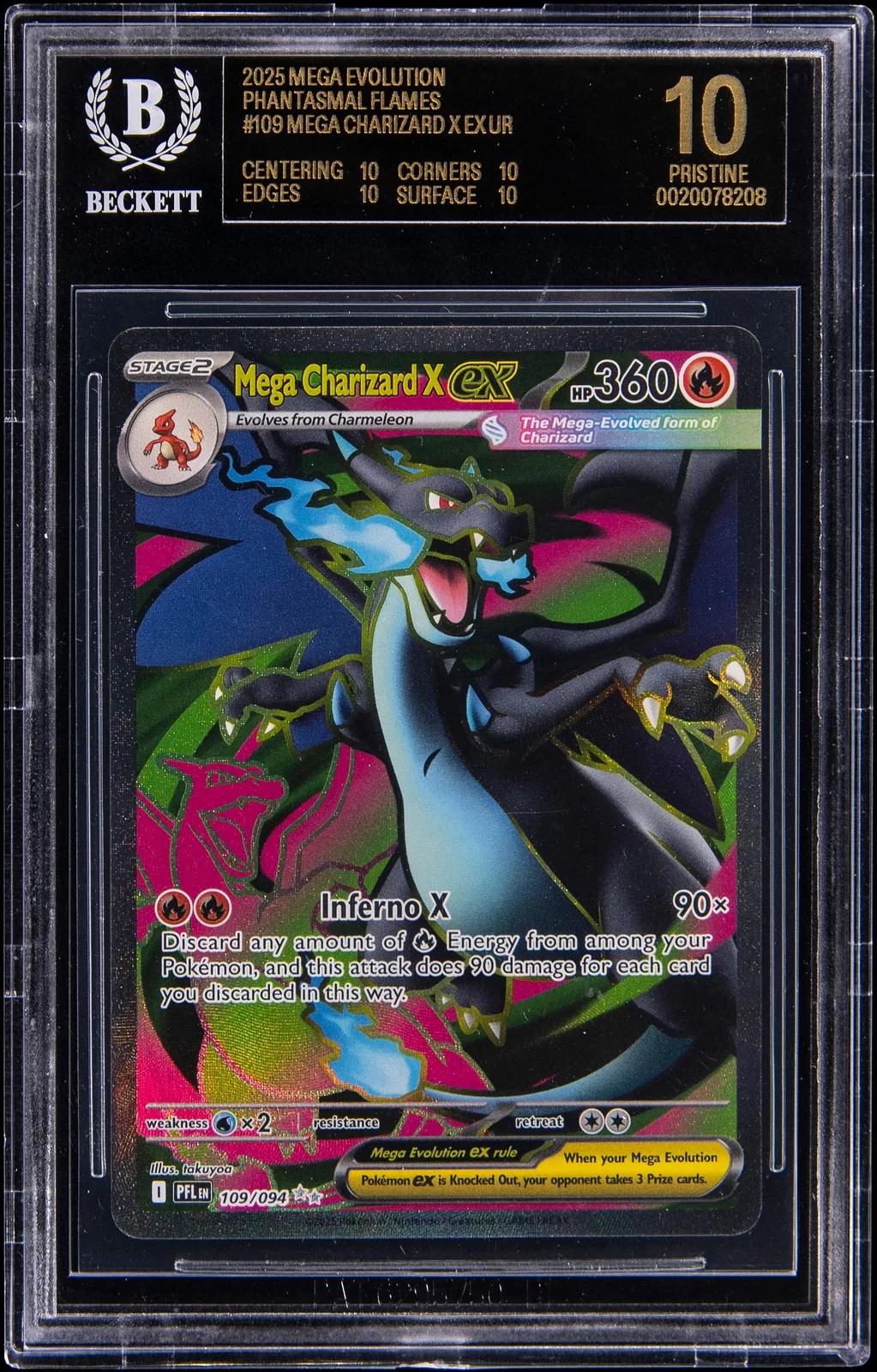

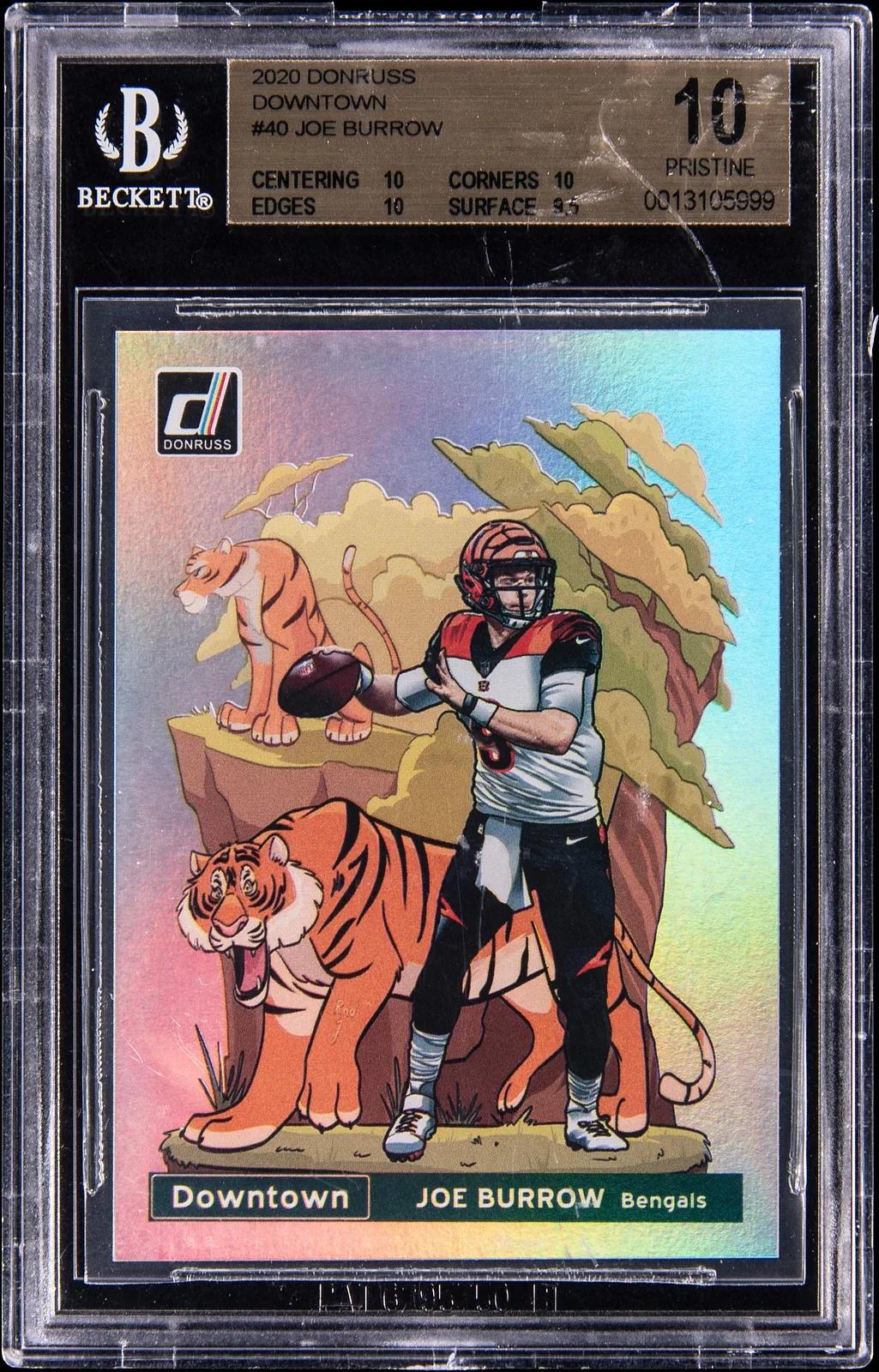
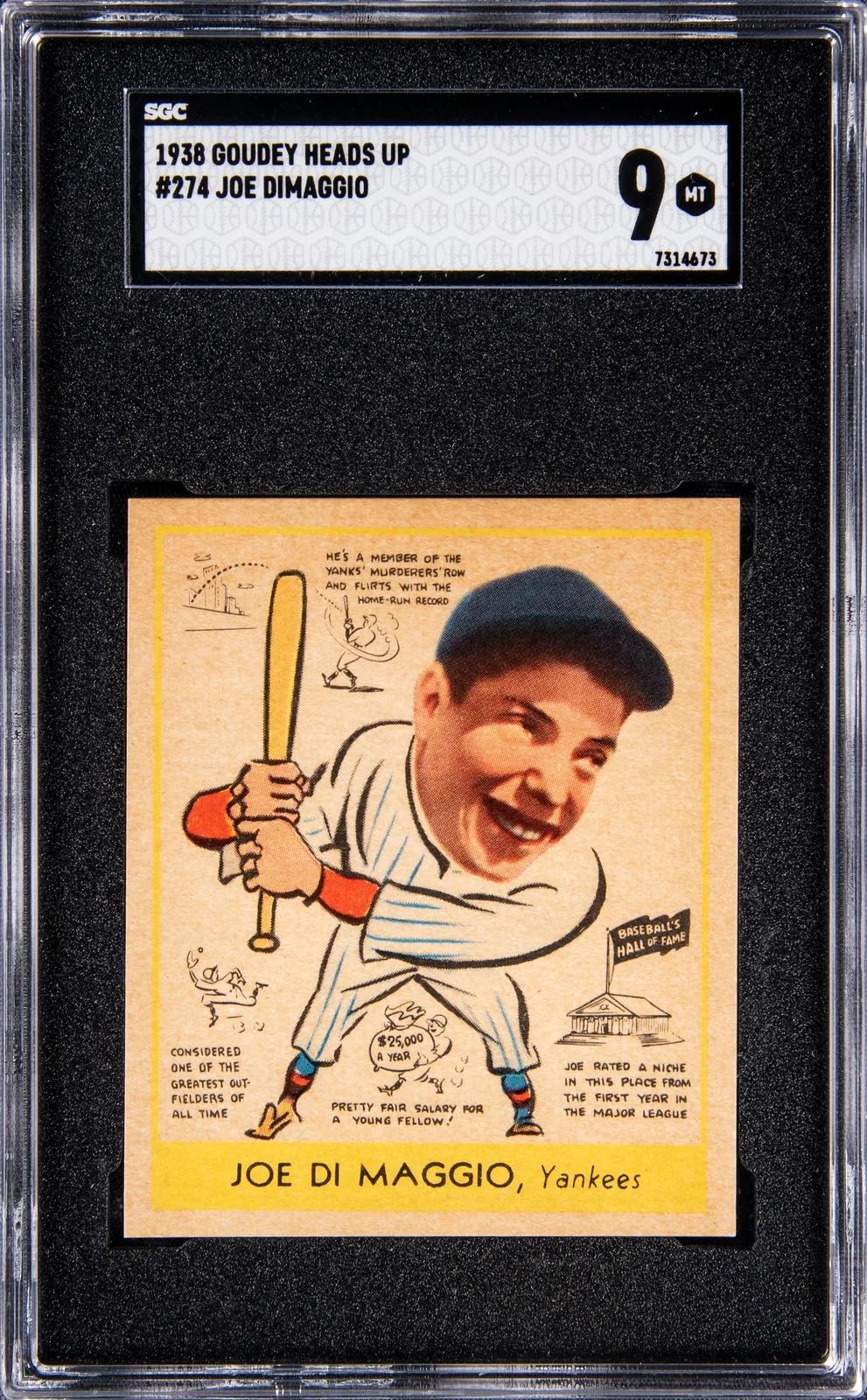
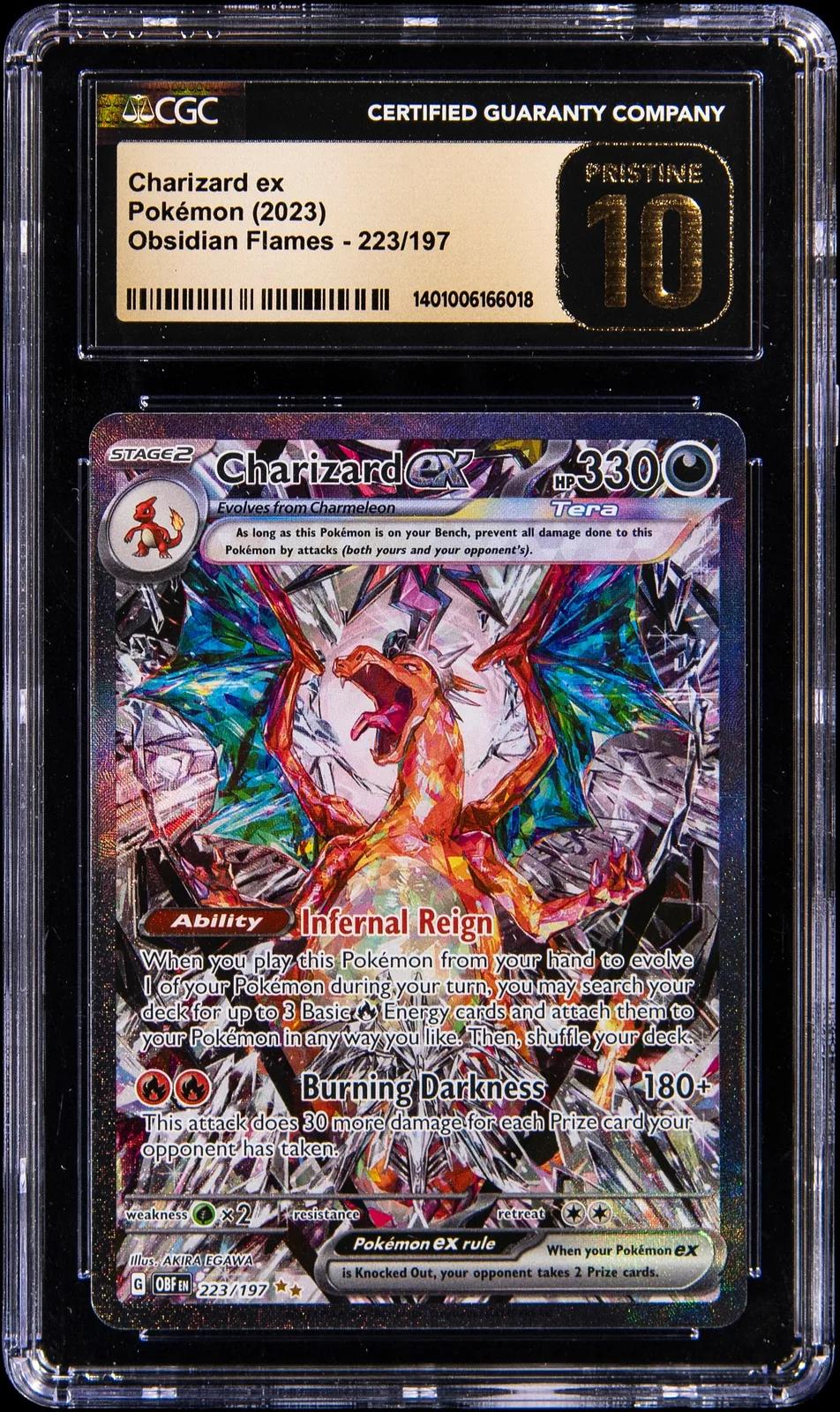
Comps keep each grader apart
A PSA 10 and a BGS 10 are not the same comp. Sales count for the grade on your slab, from the same grader.
PSA 10
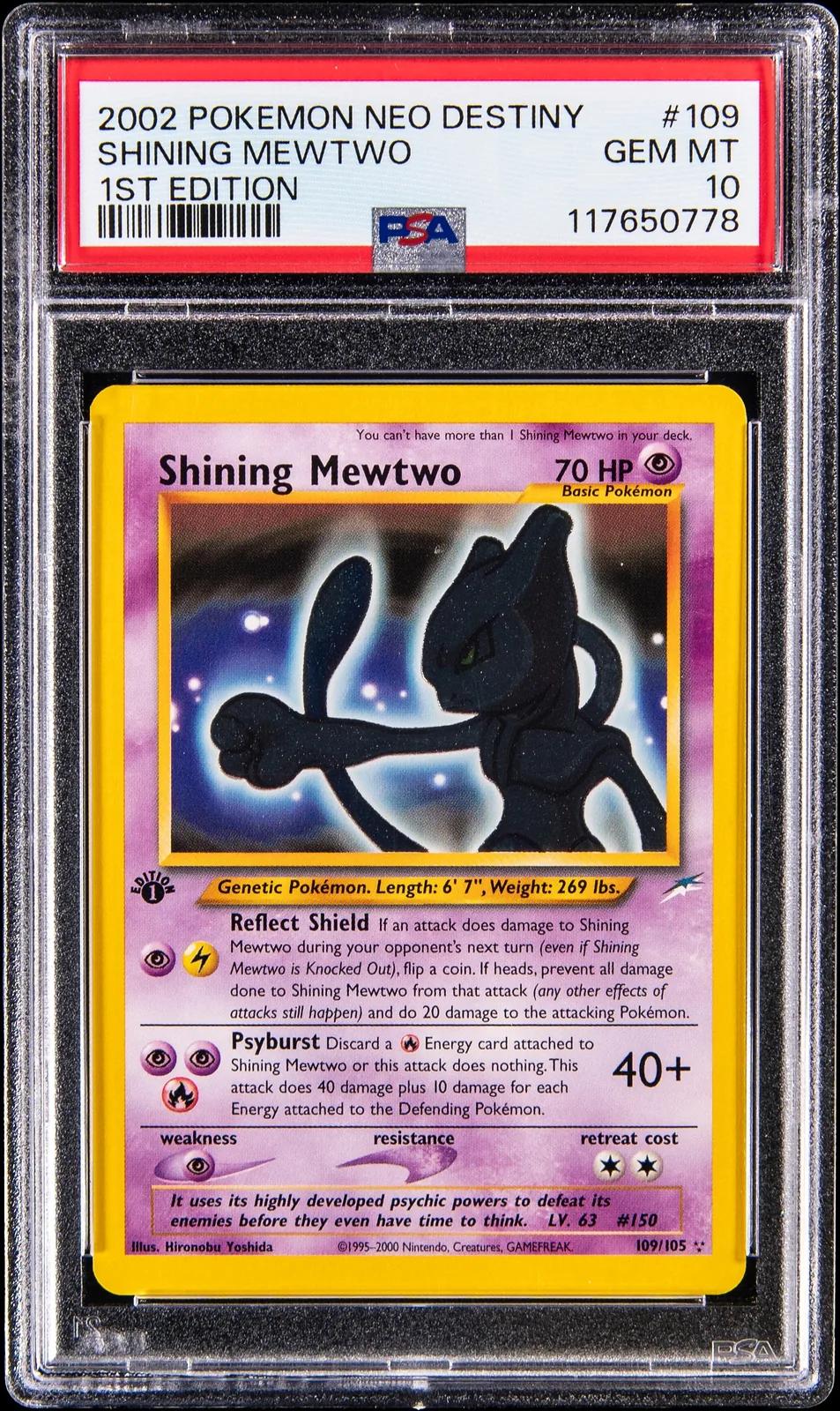
Shining Mewtwo
Comps on both sides of the table
The same sold prices, read for different decisions.
Price the case before a show
Set each ask from the median of the exact grade, then print the tags from the same record.
Make an offer on a collection
Check each card’s sales while you build the offer. Market value stays apart from what you pay.
Value both sides of a trade
Each card’s newest sale sits next to the value you agree with the other side.
Market comps
Before you rely on a comp
How do I compare a card with recent sales?
Find the matched card, open its market view and choose the grade and period to compare. The sold records stay with the card, so you can check the evidence before you buy, price or trade it.
What does the Market Comps panel show?
The sold-price chart, the latest sale, median and average, low and high, and the number of sales for the view you chose. Open single sales and their marketplace record where a link is available. An empty result is not a zero value.
Are comparable sales a guaranteed card value?
No. Comps are market evidence, not an appraisal, a forecast or a guaranteed sale price. Matching, coverage, currencies and recency vary, so check the card, grade and source before you rely on a comparison.
Which period and grade should I compare?
The grade on your slab, from the same grader, and a period recent enough for the card. Choose 7 days up to a year, or all sales. Compare in one currency and look at how old the sales are.
What if a sale is for a different edition?
Leave it out. A comp counts only when year, set, number, parallel and grade match your card. A sale with the same player from another set is a different card. Find the exact card with Check certificate.
Does CaseLink set my asking price?
No. You set the sticker and minimum price on the card yourself. The sales are context for that decision, and thin data stays visibly incomplete. Set both prices in Inventory management. Pulse watches new sales for the cards you hold.