Fast mover
12 days to sell
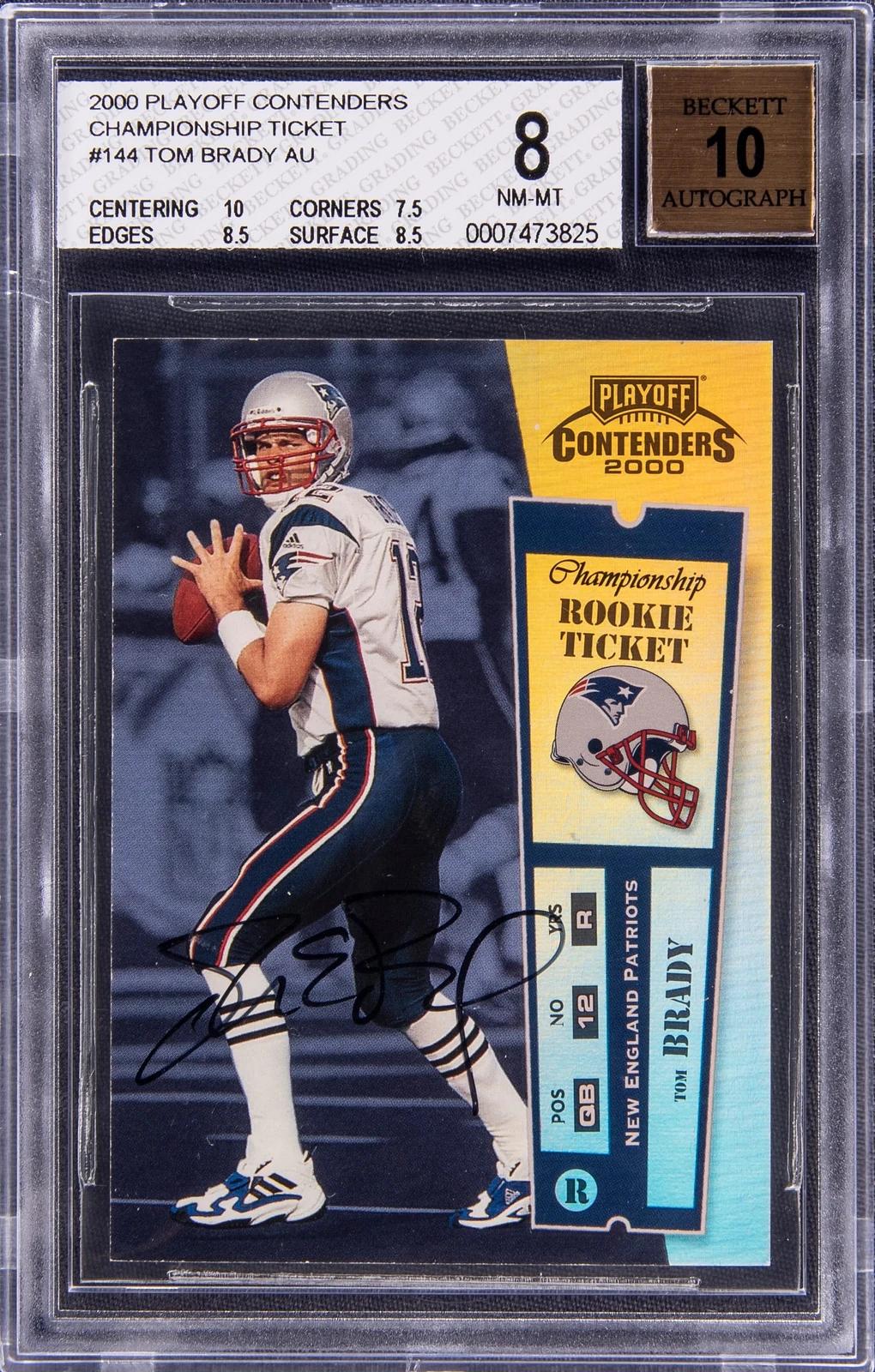
Tom Brady · 2000 Contenders Championship Ticket
- Added
- Oct 21
- Status
- Sold Nov 2
Aging reports for your sports card inventory: find older stock, open the cards and decide what to review, bring to a show or keep holding.

Counted from completed sales. Stock you still hold has its own age.
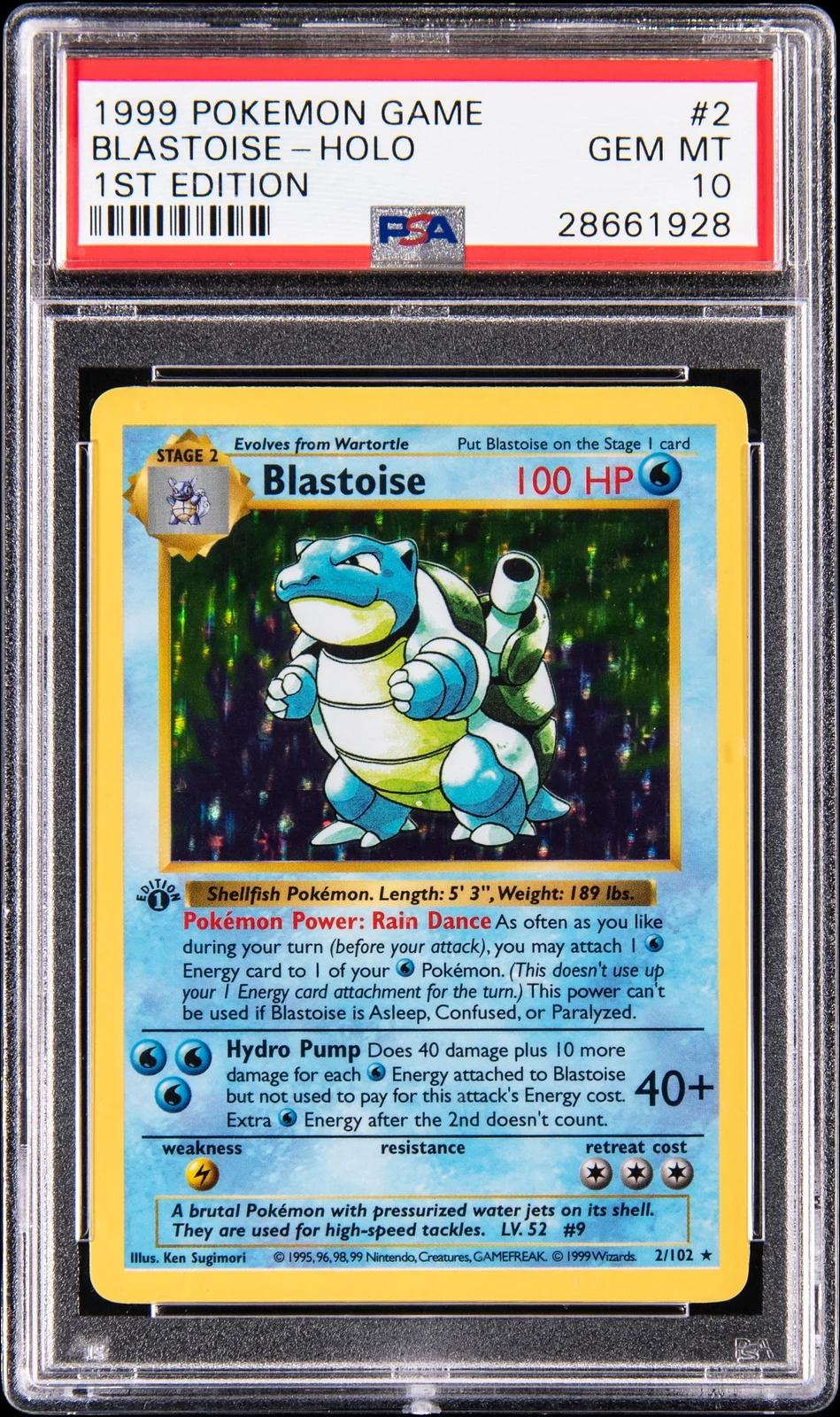
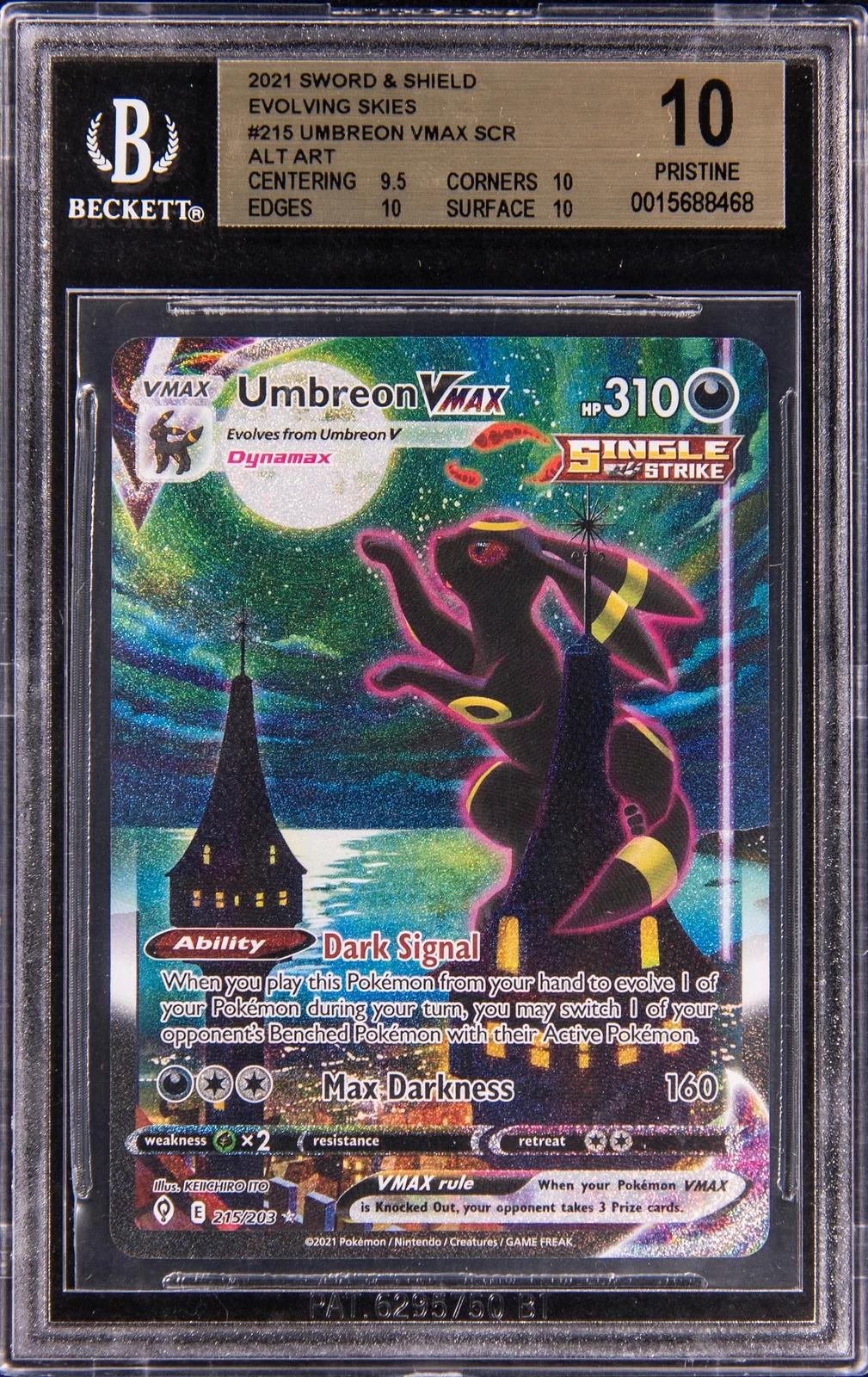
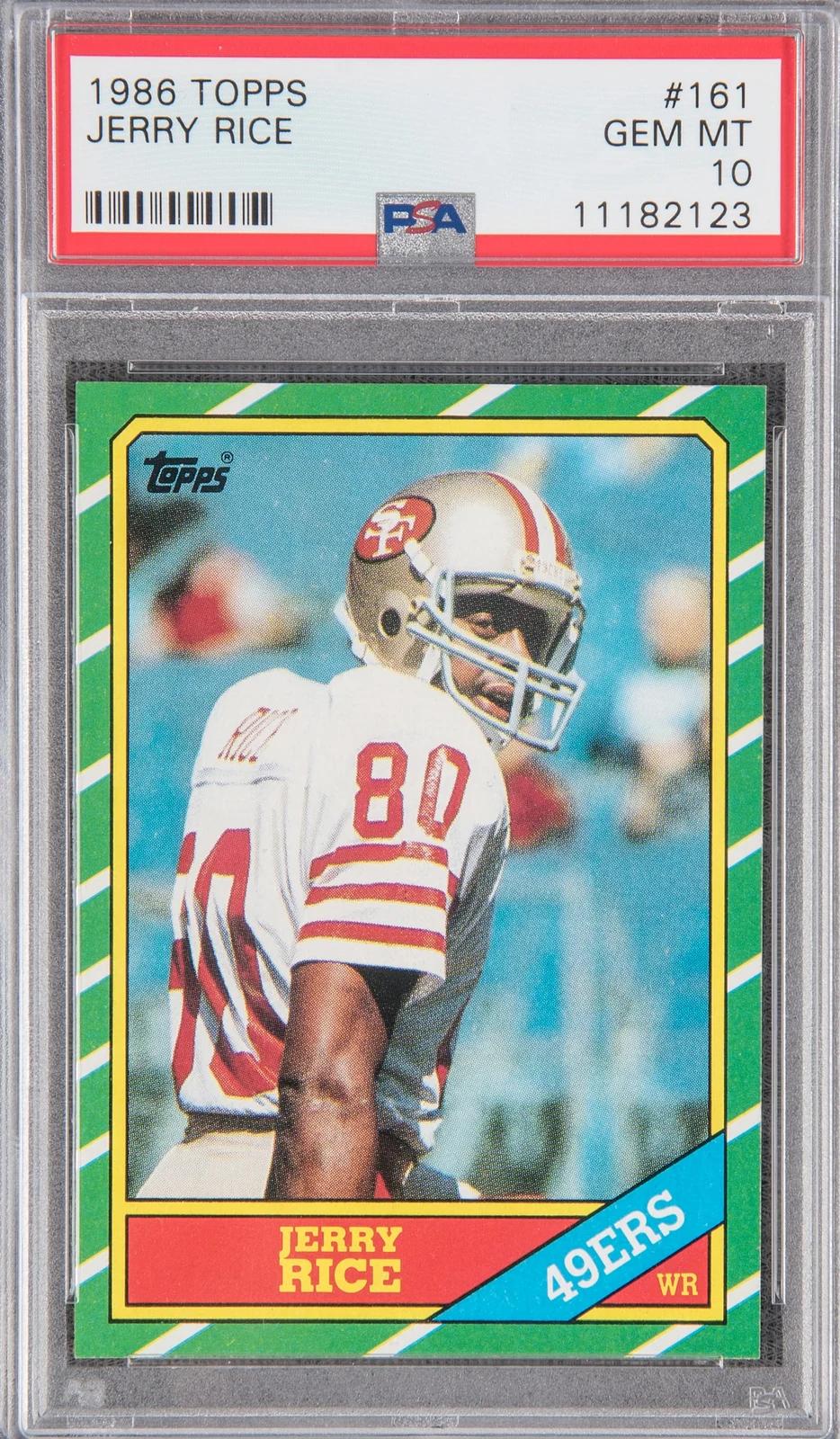

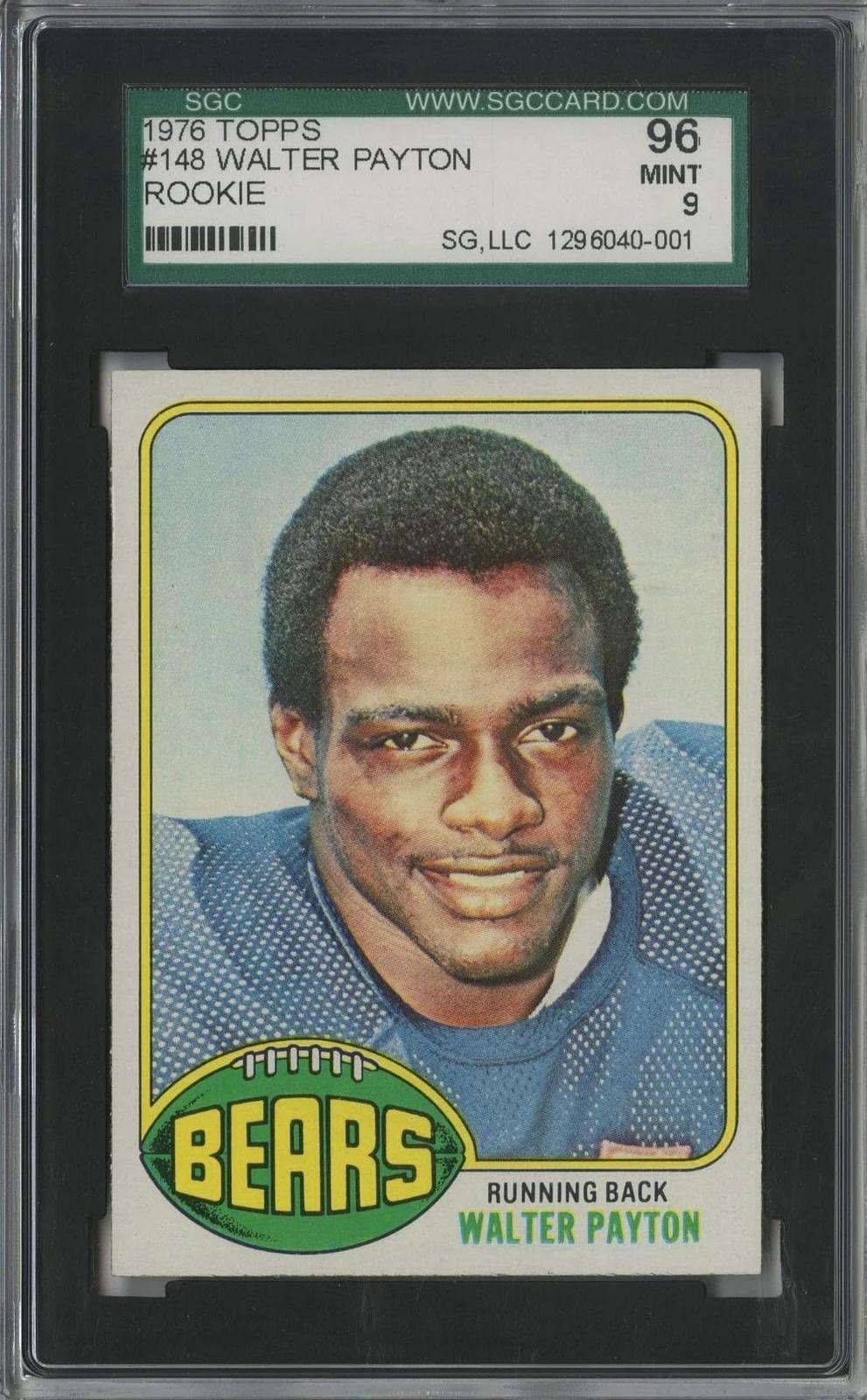
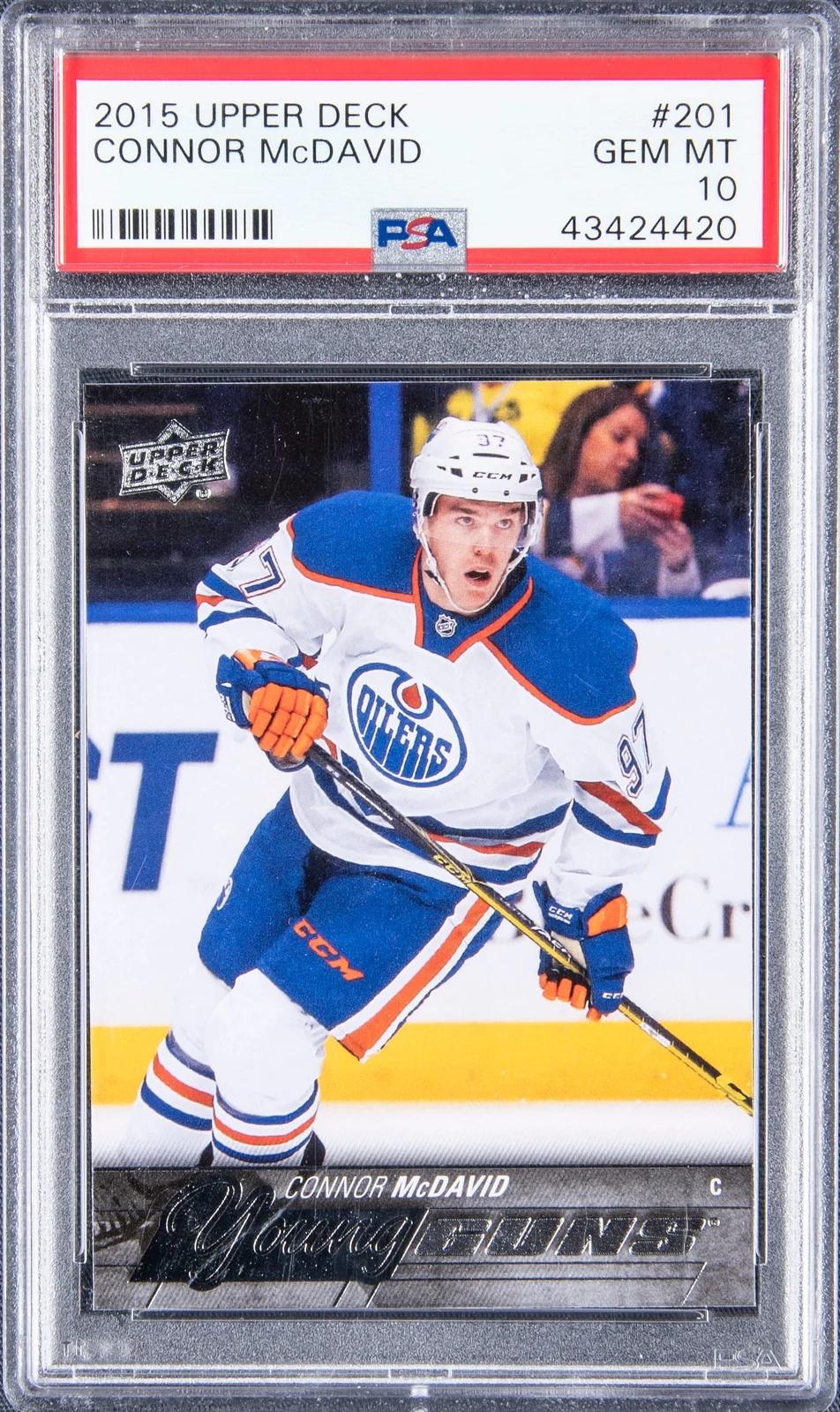

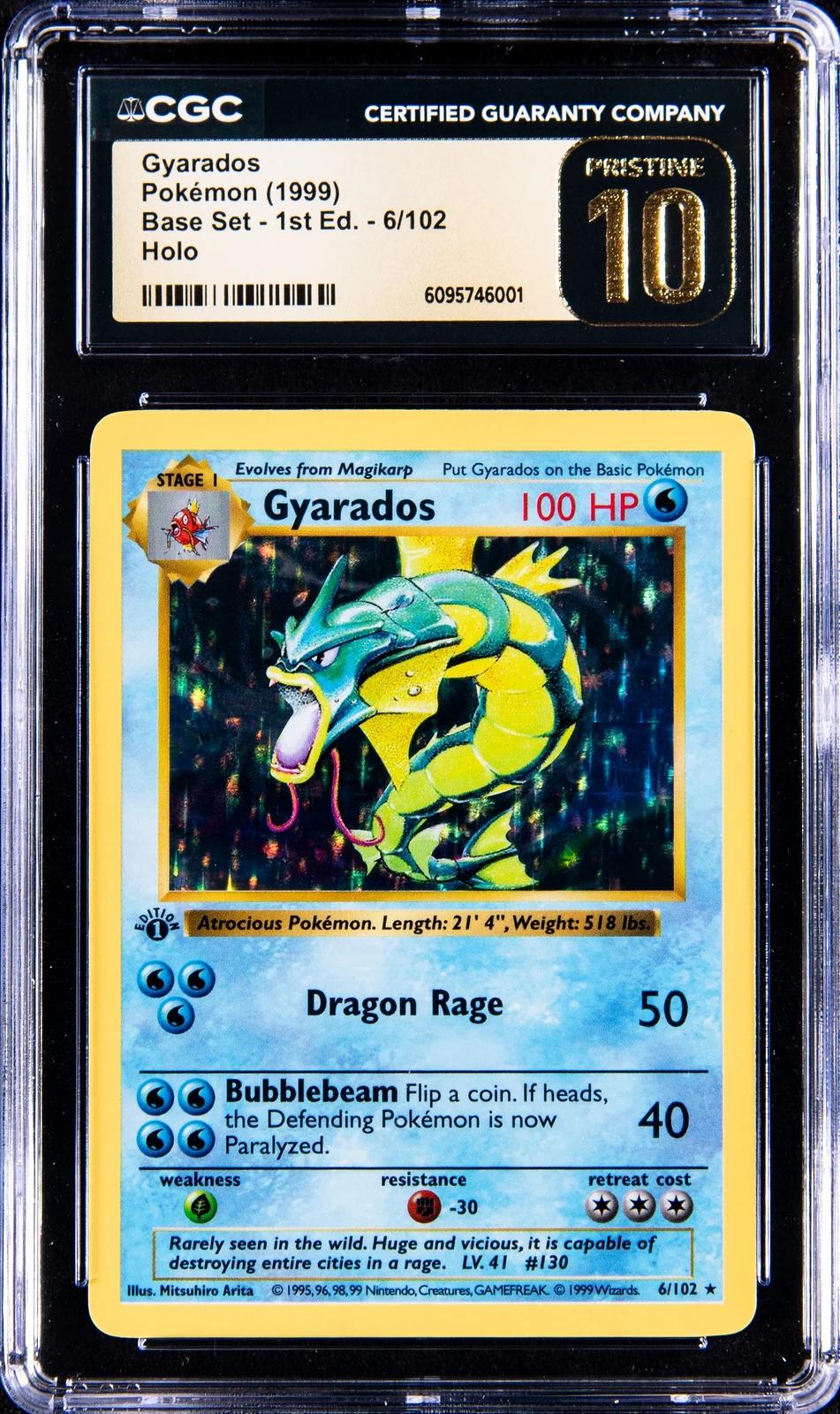
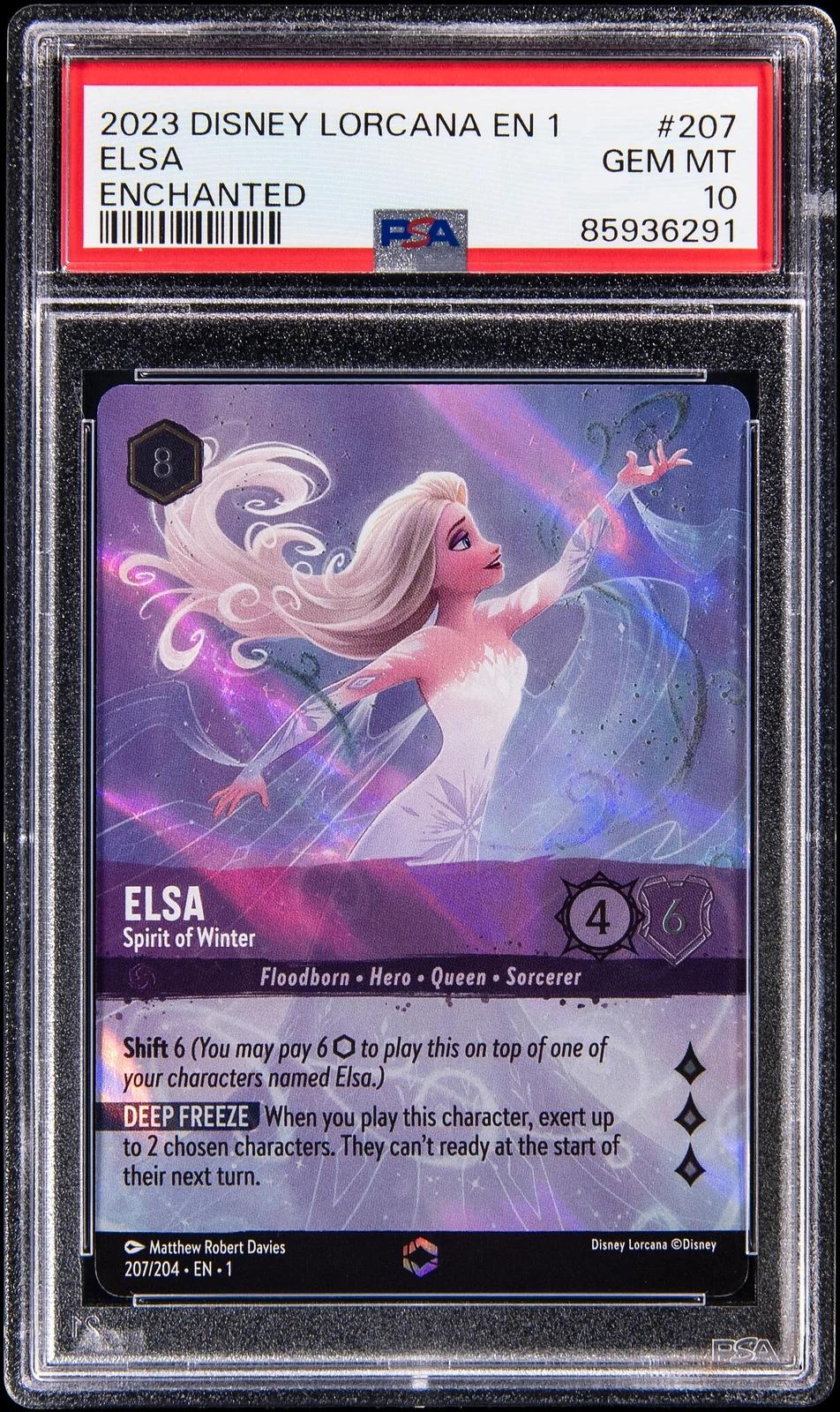
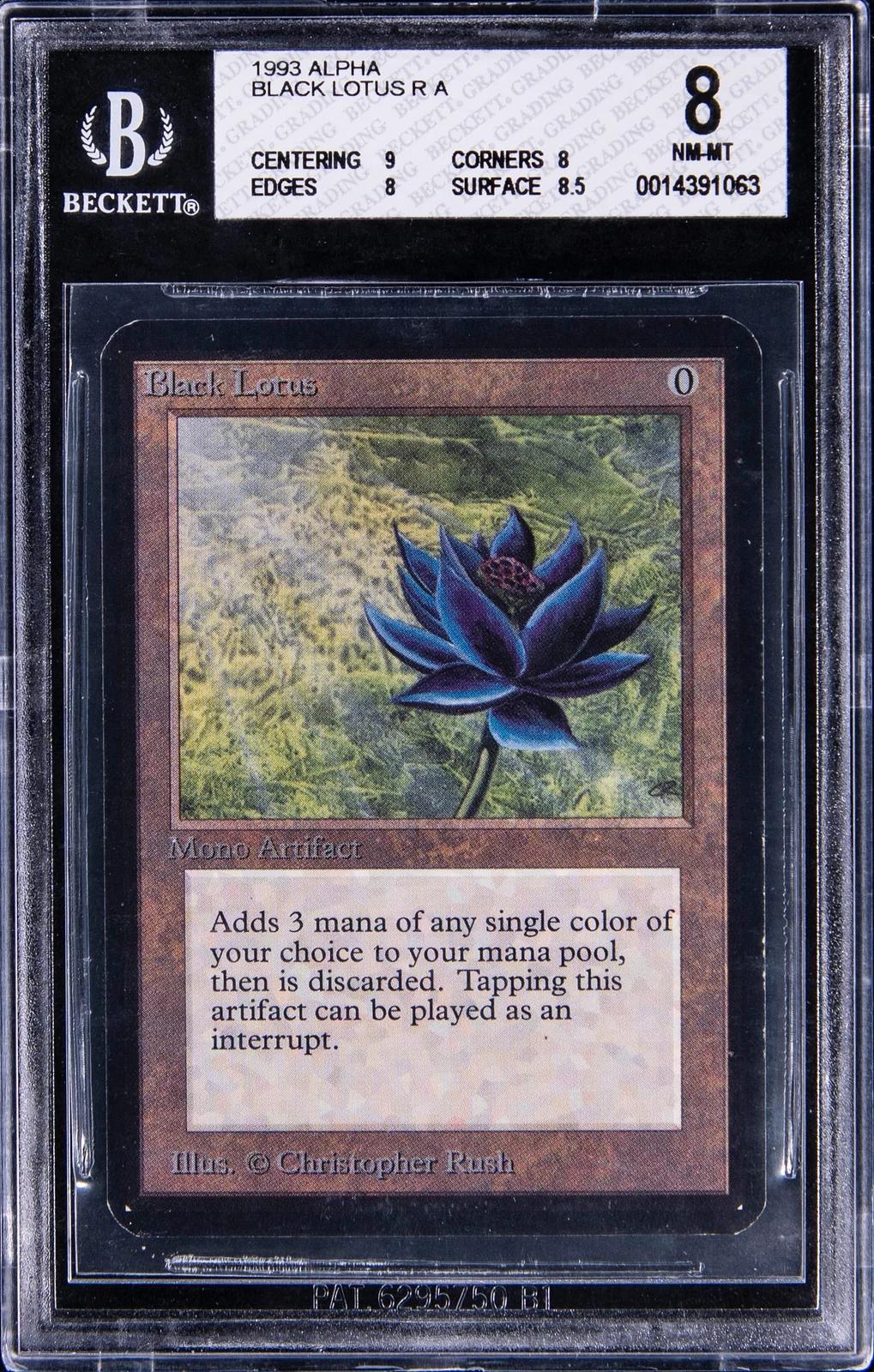
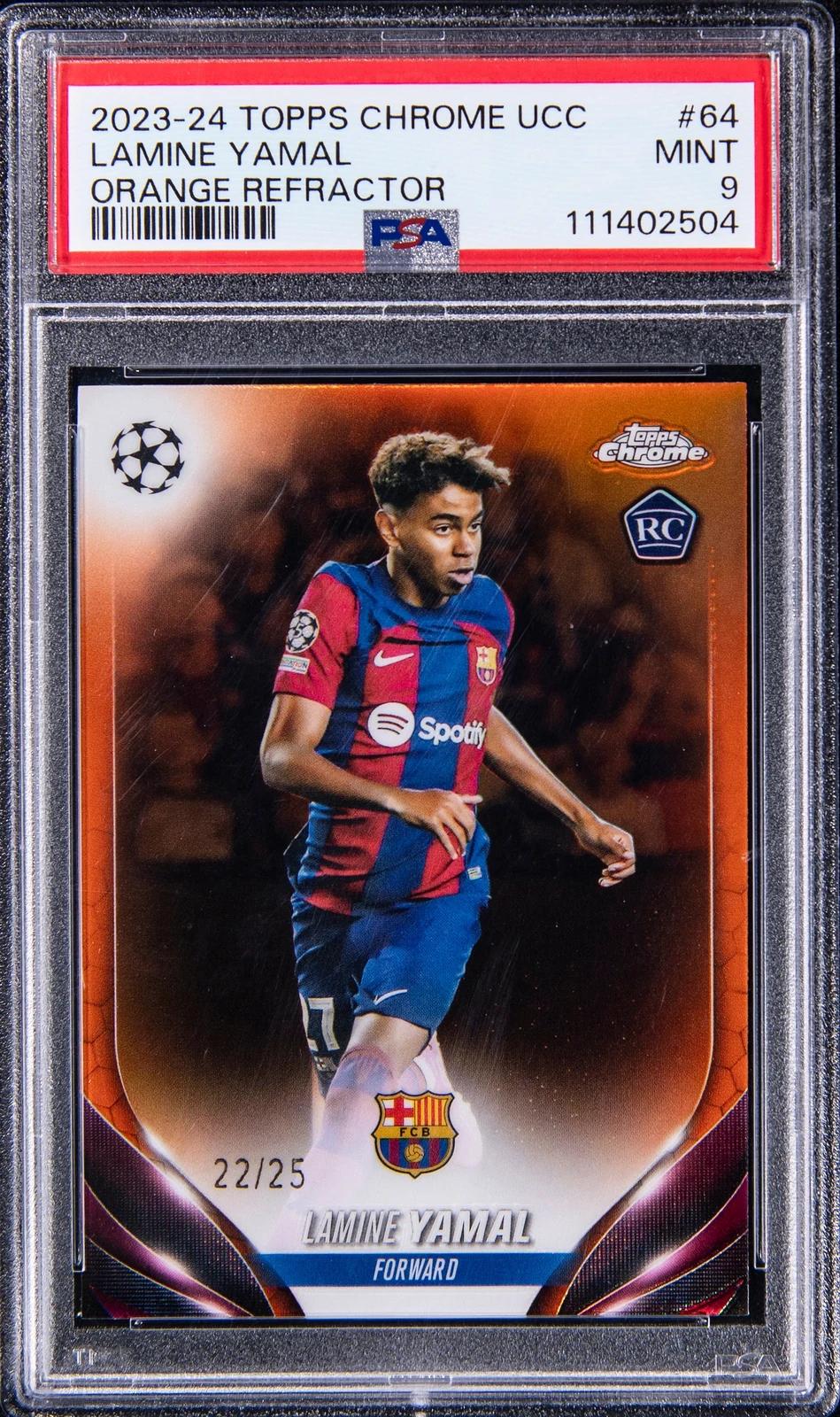
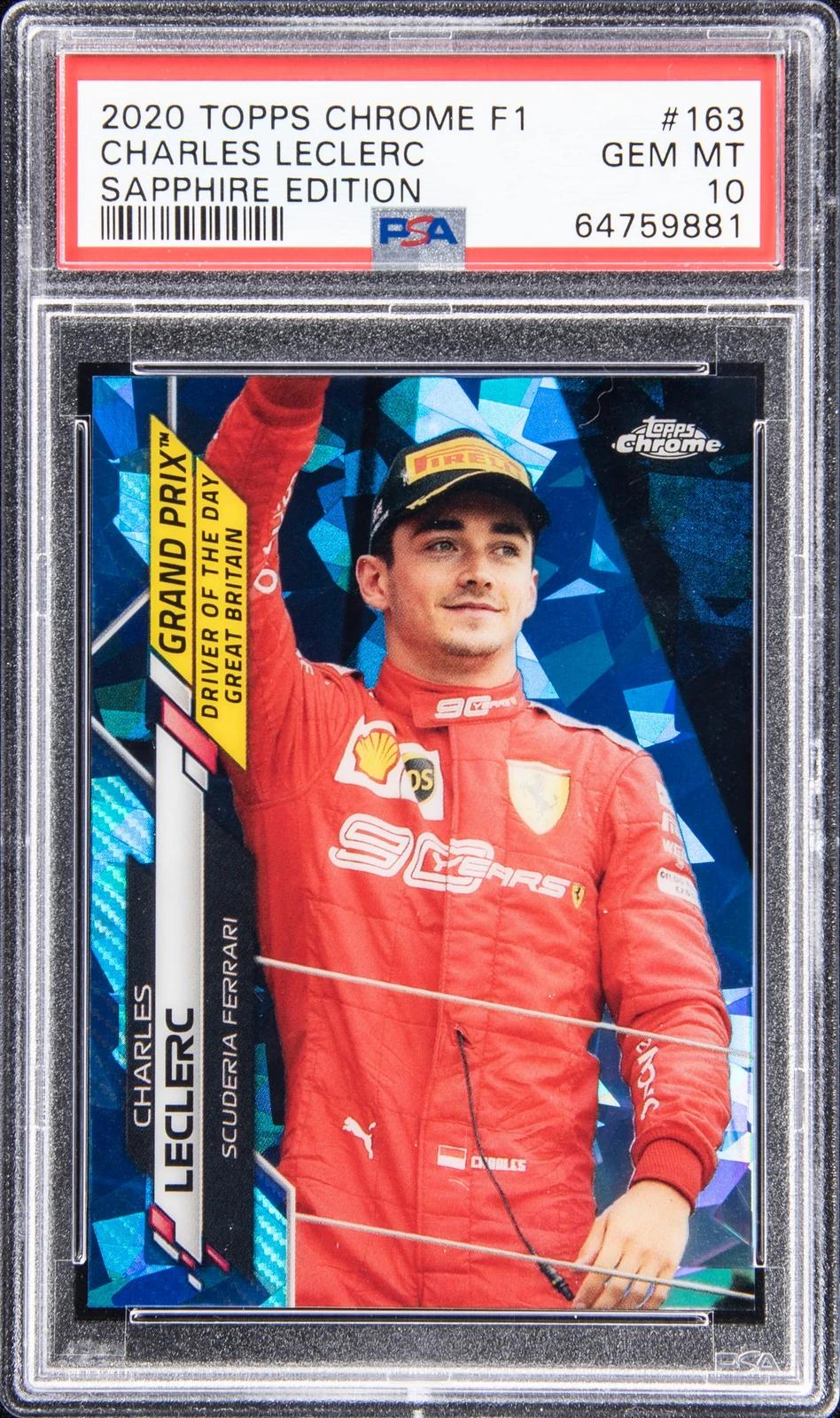
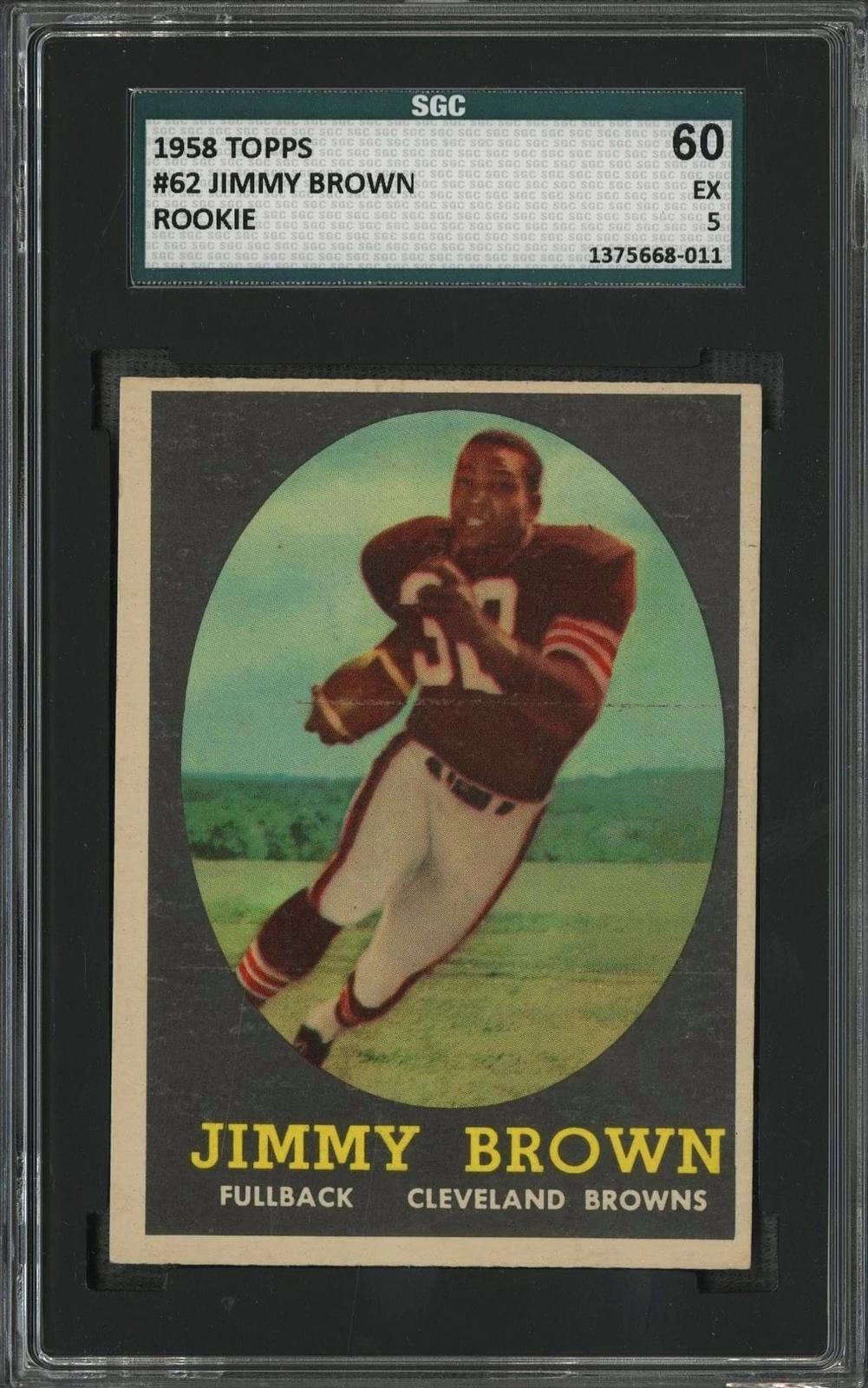
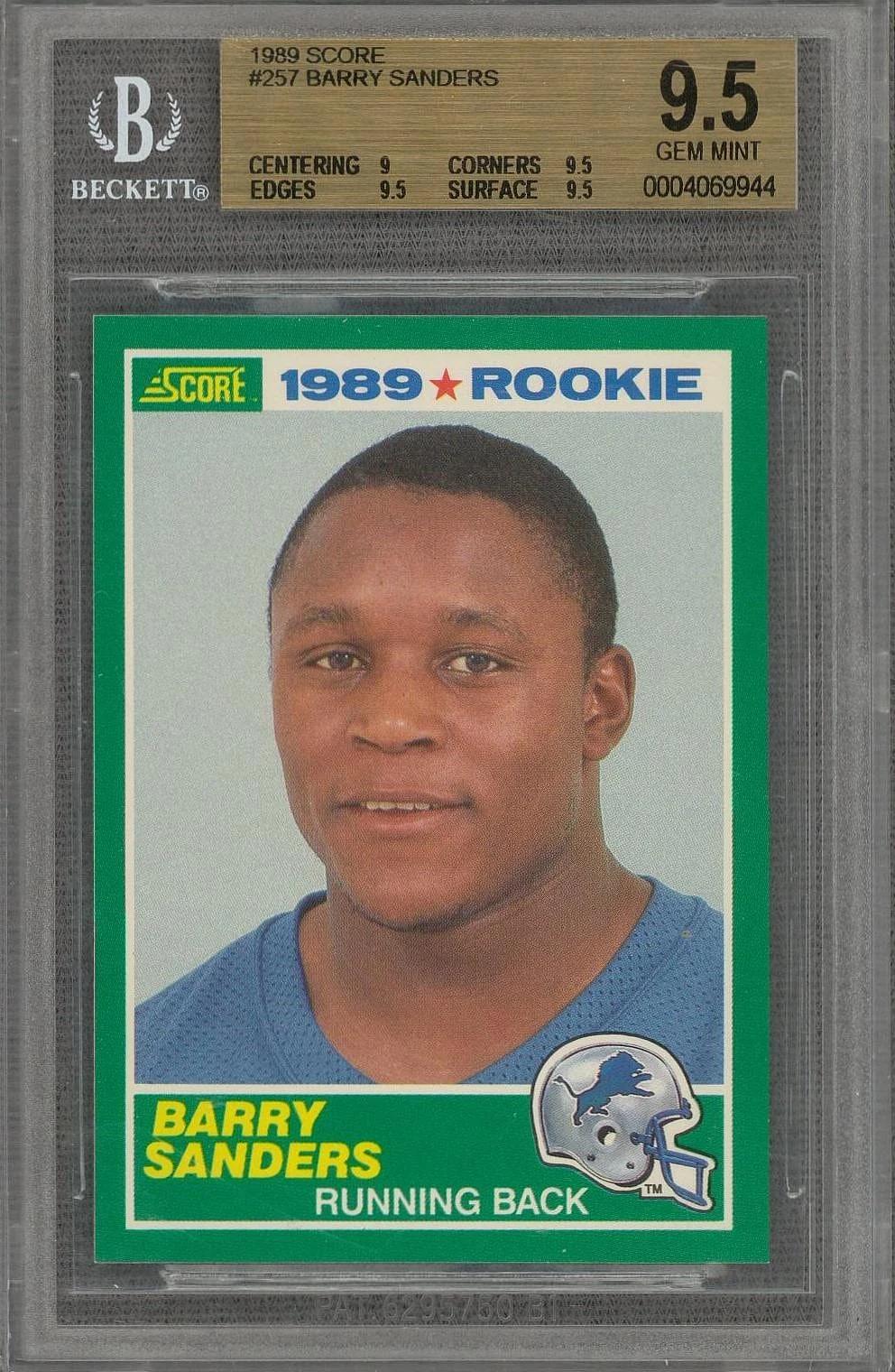
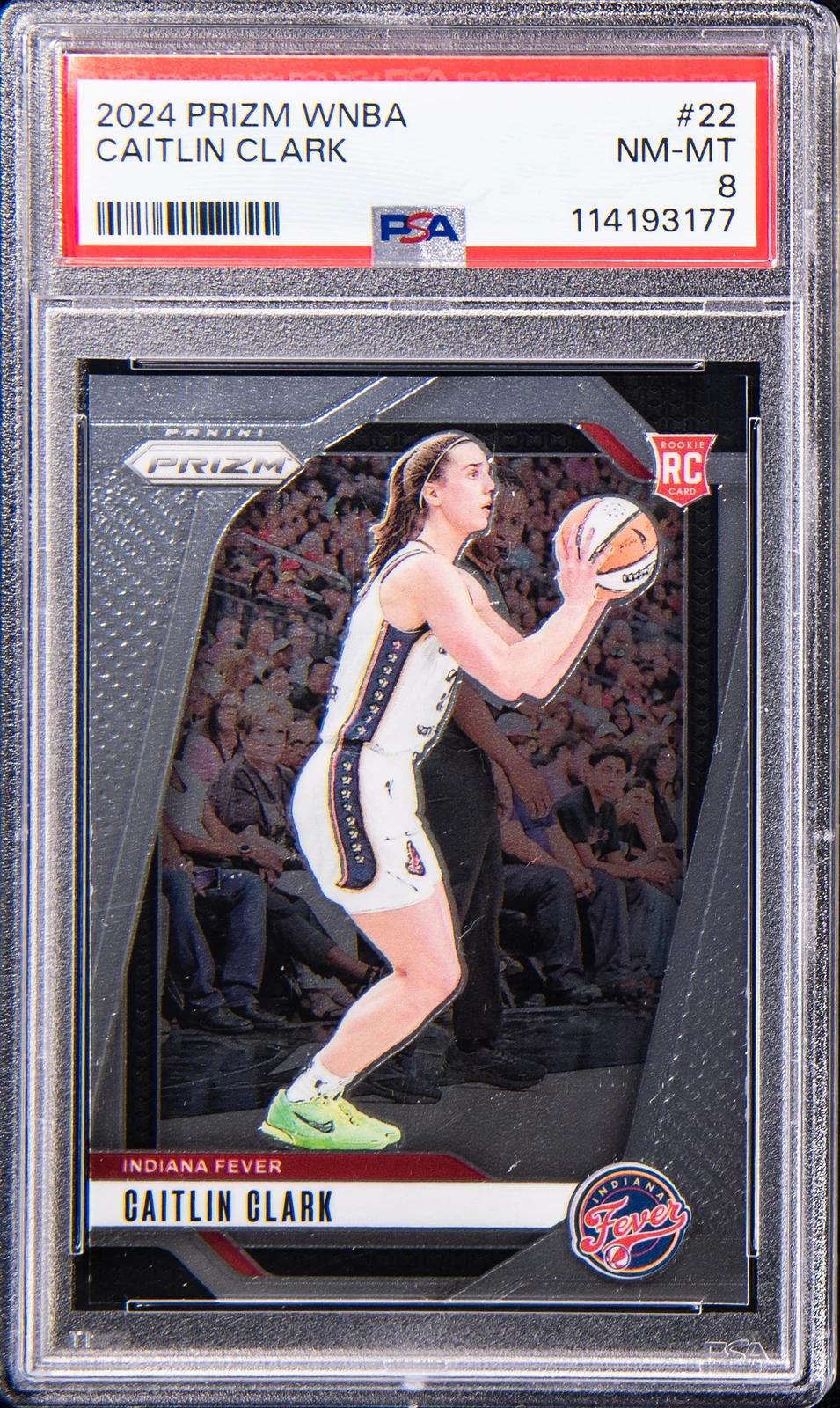
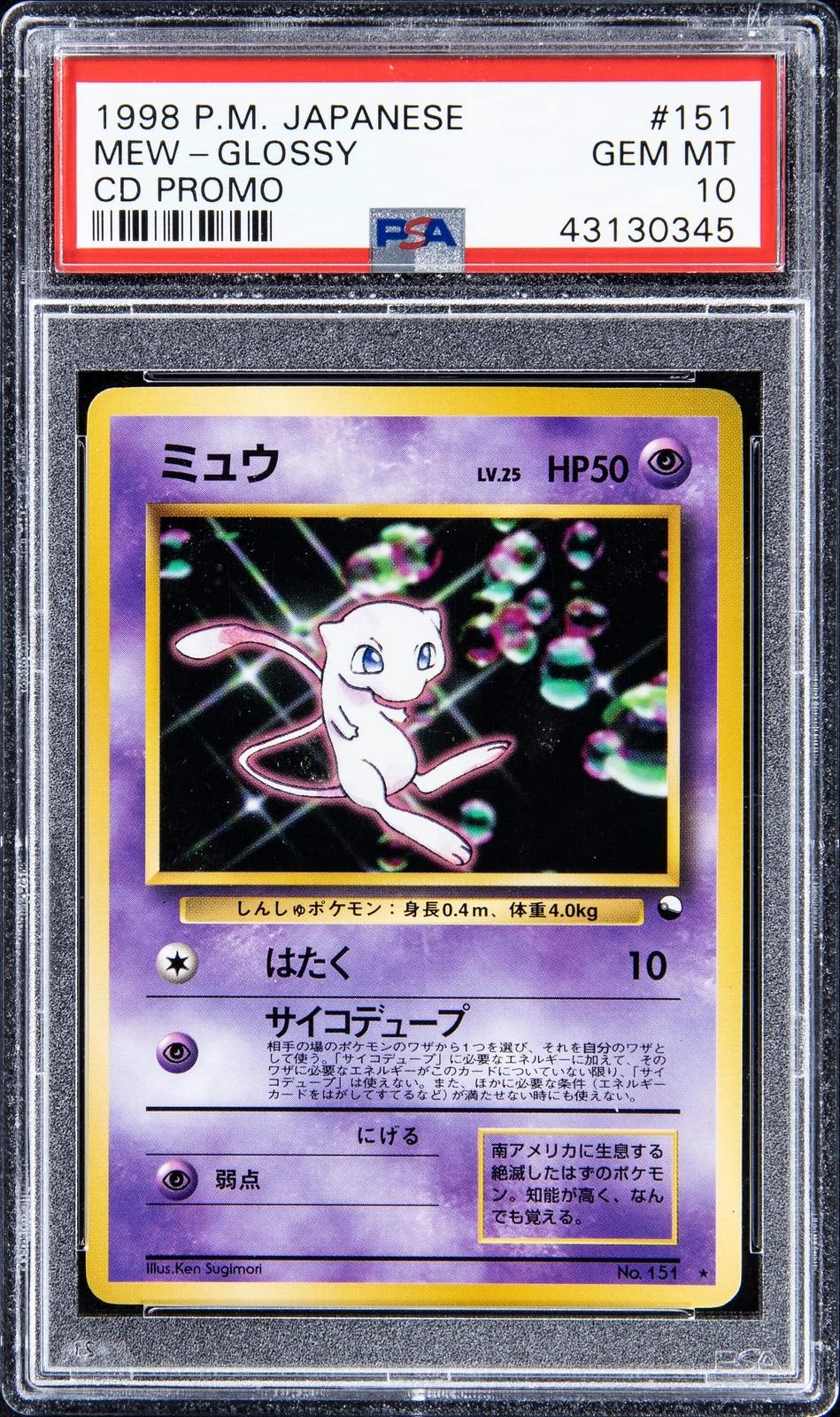
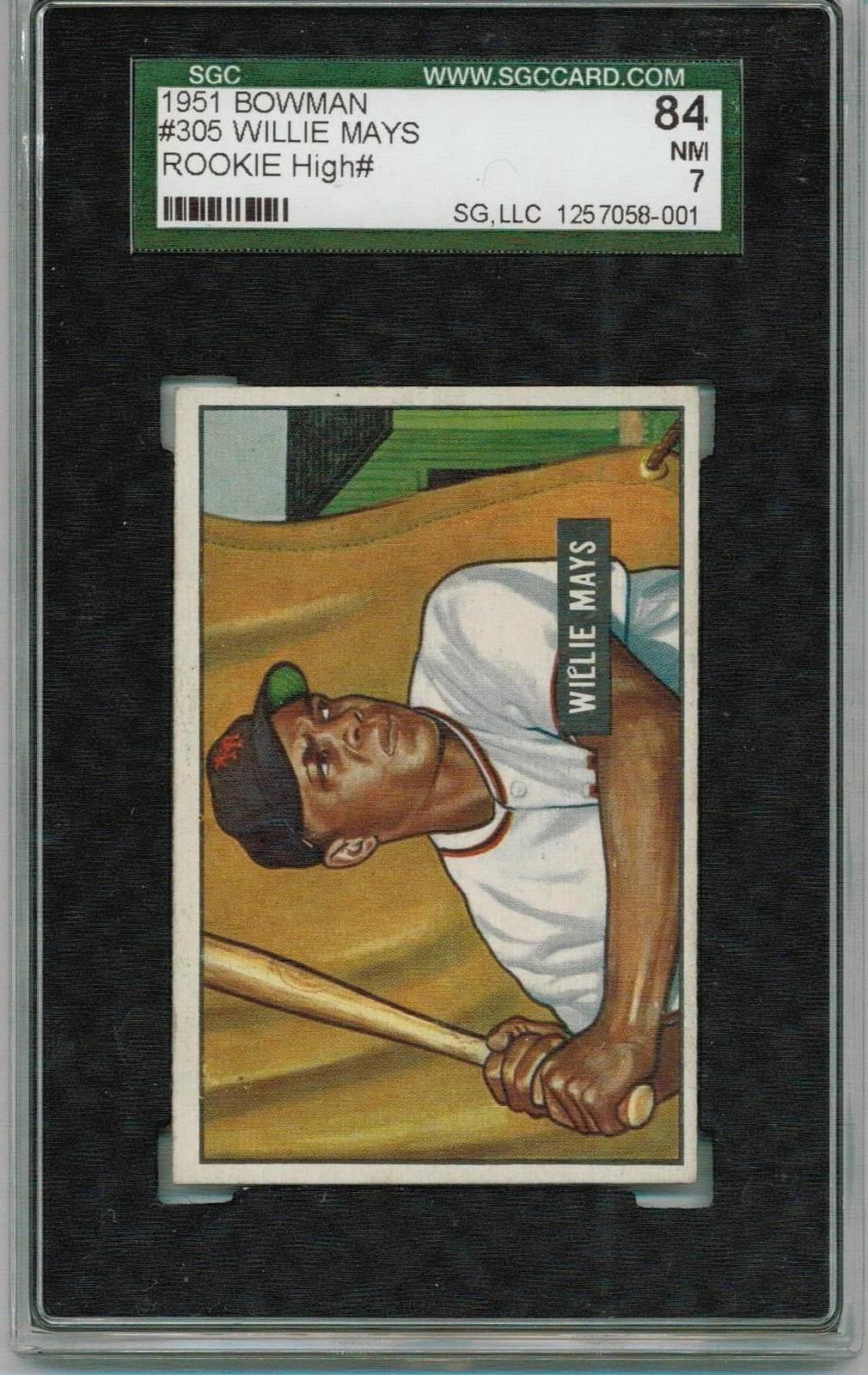
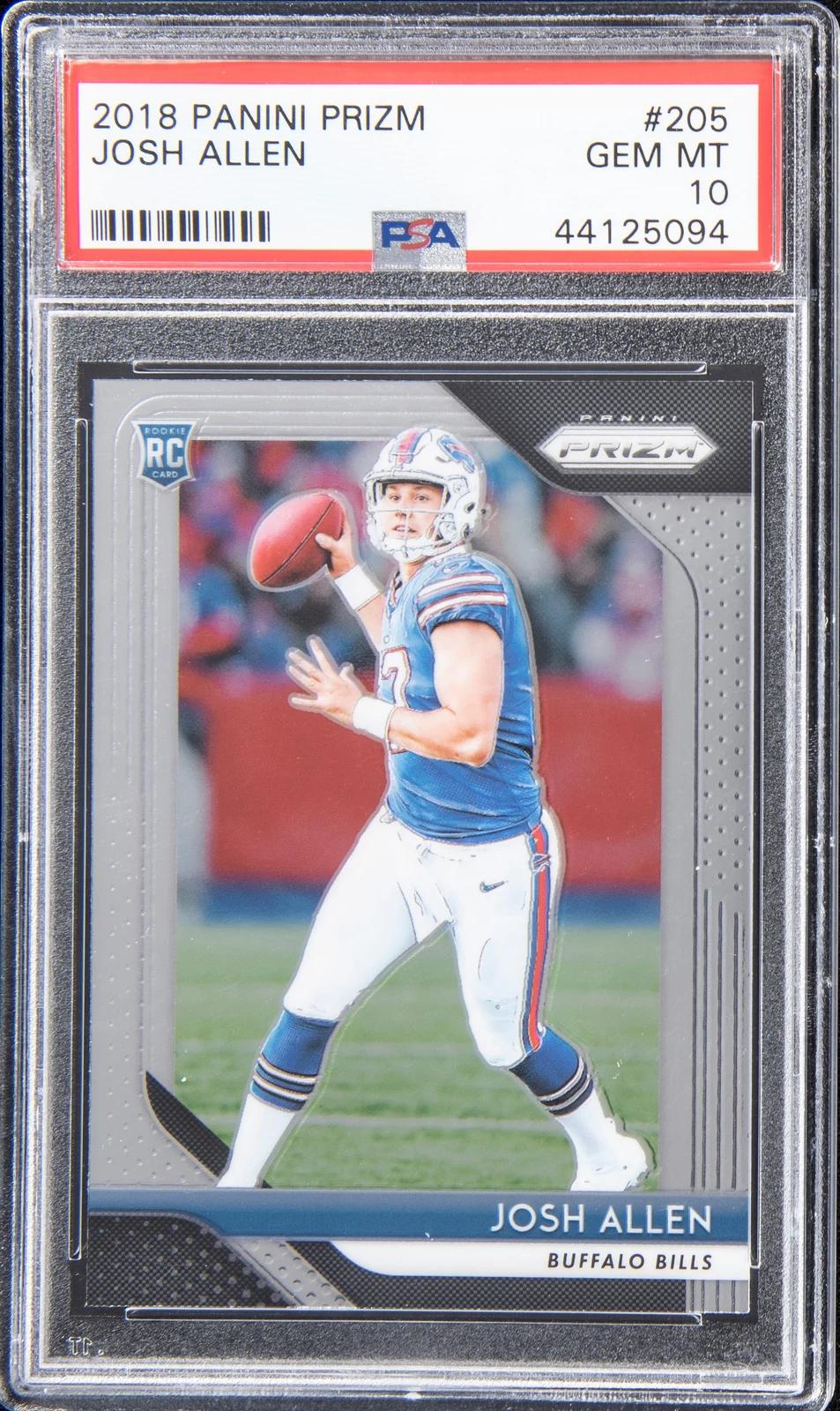
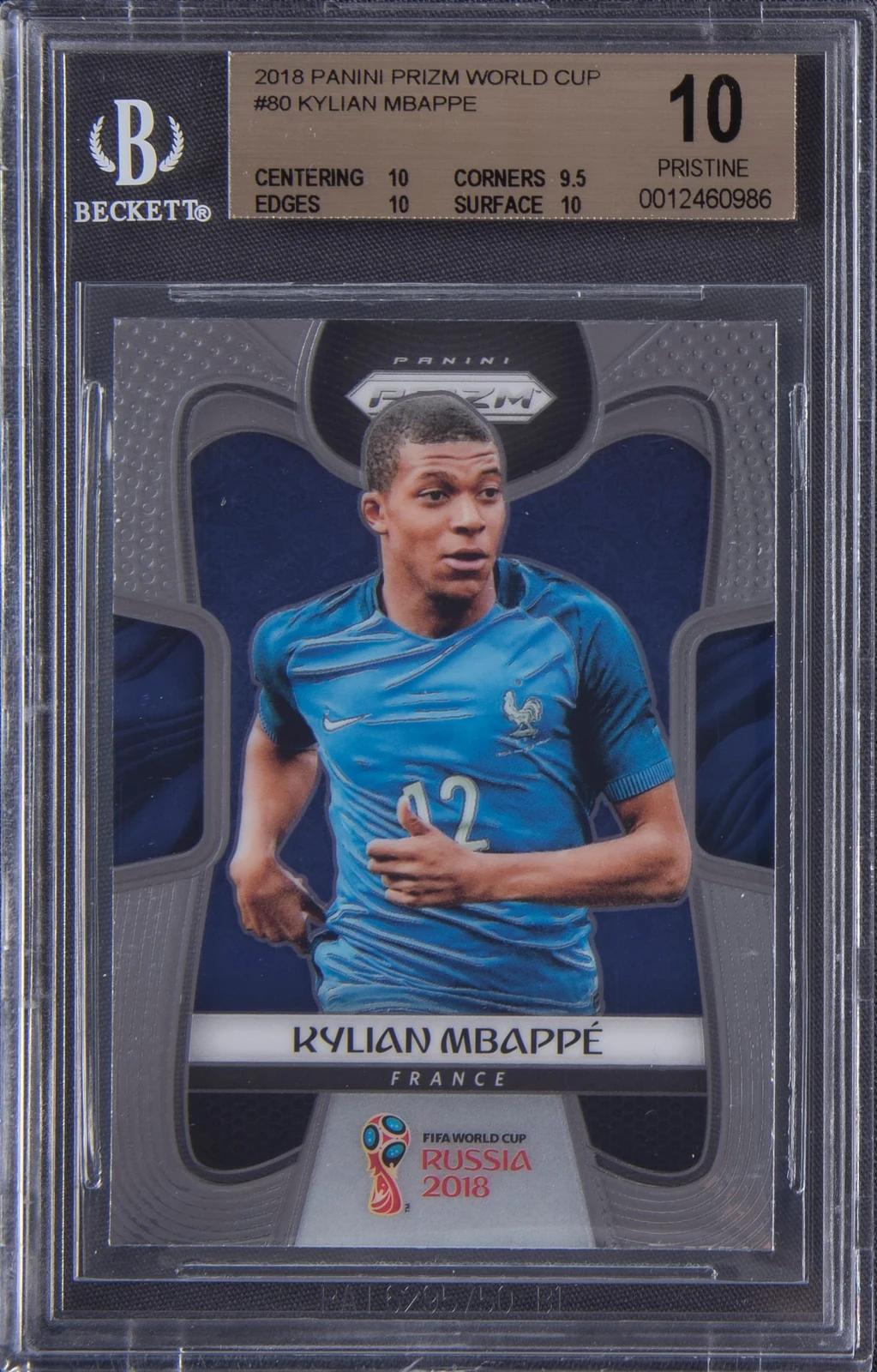
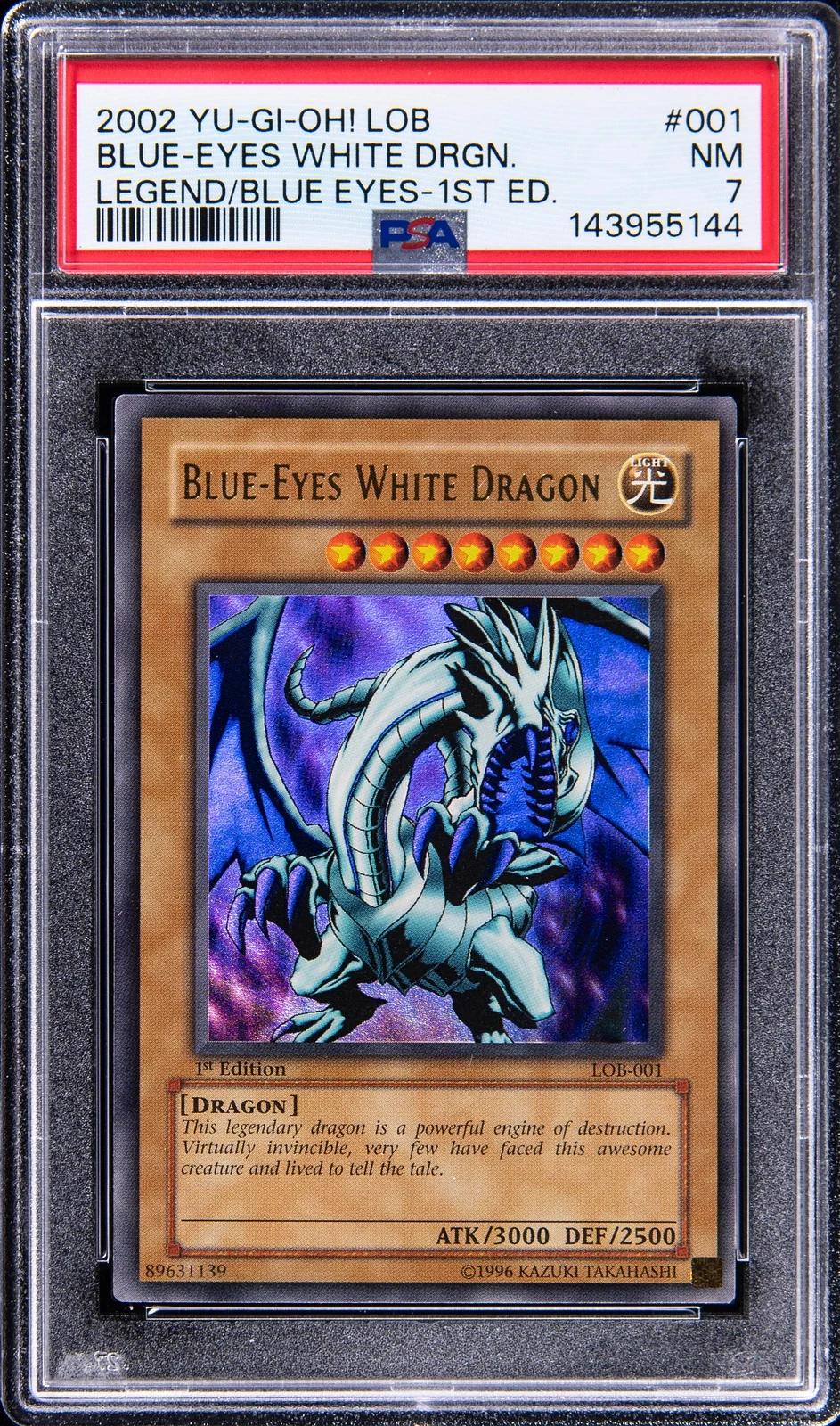
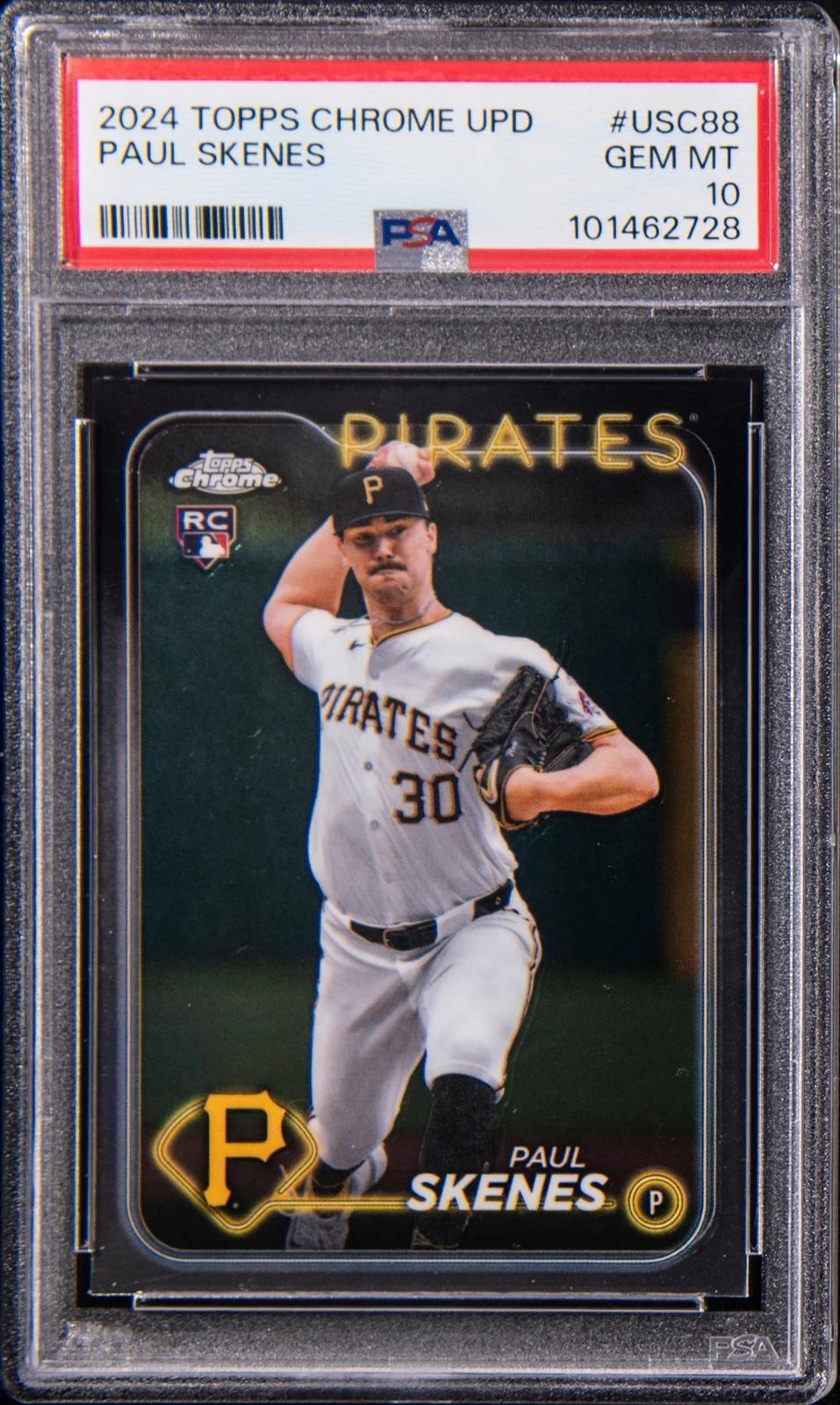
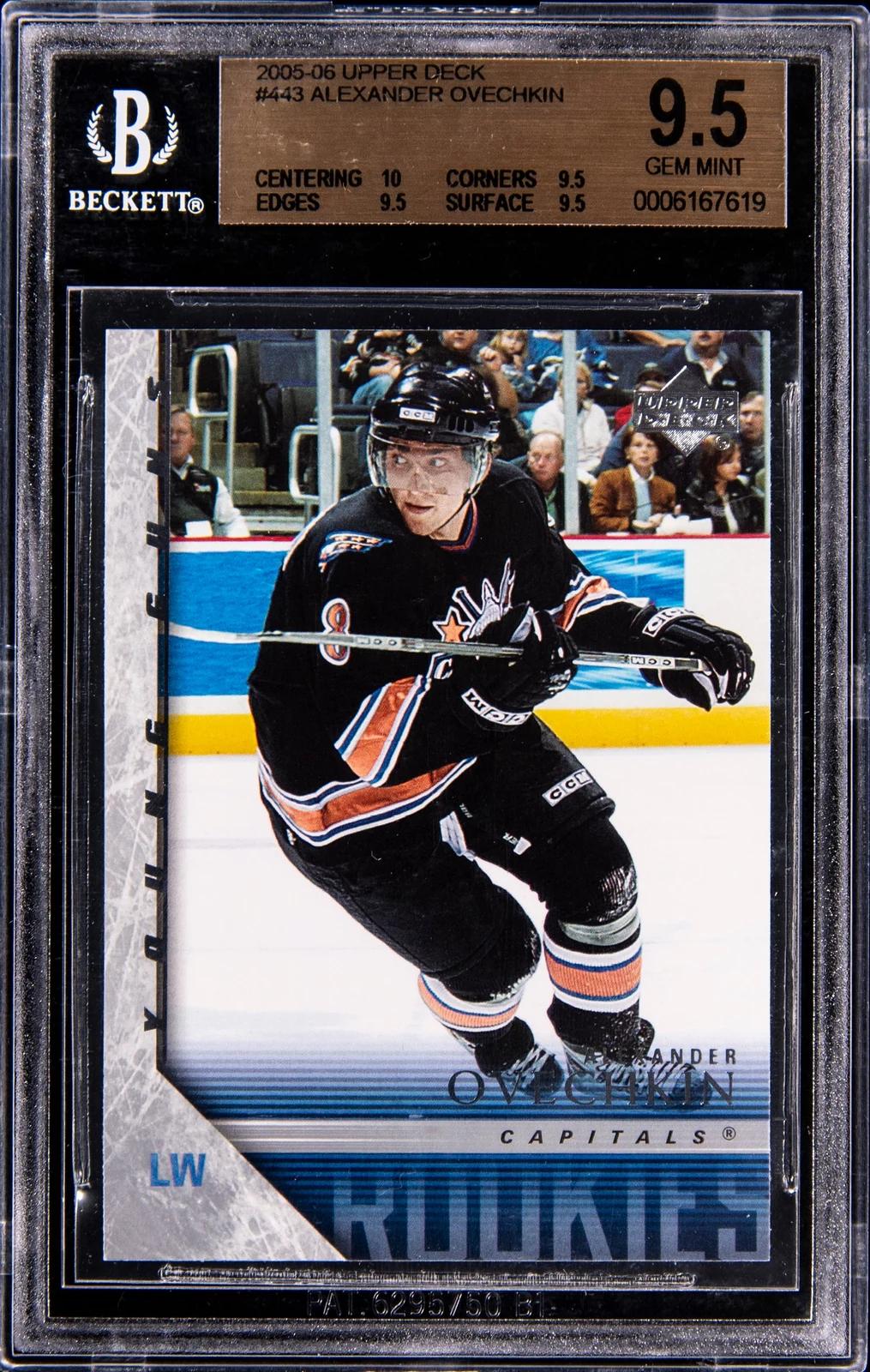
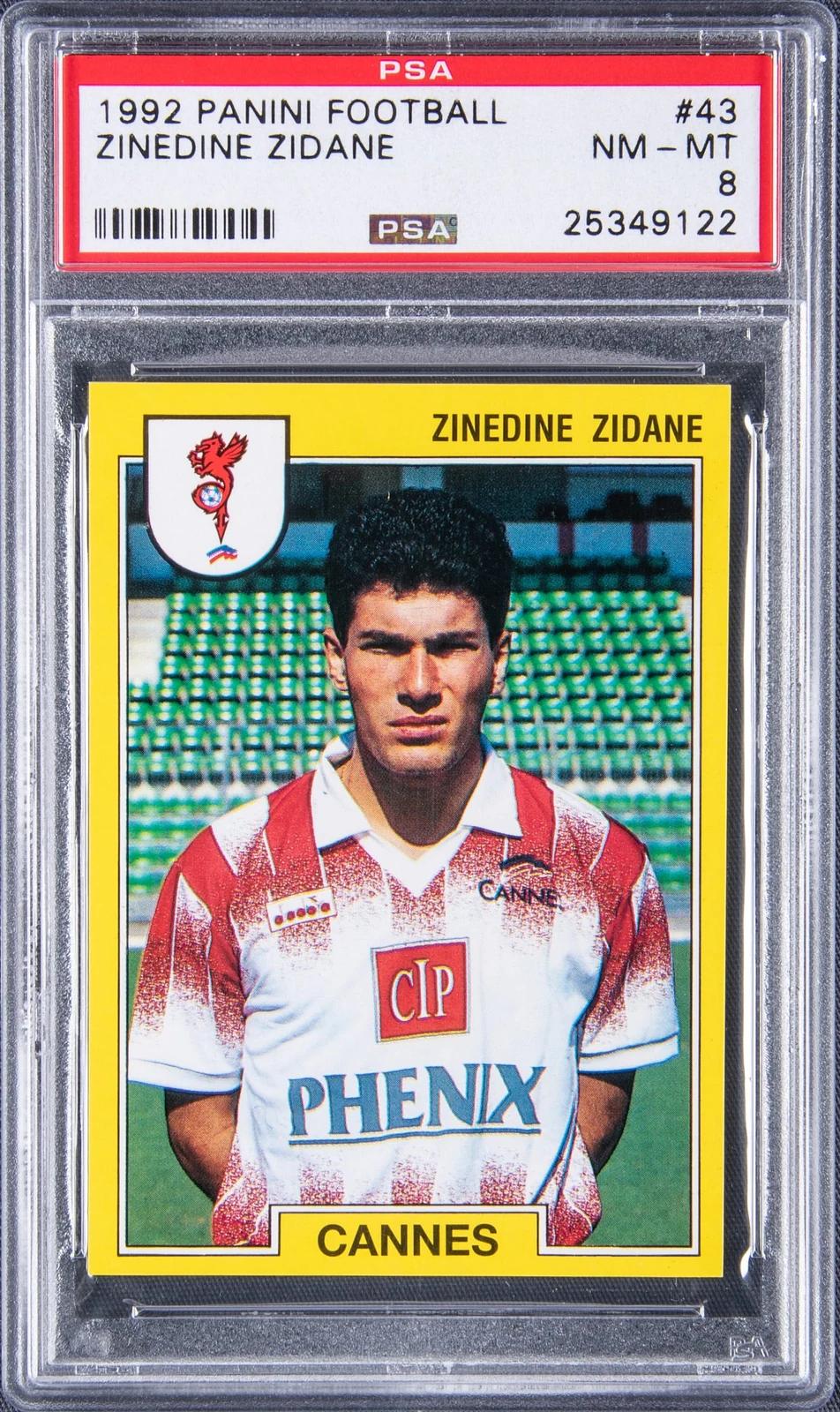
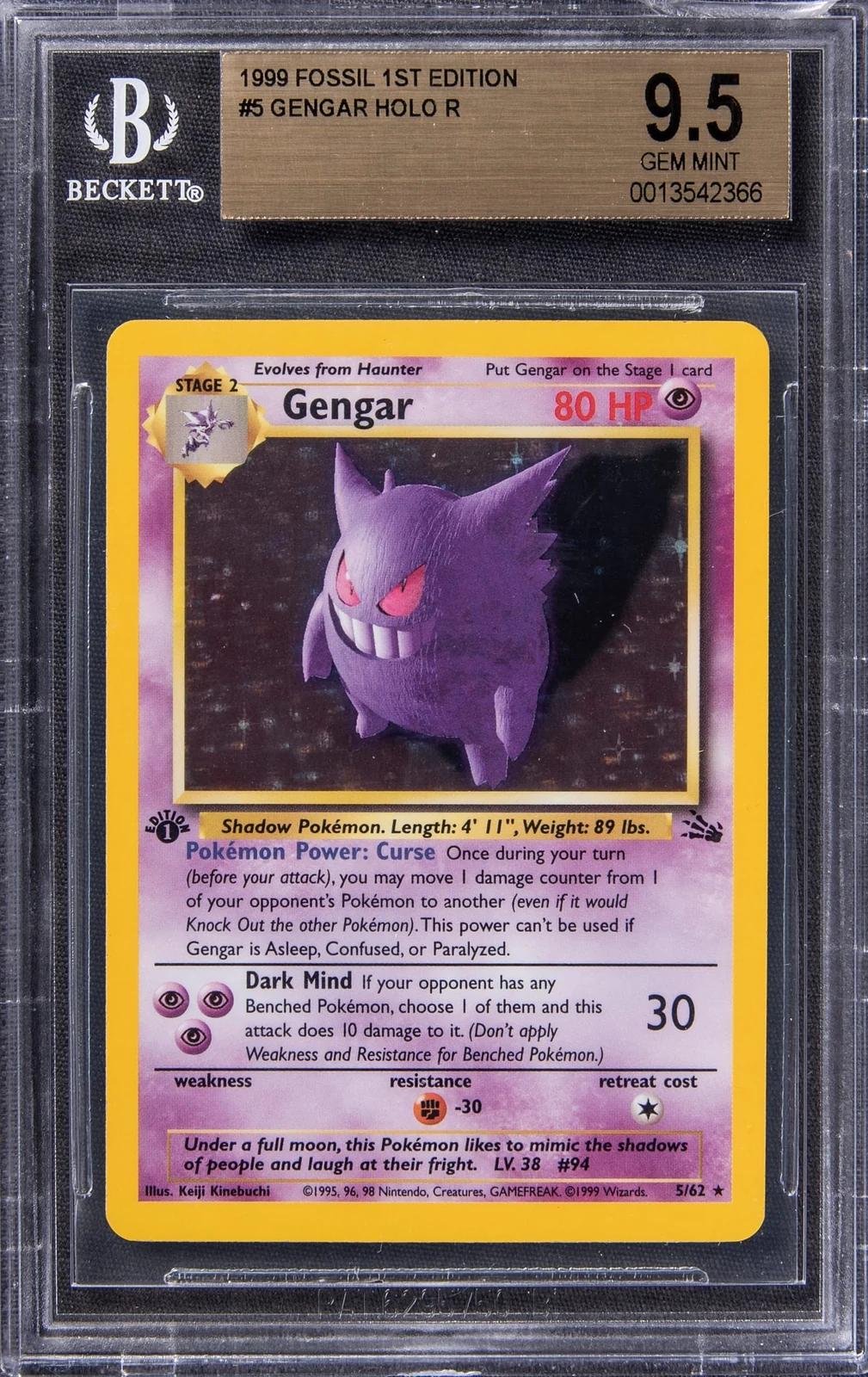
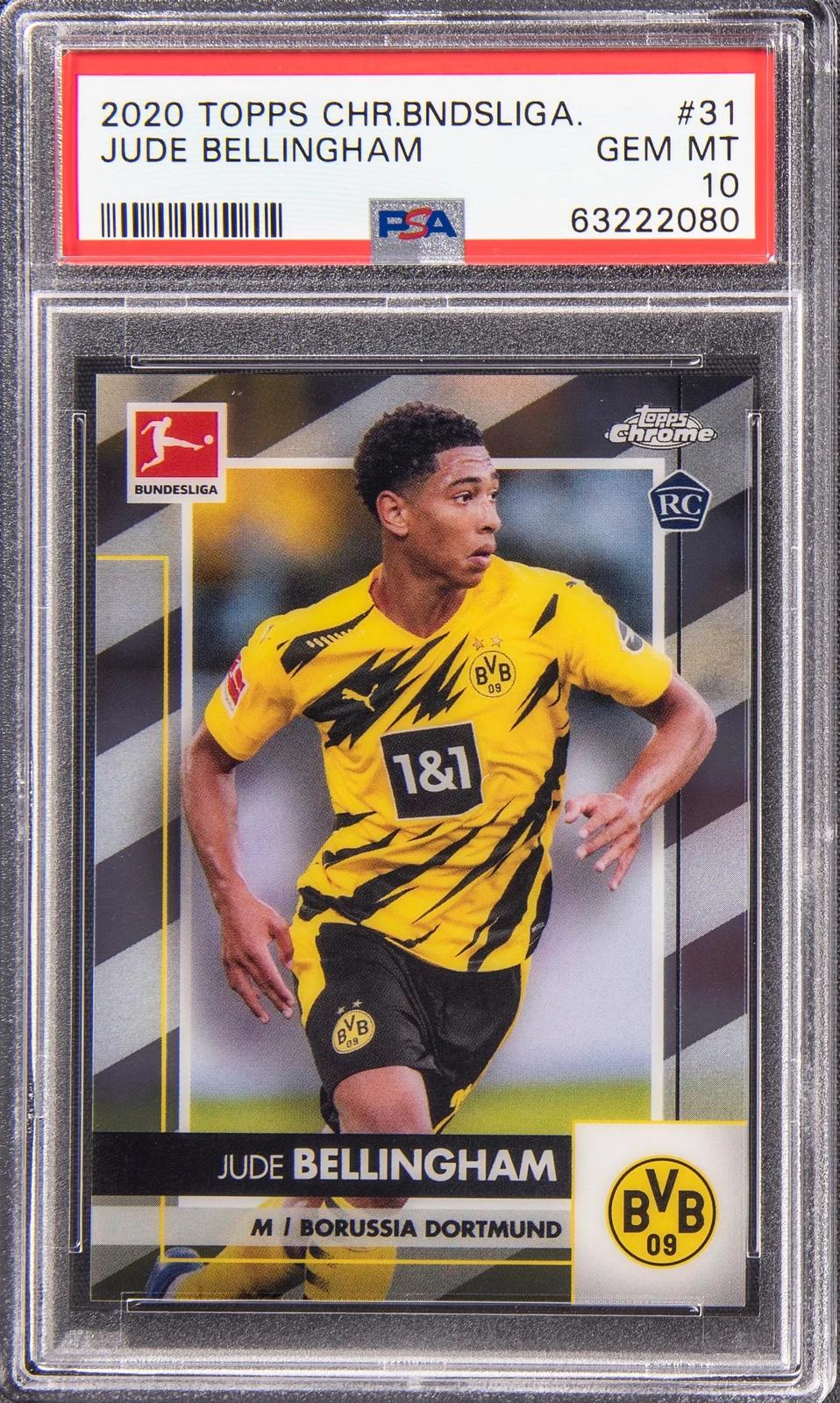
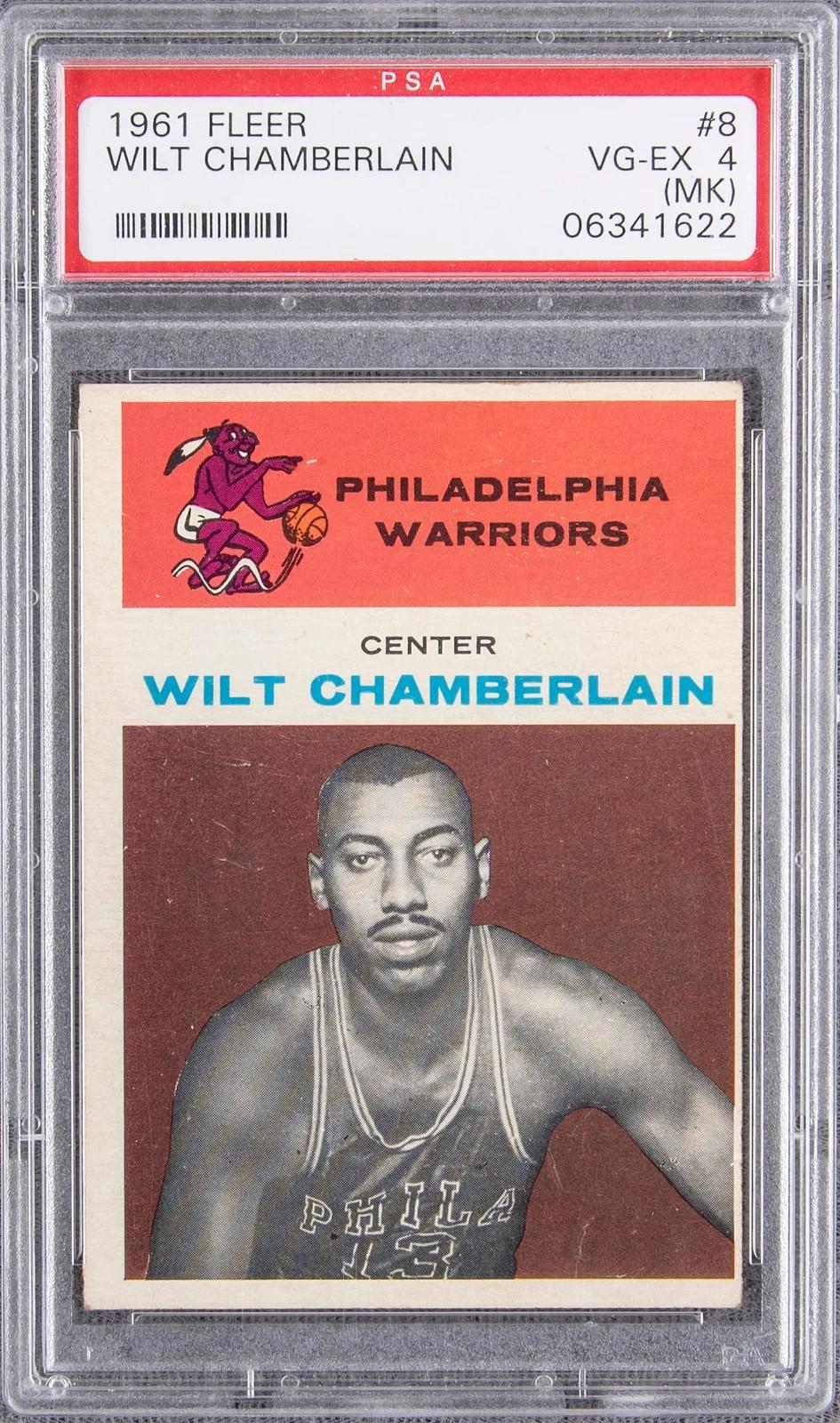
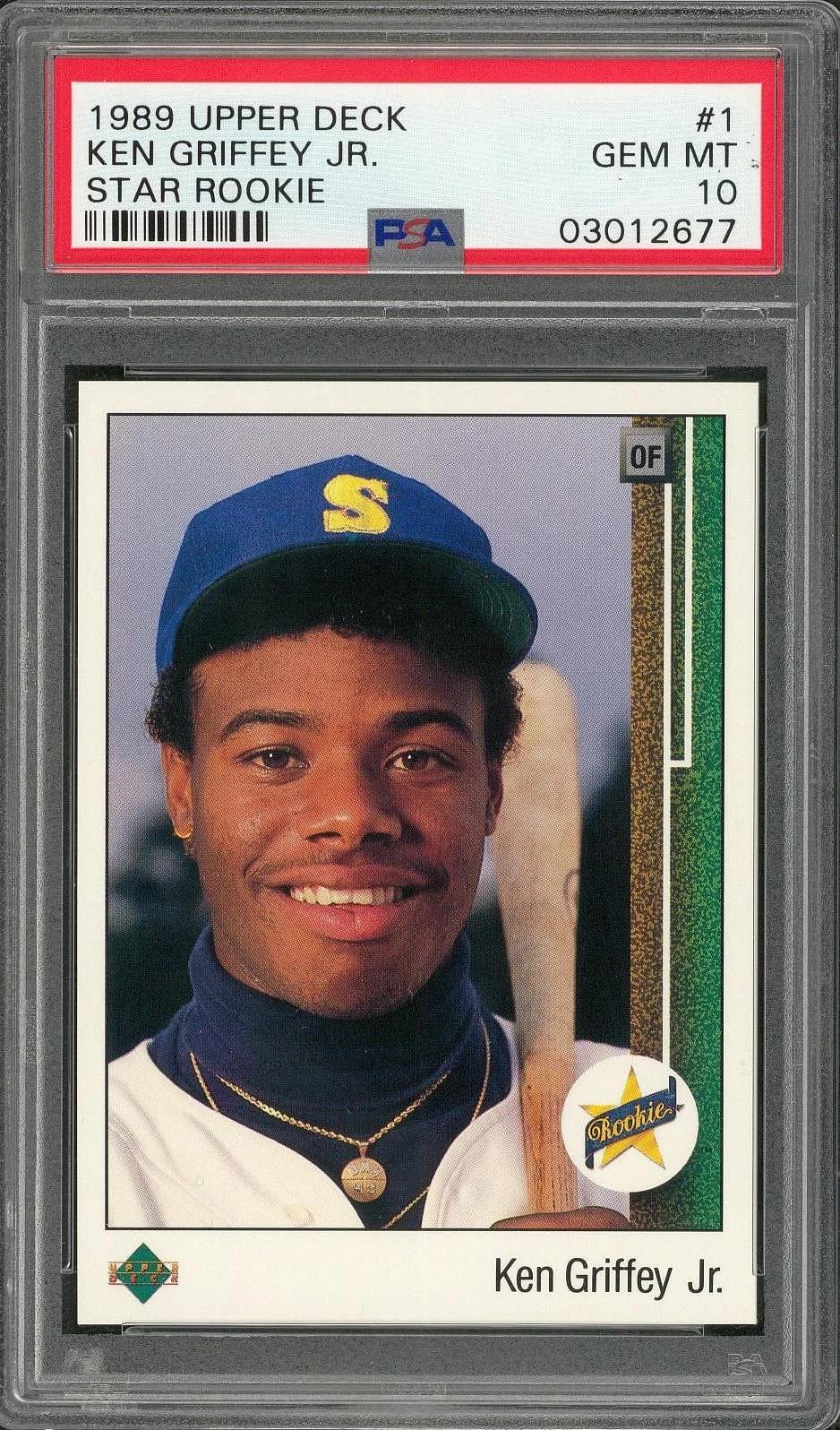
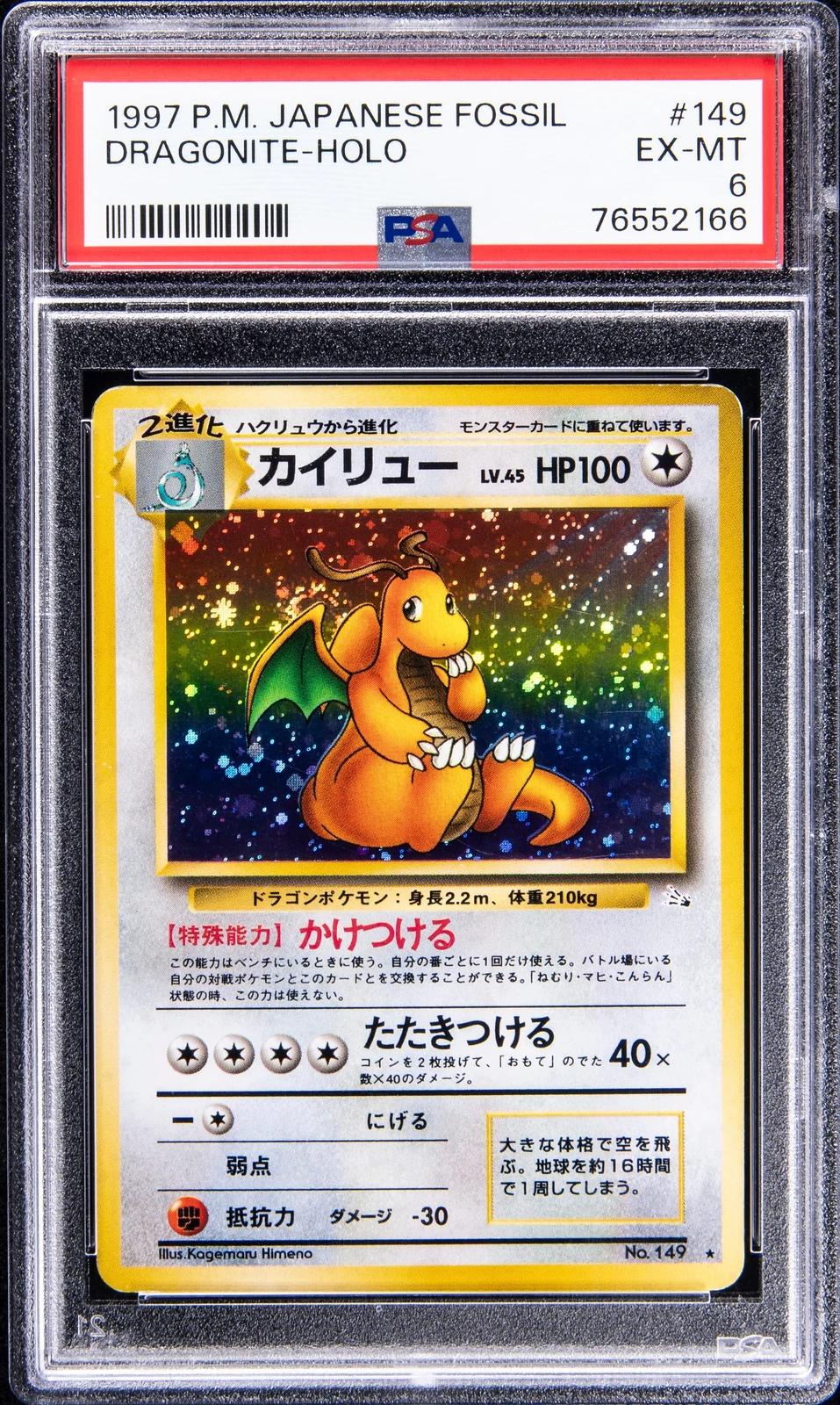
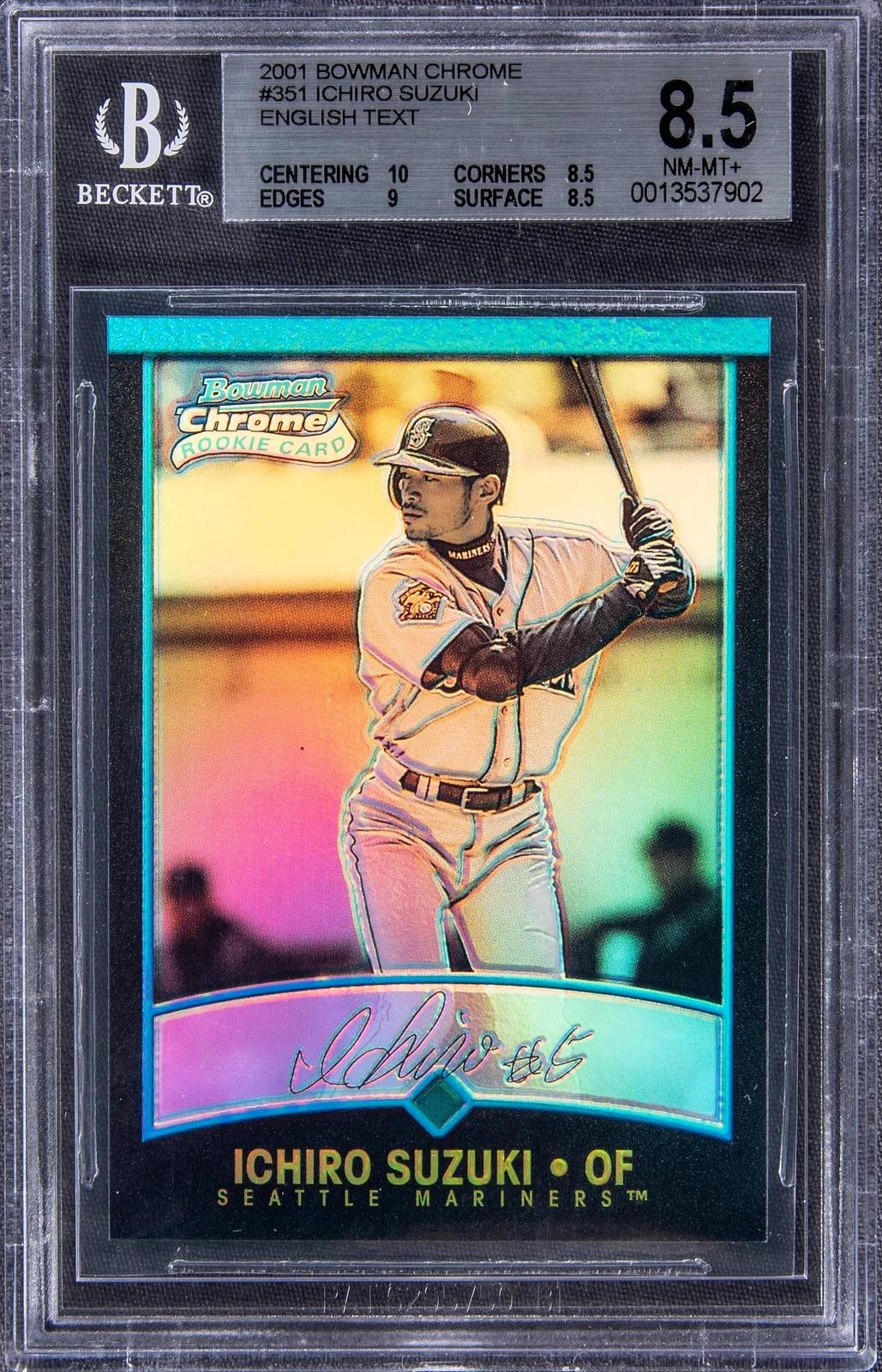
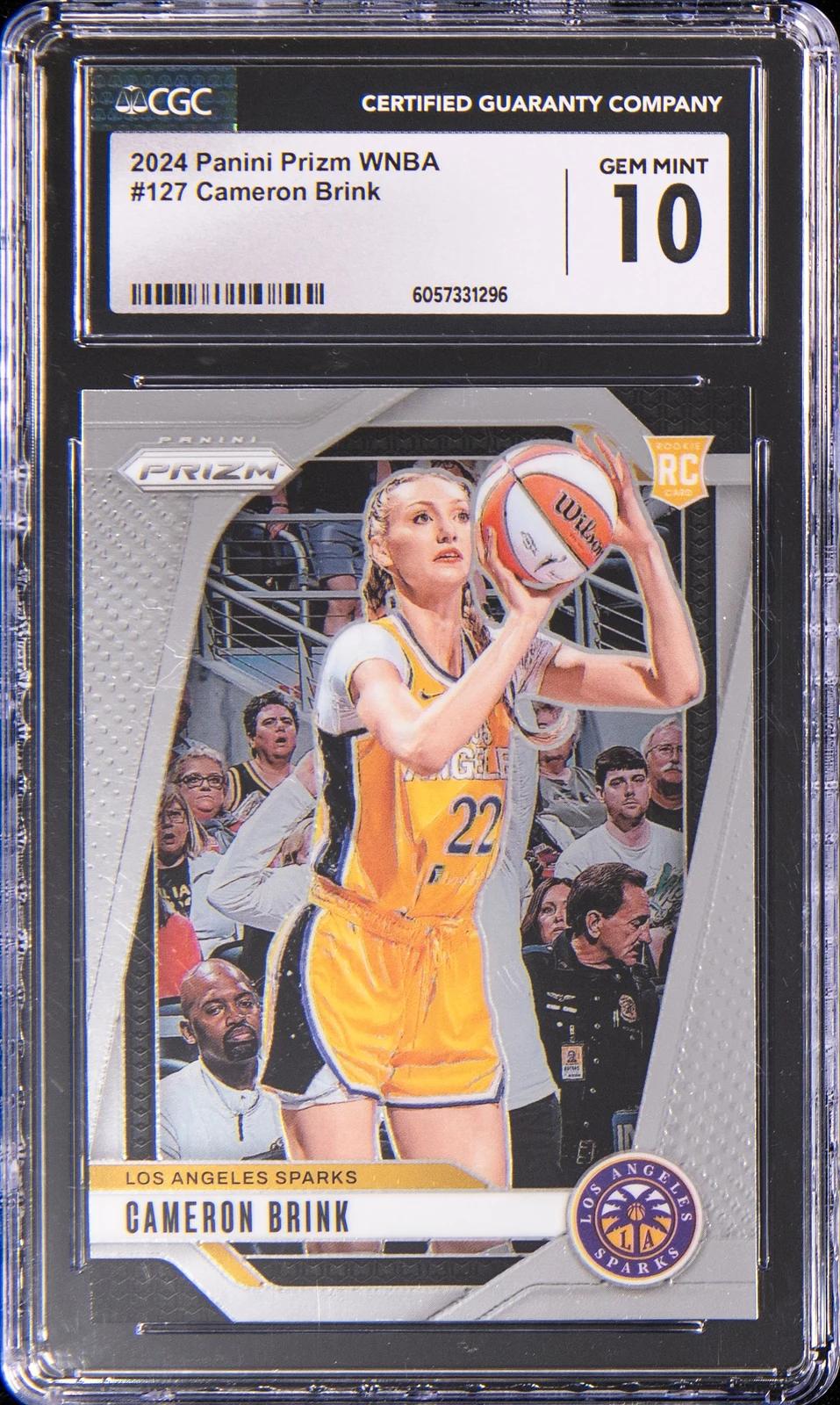
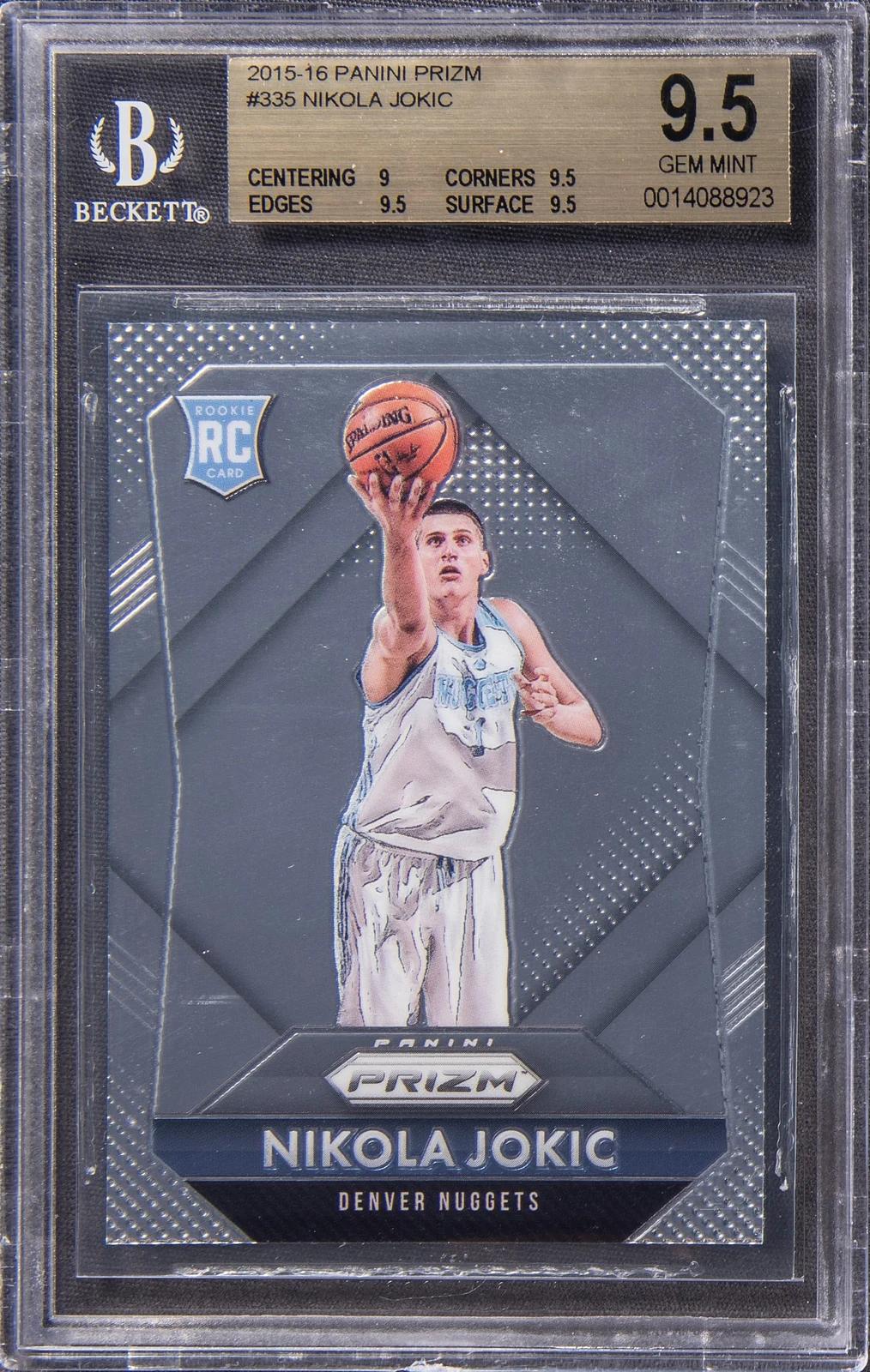
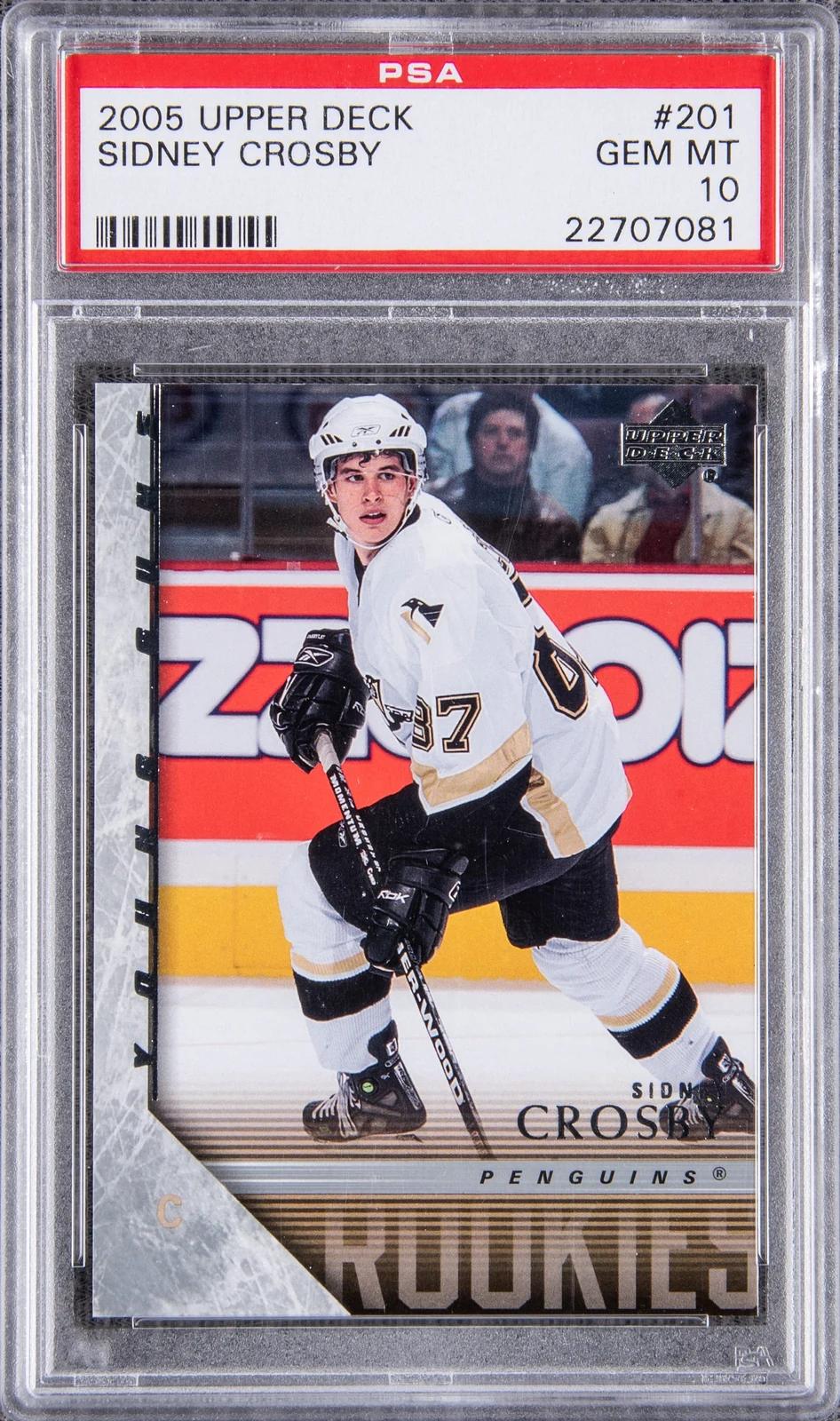
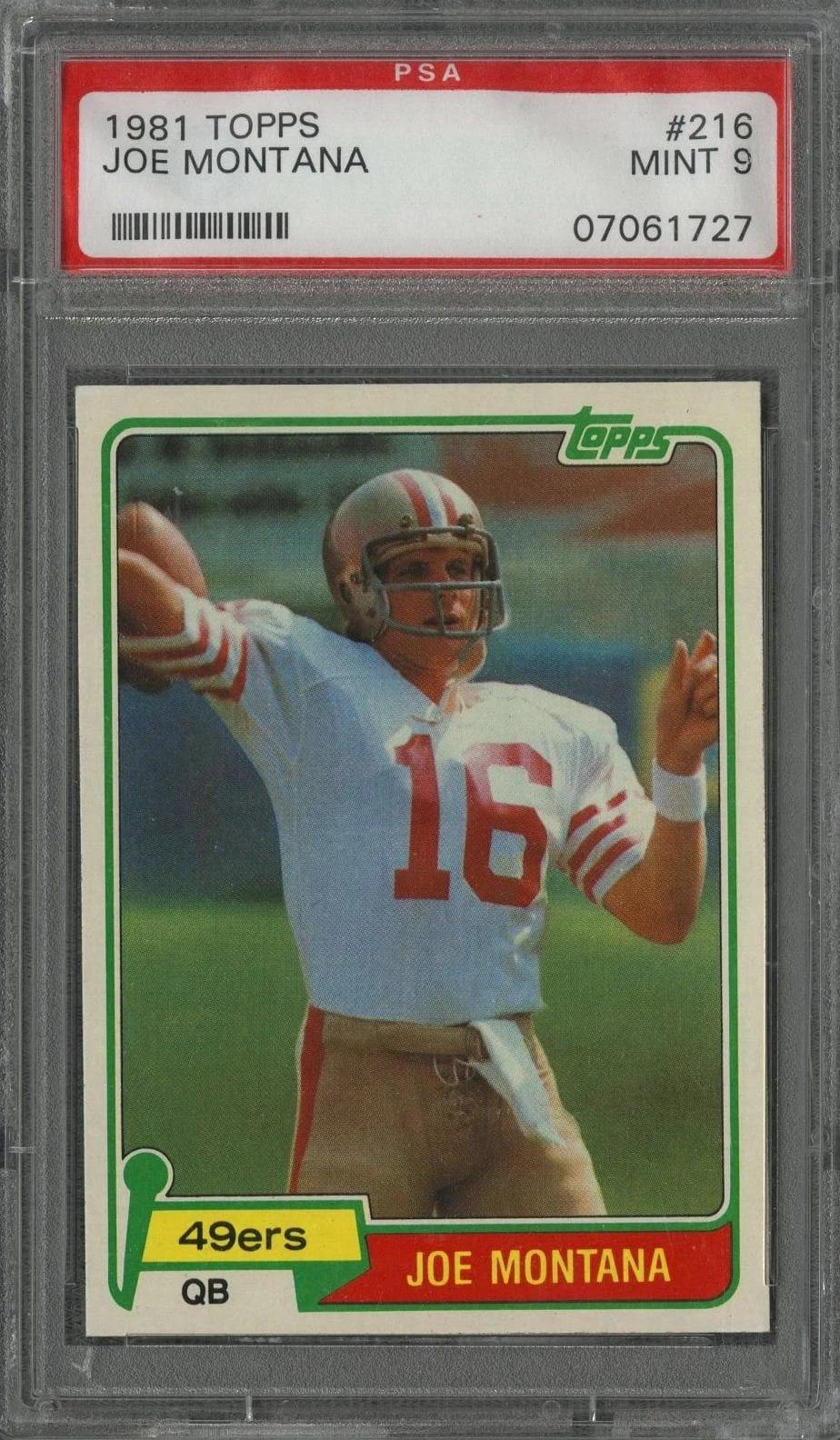

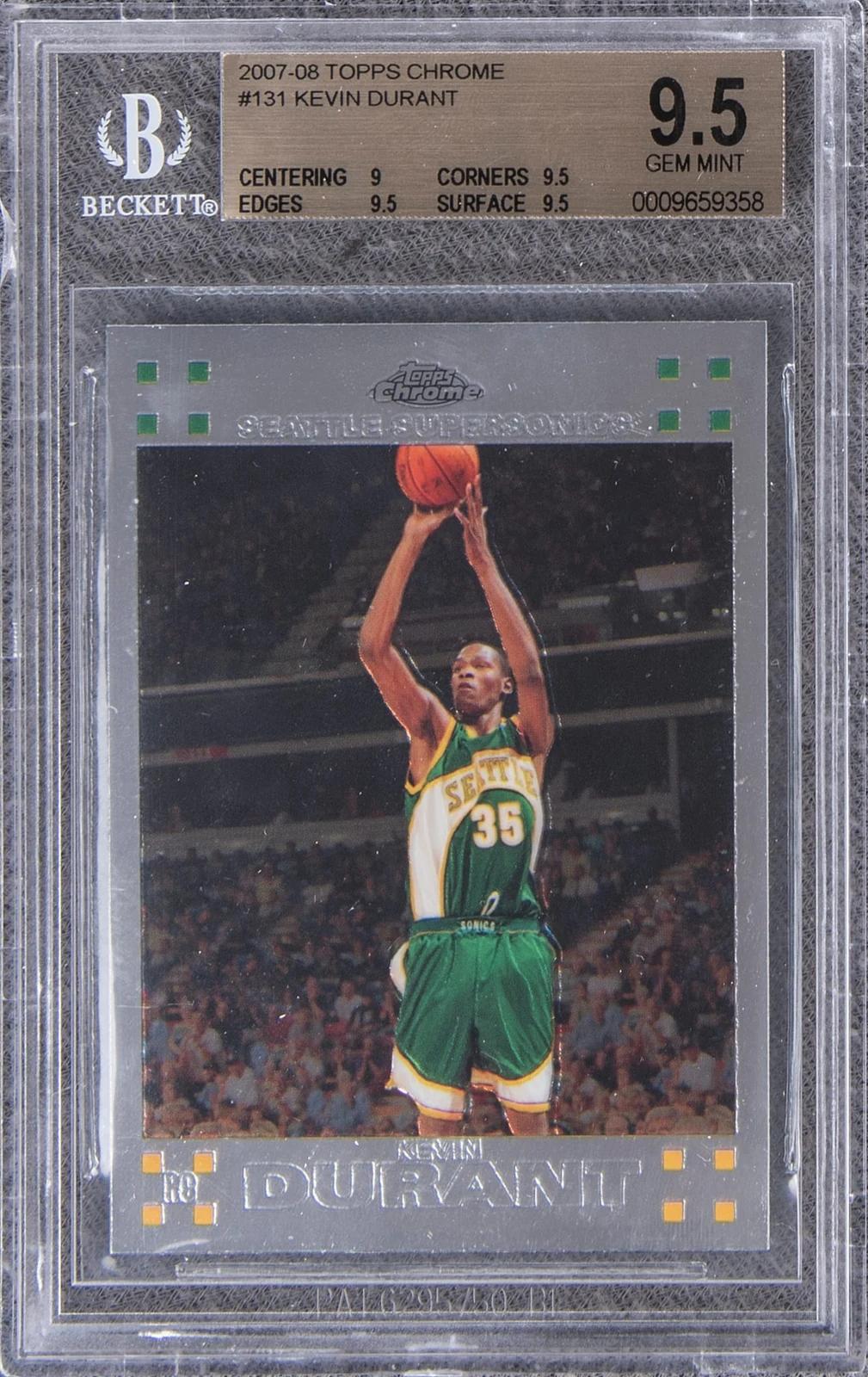
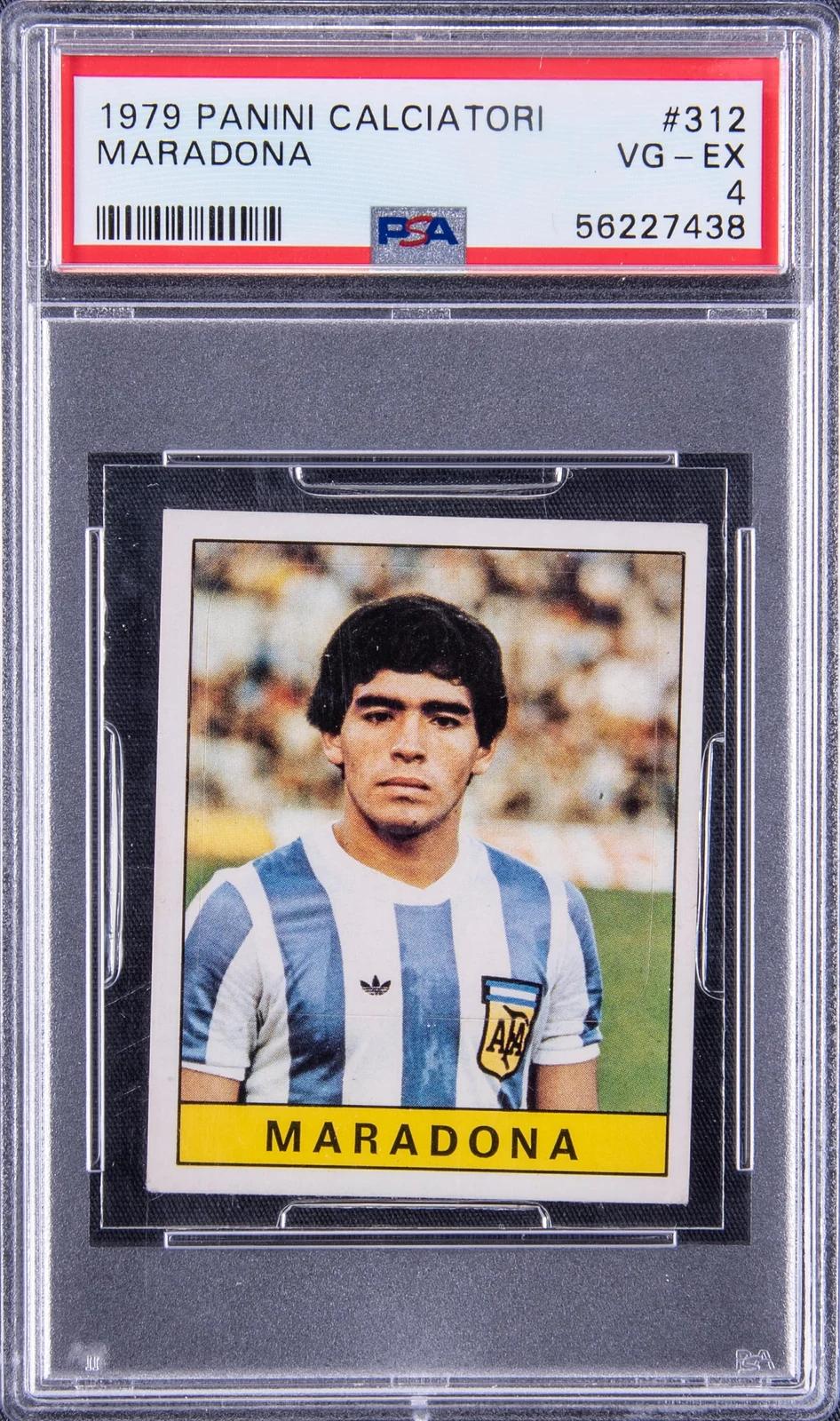
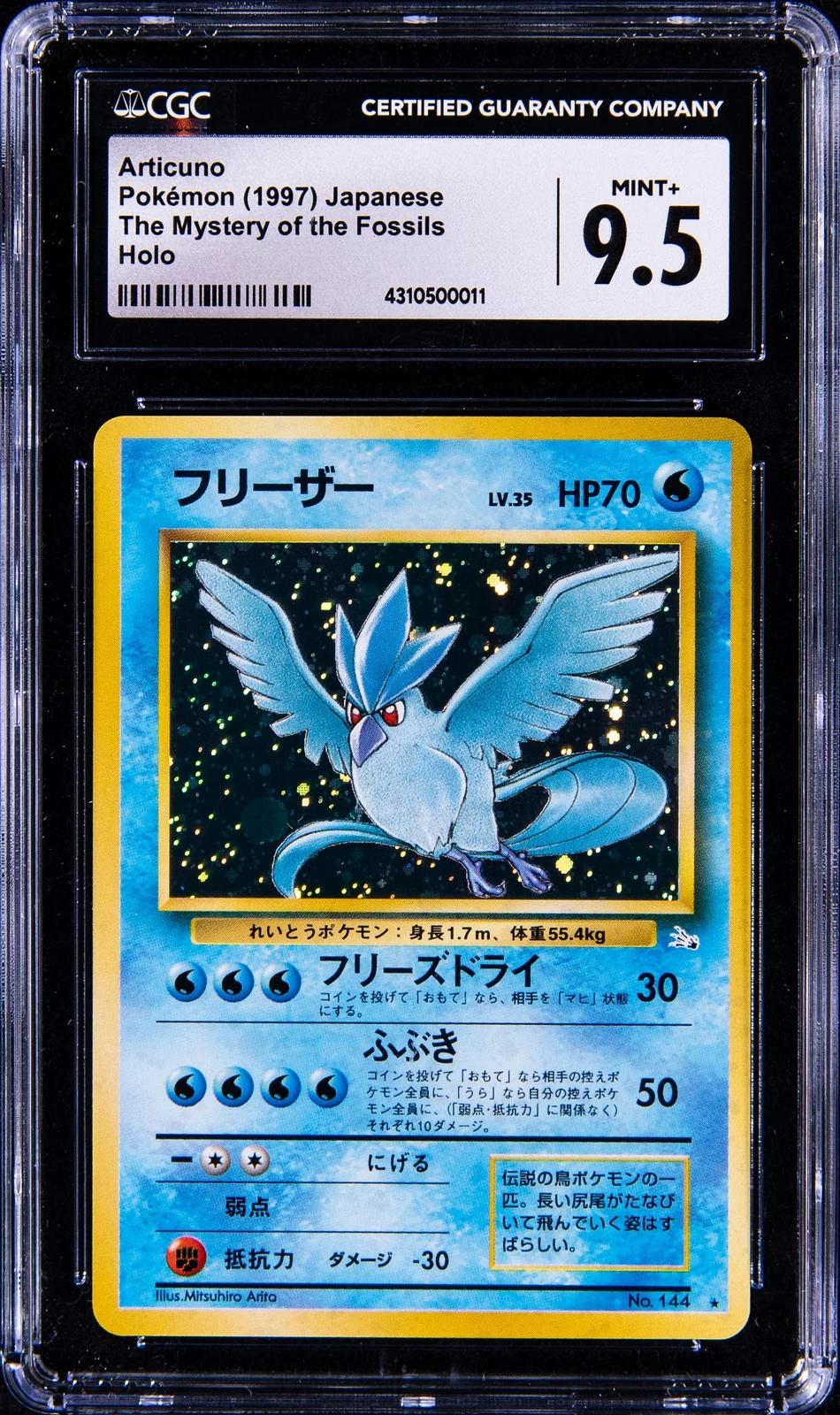

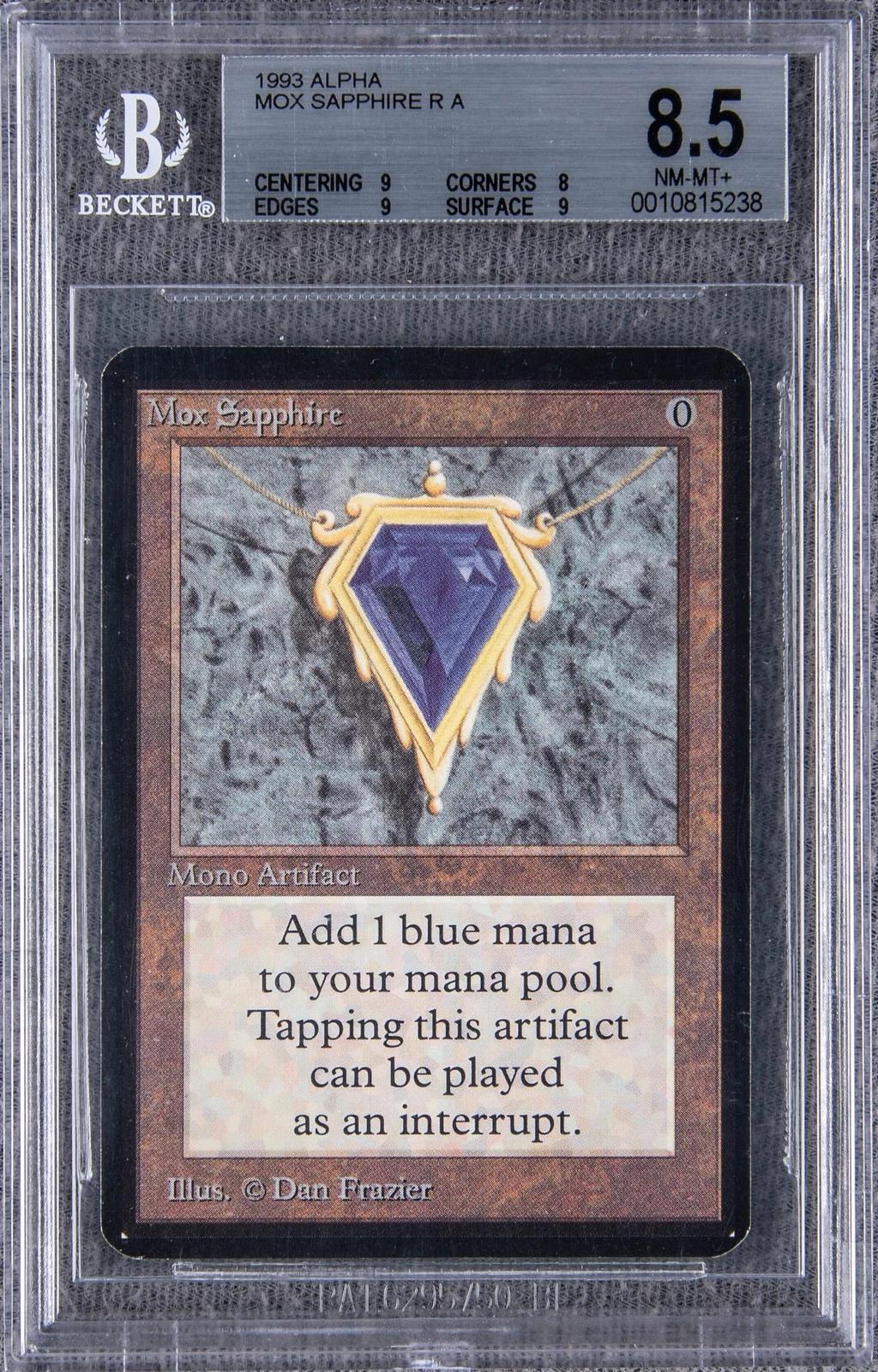
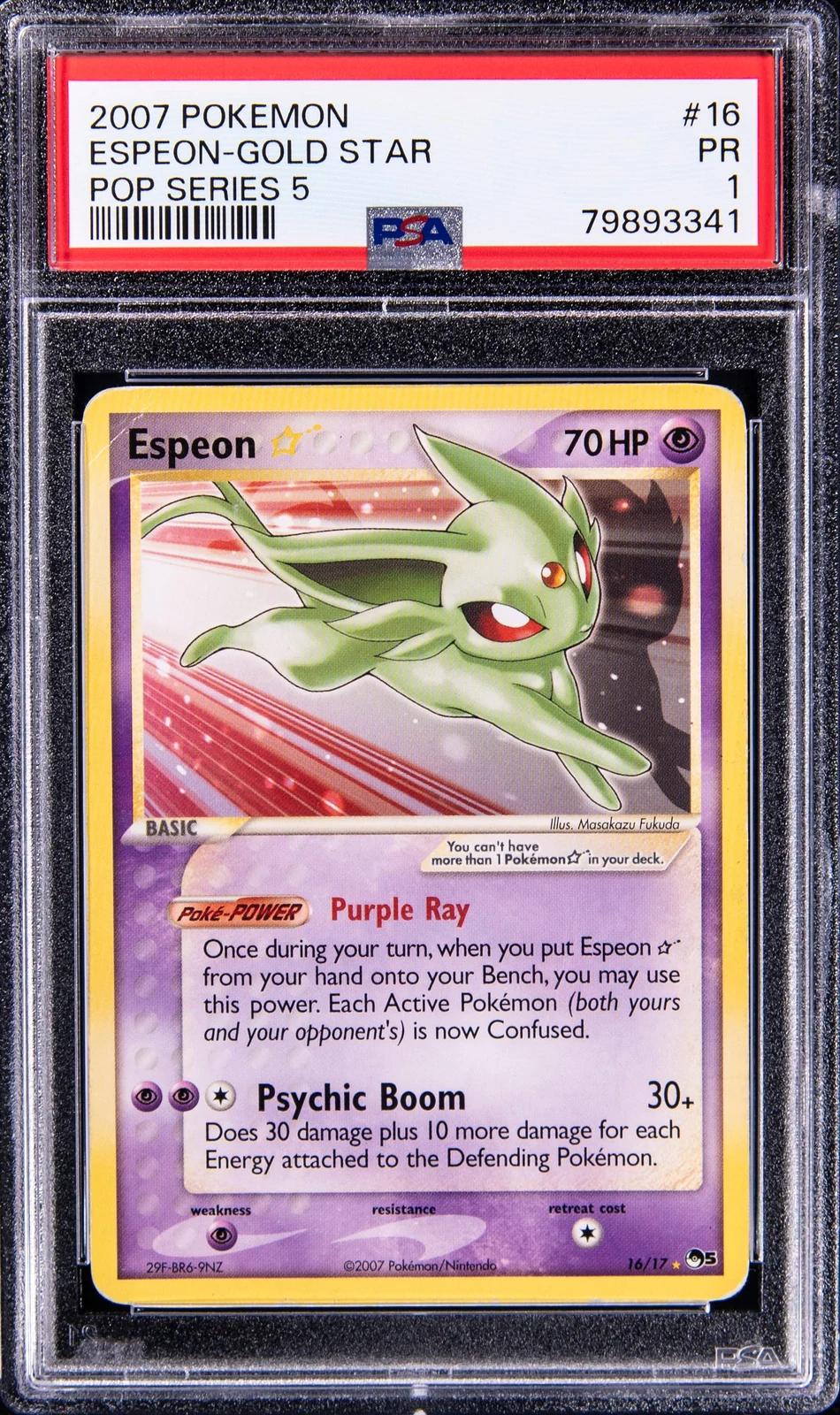
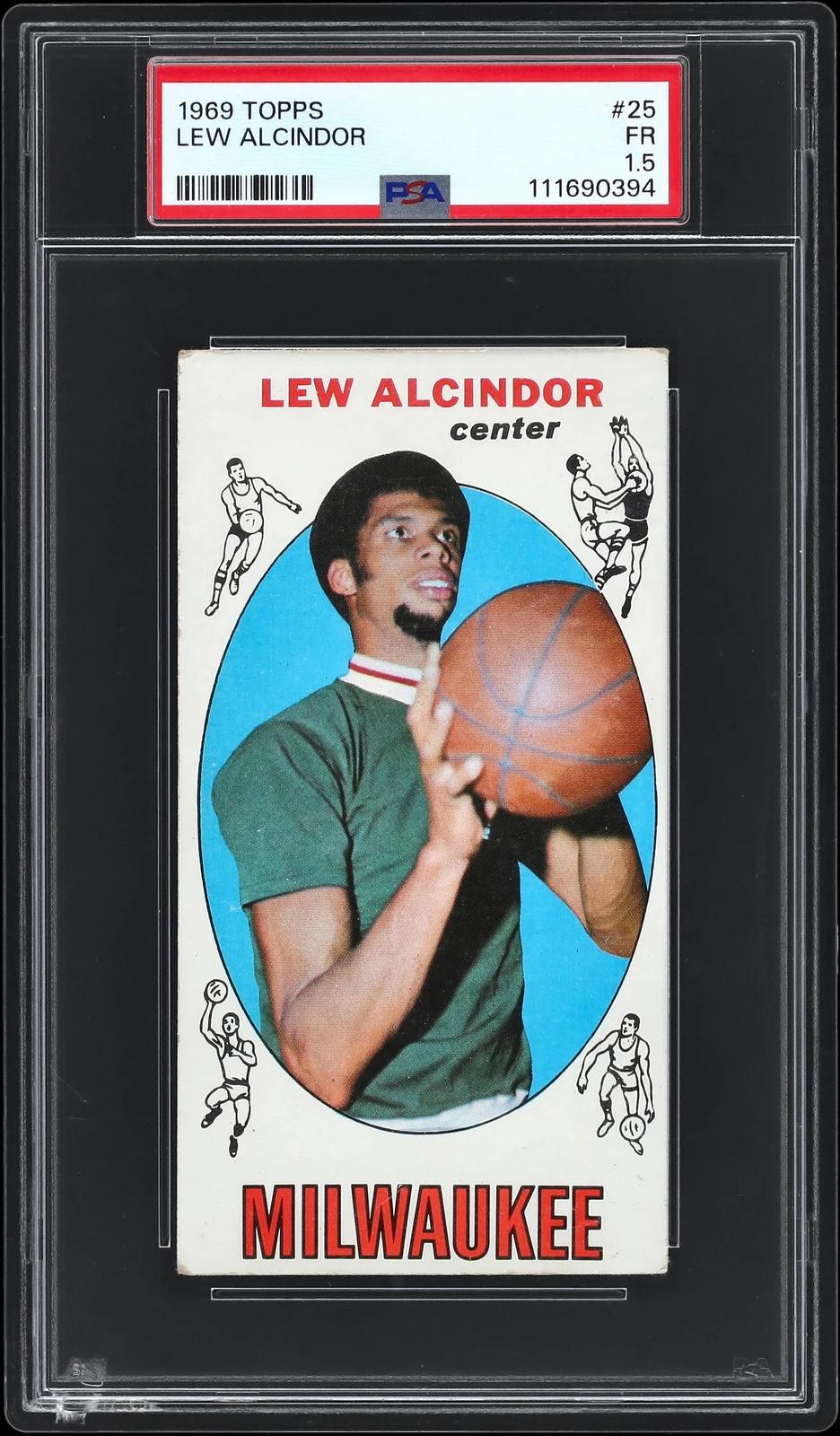
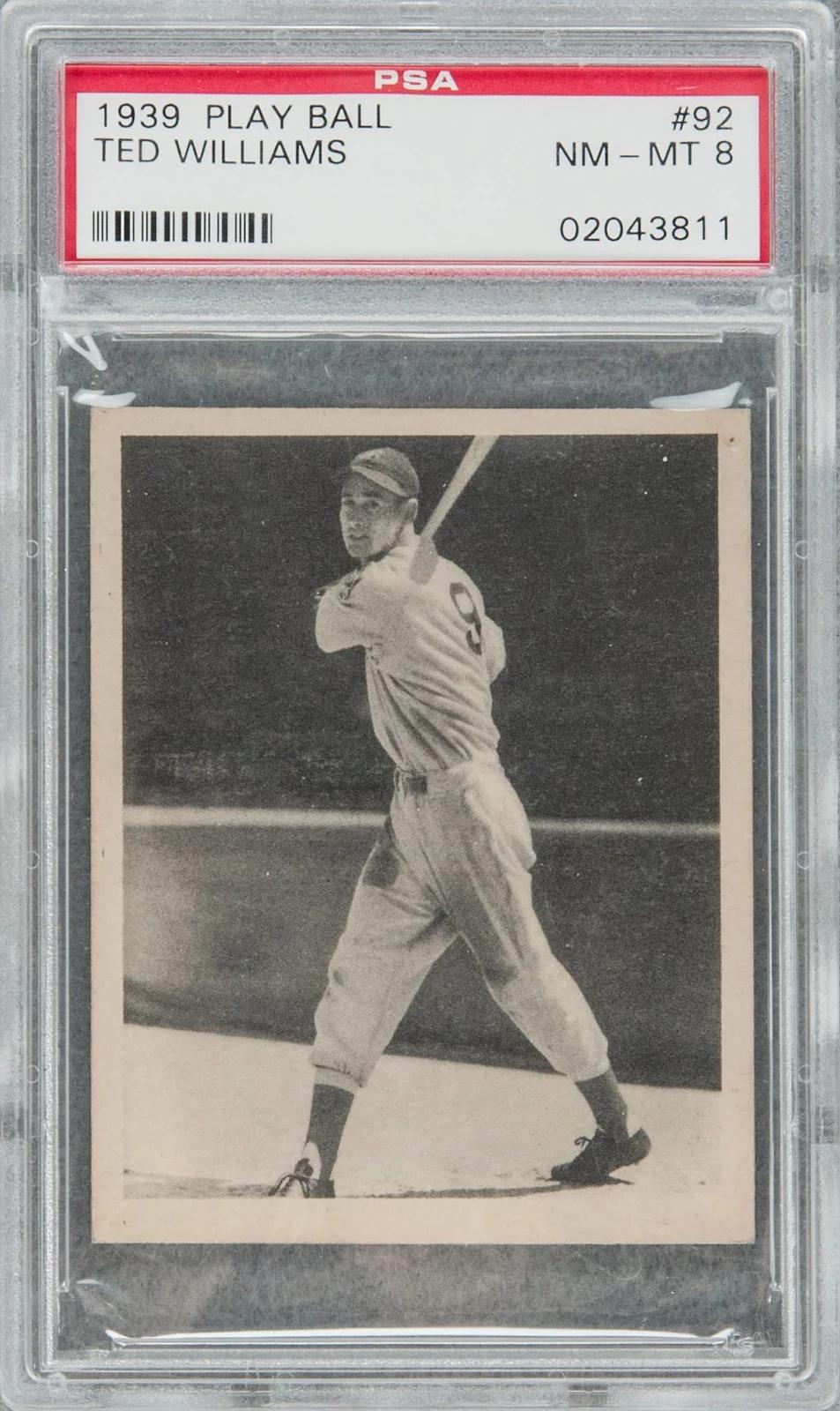
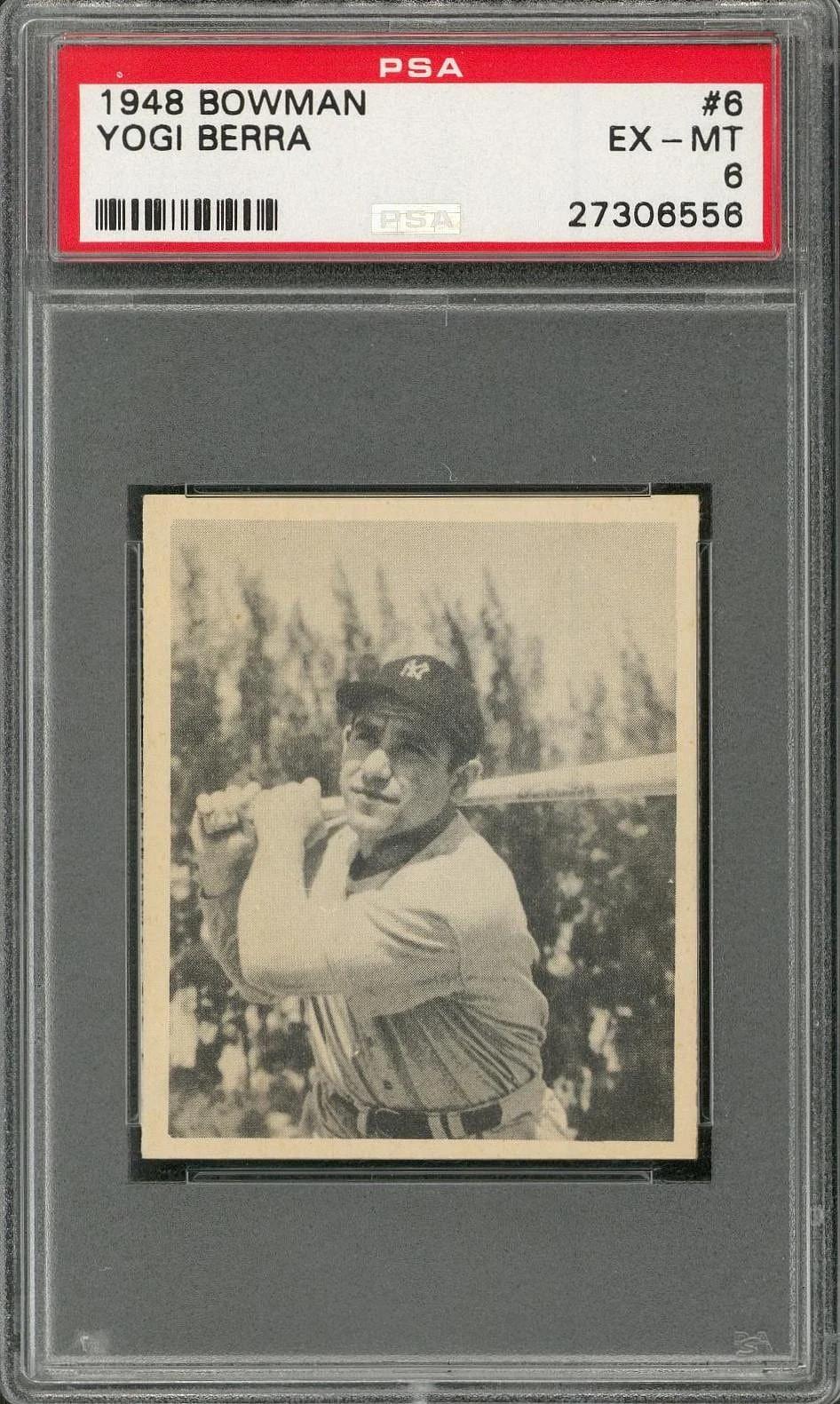
Seven dated sales in the last 90 days, fastest first. The one in the middle sets the median.
Same case, same shows, very different clocks.
12 days to sell
Tom Brady · 2000 Contenders Championship Ticket
212 days in stock
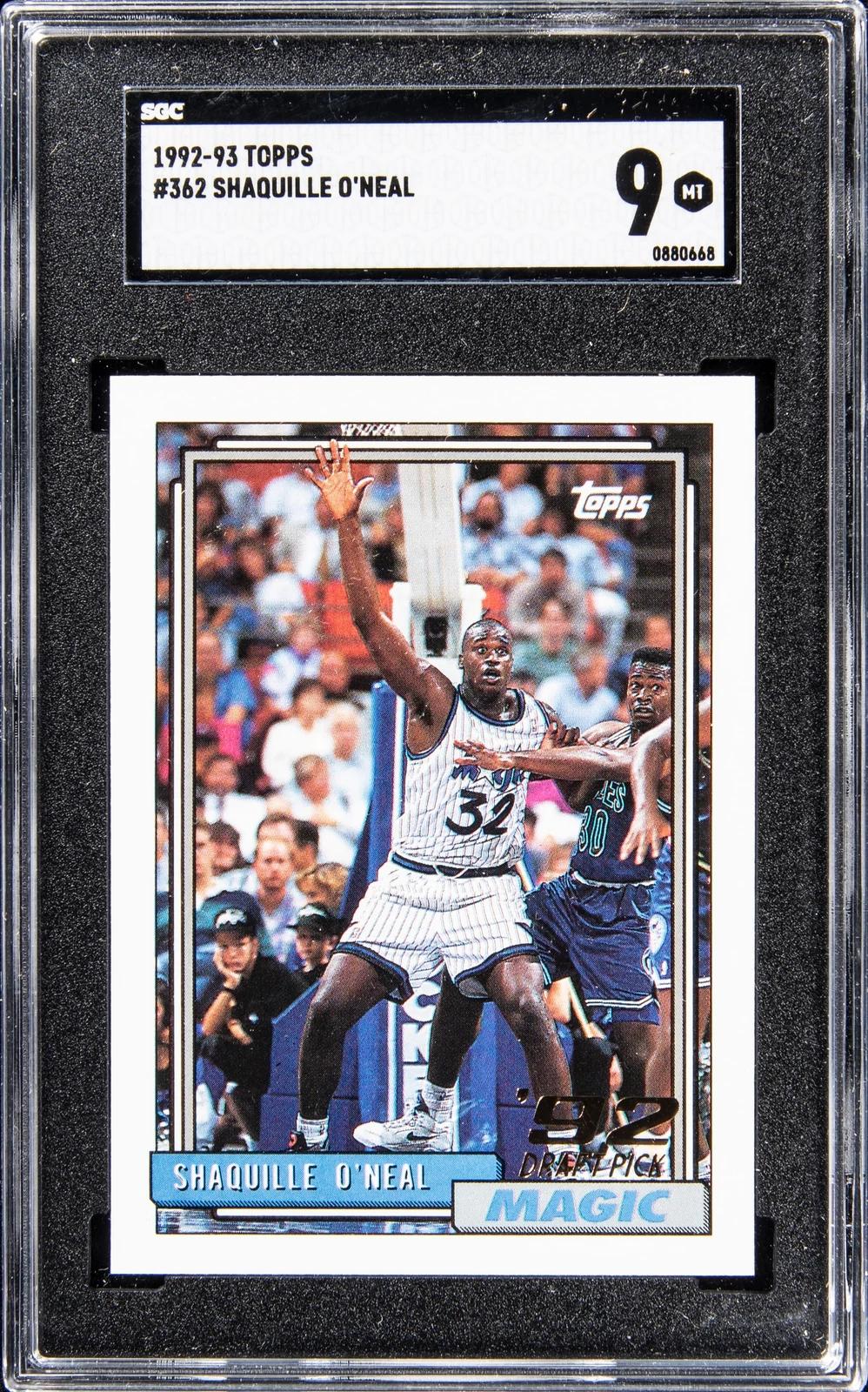
Shaquille O'Neal · 1992 Topps #362
Inventory velocity on the web: the cards you hold today by how long they have been in stock, and the oldest ones first.
Price check: the old stock that is priced above the market, each card beside its last sale. Nothing changes until you swipe.

Inventory velocity
Find stock that deserves a review, inspect its history and asking price and prepare a next move. The wider movement workspace also compares stock received and sold, sell-through and recorded cost. An older item can still be one you intend to hold.
Stock age describes the items you still hold today. Days to sell describes completed sales in the selected period. Changing a sold-record period does not move the start date or remove older active stock.
The value stays unknown. An undated sale still counts as sold but does not enter average or median days to sell. Missing cost is shown as a coverage gap; it is not treated as zero. Stock counts refer to records, not the number of copies in a lot.
Mobile provides a compact sales view with date ranges, recent movement and cost coverage. Use Web for the fuller stock-age and inventory-flow analysis. A mobile sale-recency group is different from an acquisition-age group.
No. Use the record and market evidence to choose a price review, a show selection or a deliberate hold. Recorded movement does not predict future demand or guarantee a sale.