Skip to content
CaseLink

Dealer guide: How to buy a sports card collection

Sort the collection first, price the few cards that carry it from recent sold comps, and count the rest by the box. Then work back from what you can resell it for: allow for selling costs and decide how much of the proceeds to keep before you name a number.

Work the offer back from the sale

Suppose each slab resells on eBay US at its dated auction comp, in a separate order. Keep 25% of the proceeds after the example fee. The bulk sells locally for cash. Figures are rounded to whole dollars.

CardCompeBay feeLeft after feesSample offer
Ken Griffey Jr., 1989 Upper Deck #1, PSA 10$4,886 · Jul 12, 2026$648$4,238$3,179
Joe Montana, 1981 Topps, PSA 9$3,500 · Jun 7, 2026$464$3,036$2,277
Joe Burrow, 2020 Downtown, PSA 10$4,392 · Nov 30, 2025$582$3,810$2,857
800 raw base cards (sample)no comp eachLocal cash lot$80 at $0.10$60
Your offer$8,373

Before any number

Sort before you price

Most collections are carried by a handful of cards. Pull out the slabs, the raw cards that look worth grading, the sealed product and the rest. Price the first three groups card by card; count the rest.1

1

Lay the key cards out where the seller can see them. It shows you looked at every one.

Check every slab’s cert number at the grader before you price it. The lookup should show the same card and the same grade as the label. A slab that does not match is not a comp question any more.

Price a raw card from raw sales, not from slab sales. Whether it would grade well is a bet you make, not a value you pay for.2

2

If you plan to grade, budget for grading, shipping and the wait before setting your offer.

Price bulk at what you can really move it for, by the box or the lot. A common card has no comp worth looking up, and a thousand of them do not add up to a thousand comps.
One card, worked back

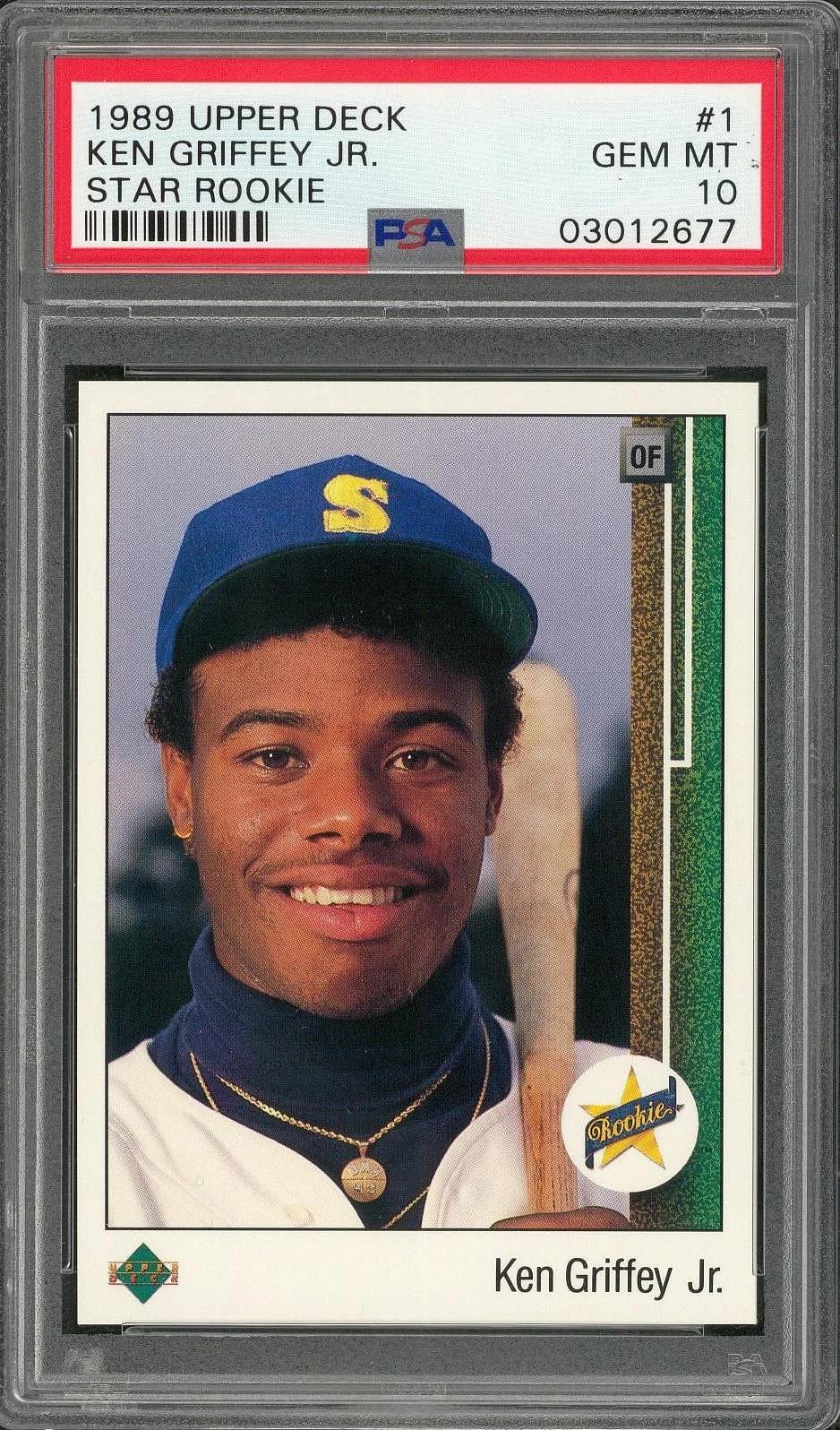
The July 2026 Griffey comp was $4,886. A resale at that price would leave about $4,238 after the example fee. Keep 25% of that, and $3,179 is the sample offer before other selling costs.

Ken Griffey Jr. 1989 Upper Deck #1, PSA 10 Gem Mint
  1. Dated auction comp$4,886 · Jul 12, 2026
  2. Left after eBay’s fee$4,238
  3. Sample offer$3,179 after a 25% reserve

Buy a collection in four steps

The same order every time, so nothing valuable hides in the bulk.

Buy and receive in CaseLink

  1. Sort and check

    Slabs, raw cards worth a look, sealed product and bulk, in piles. Every slab against the grader’s lookup.

  2. Price the key cards

    Compare dated sales of the same version and grade. Estimate the fees, postage and insurance for your resale channel.

  3. Count the rest

    Bulk by the box or the lot, at what you can really move it for.

  4. Offer and record

    Once both sides agree, record the purchase and allocate the amount paid across the cards. Check that those costs add up to the deal total.

At the table or the kitchen table

Make the offer

Show the math
Name the comps of the key cards and what comes off. A seller can argue with a number, not with a breakdown.
One number
Offer for the whole collection. Pricing card by card invites the seller to sell you only the best ones.
Know your walk-away
Deduct your expected postage, insurance, packing and promotion costs before setting a ceiling for the collection.
Split the cost
Once you agree, spread the price over the cards. That cost basis is what each card’s margin is later worked from.
Get it in writing
A list of what changed hands, the total and how it was paid, for you and for the seller.

Sources

Read on November 17, 2026. These pages can change at any time.

  • Selling fees US sports-card example on item price alone: 13.25% through $7,500 per item, 2.35% on the excess, plus $0.40 per order above $10 ($0.30 otherwise). Buyer-paid shipping and applicable sales tax can increase the fee base. Check the rate for your site, category and Store plan.
  • Certification verification PSA
  • Product research eBay help: three years of sold data

Know your ceiling before you sit down

Request dealer access